| Feature | Reported value or practice | Planning use |
|---|---|---|
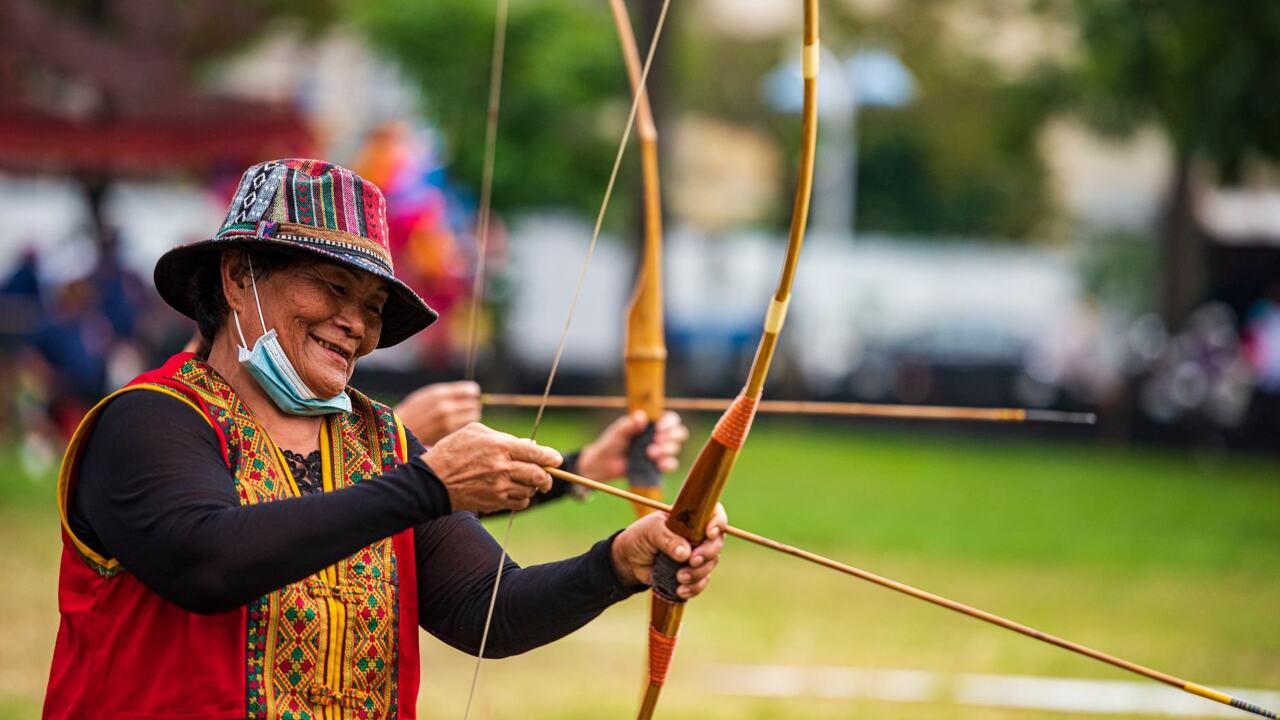
| Bow length | Just over 170 cm in a typical bow | A rough scale for judging bows in museum cases, workshops and demonstrations. |
| Draw weight | A pull of 70 to 80 pounds is typical | A typical figure, not a limit or a beginner setting. Individual bows differ, so ask before trying one. |
| Drawing grip | One thumb draws the string, not three fingers | Expect an unfamiliar technique if you have shot with a three-finger grip. |
| Materials | Ten different materials, all sourced within Mongolia | Treat a bow as a crafted, locally sourced object, not a generic sports item. |
| Contest formats | Standing contests at Naadam each summer; horseback contests open to international competitors | Plan any spectating around the summer festival. |
Figures above come from the Goyo Travel archery overview and Bow International’s feature on Mongolian archery.
Mongolian archery centres on a composite bow drawn with the thumb rather than three fingers. The same bow and grip link medieval mounted warfare to today’s Naadam contests, where standing and horseback archers compete.
The bow is one strand of mongolian nomadic culture, and this guide stays with the weapon itself: what it is made of, how it is drawn and where it is used today.
Why the bow’s build matters
The traditional Mongolian composite bow is handmade from ten different materials, all sourced within Mongolia, according to Goyo Travel. The listed materials are birch wood, leather, horn, birch bark, fish glue, bamboo, deer antlers, natural silk threads and animal tendons. A bow built up from this many materials is a different object from a bow cut from a single stave, and that shapes how you should look at one.
- Judging a bow in a museum or workshop. Bow International describes the outside of the bow as animal sinew held together with fish glue and covered with tree bark to protect against water. The bark you see is therefore a weather cover, and the sinew and glue beneath it are what to ask about.
- Reading the sinew and horn. Sinew and horn are the materials that mark the bow as composite. Ask a maker or guide which animals supplied them, because the answer ties the bow to local herds and wildlife.
- Reading the reported pull. A typical bow is just over 170 cm long and may have a pull of 70 to 80 pounds. That is one operator’s description of a typical bow, so use it as a rough benchmark, not as a specification for any particular bow.
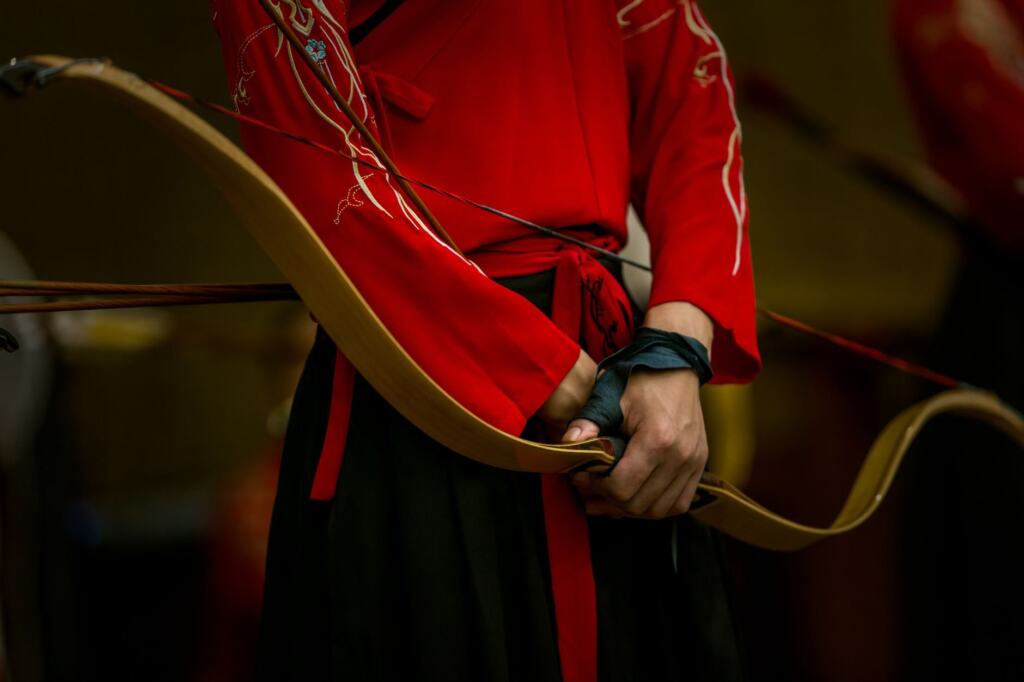
What sets this bow apart from other bows is the combination of that layered, locally sourced construction with the thumb grip covered next.
Thumb draw and the thumb ring
The Mongol grip draws the string with one thumb only, rather than with three fingers, as Goyo Travel explains. Explorer Company describes the technique as a thumb draw using a thumb ring. The ring is part of the technique, not an accessory added for show.
This is the clearest practical difference from the three-finger style many archers learn first. Anyone who has shot that way should expect to relearn the draw instead of adapting the old one. If you want to try a Mongolian-style draw, ask an instructor to teach the grip from the start.
- For spectators. Watch the drawing hand. A single thumb hooked on the string is the visible sign of the Mongolian grip, and three fingers on the string mean a different tradition.
- For collectors and museum visitors. A thumb ring is the part of the equipment that goes with this grip. Treat it as part of a bow set, not as jewellery.
- For learners. Do not combine a borrowed thumb ring with a three-finger habit. Learn the whole draw together.
Archery at Naadam
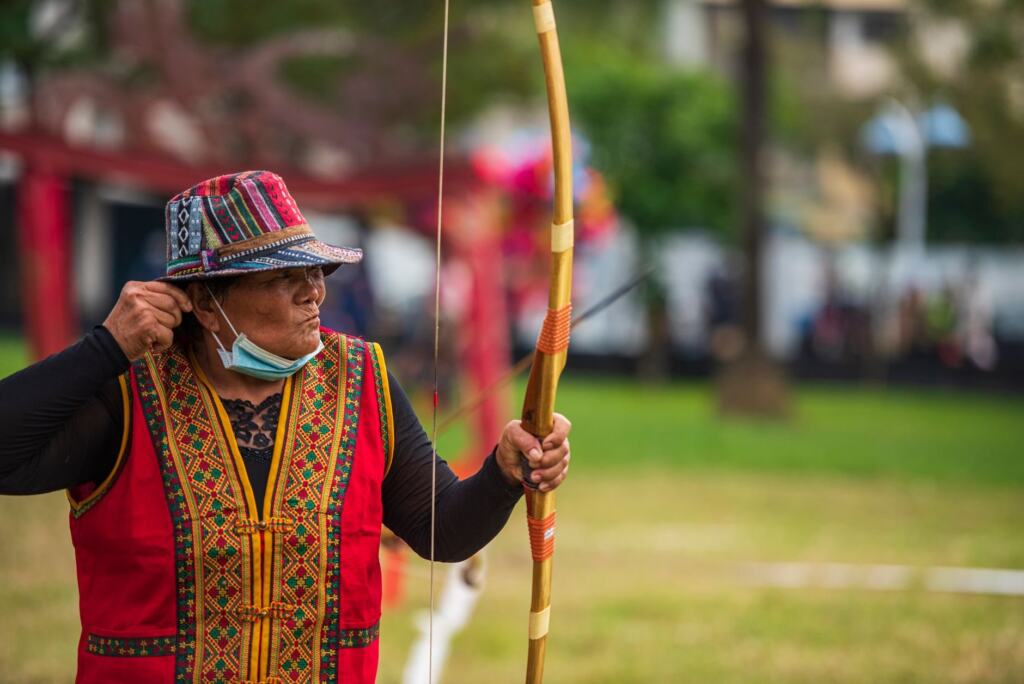
Archery is one of the three traditional sports of the annual Naadam Festival, per Goyo Travel. Bow International calls them the “three games of men”: archery, wrestling and horse racing. For the wrestling side of the festival, see mongolian wrestling bokh.
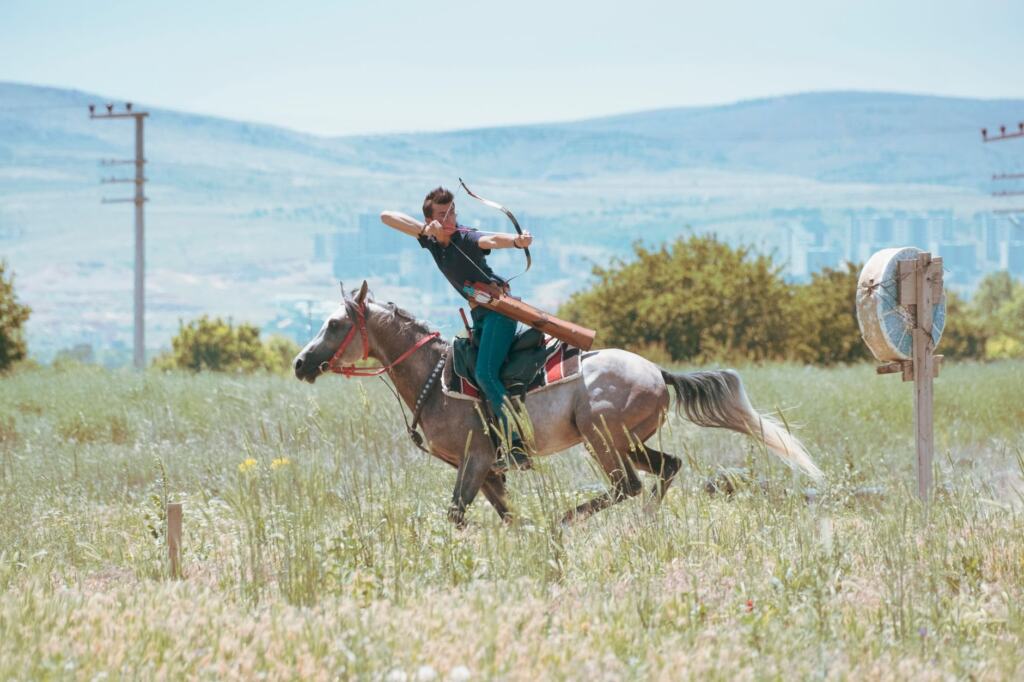
Standing competitions are held during Naadam each summer, and horseback competitions also exist. Dress differs by format. Standing archers wear ceremonial deels, the traditional Mongol robes, while horseback archers wear a looser costume. The arrows loosed at surs targets are made of birch and measure between 80 and 100 cm.
Detailed scoring and distance rules vary by event, so confirm them with the organisers before relying on any figure. Spectators can enjoy the contest without knowing the scoring, because the dress, the grip and the draw are all visible from the stands.
How medieval Mongol archers used the bow
In the 13th century, the Mongolian bow was one of the most advanced weapons on the battlefield, according to Bow International. In the era of the Mongol Empire, the bow and the horse worked as a single system, which is why horseback archery matters more to this history than standing archery does.
Two details show how the bow was used. Goyo Travel notes that a rider timed the release of the arrow to the moment when the horse’s hooves were all off the ground. Explorer Company adds that Mongol warriors could shoot in all directions, including the famous Parthian shot, a shot back at pursuers while retreating.
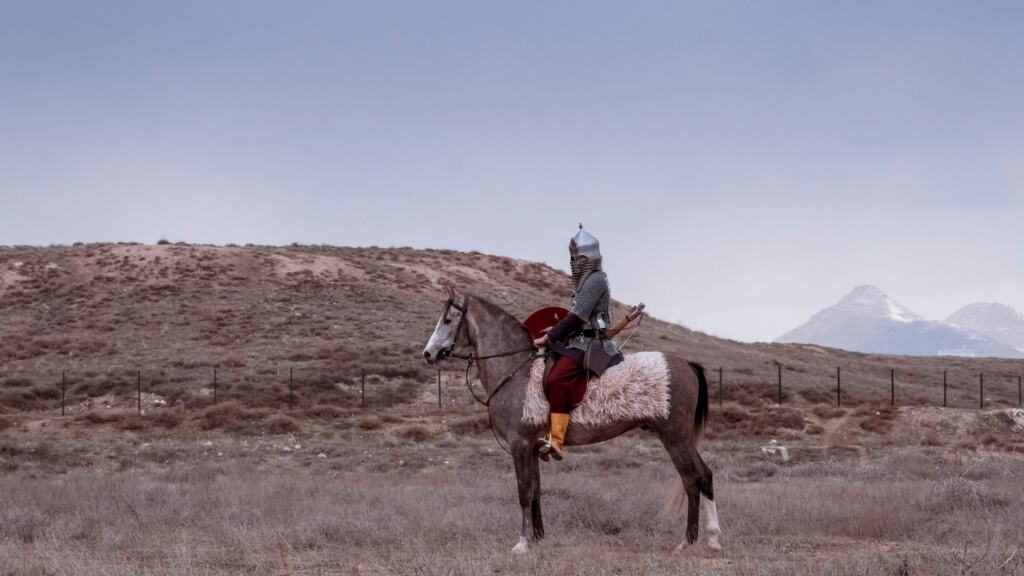
Today’s horseback contests are the nearest modern counterpart to this skill. They reward timing and balance in the saddle as much as raw strength on the string, which is why they differ so much from the standing format.
Watching or trying archery in Mongolia
Spectating is the dependable way to see Mongolian archery. Standing competitions run at Naadam each summer, so a summer trip is the practical choice. Bow International also reports that horseback competitions are open to international competitors.
Trying a bow is a different matter. Ask any organiser or guide who offers it about instruction on the thumb draw and about the weight of the bow you would be handed. Do not assume a visitor can pick up a full-weight bow at a festival and shoot it.
Archery is one part of a broader trip, and food and drink are another. For the dairy side of nomadic life, read what is airag.
Frequently asked questions
Did Mongol children train with the bow?
By age five, children began shooting arrows from horseback and hunting small game, according to Goyo Travel.
Could Mongol archers shoot in directions other than forward?
Yes. Explorer Company says Mongol warriors could shoot in all directions, including backward during a retreat.
How long did composite bows stay a feared weapon?
Composite bows were among the most feared weapons on earth until the 14th century invention of effective firearms, according to Managing Composites.
Which animals supplied the sinew?
Sinew was traditionally taken from the tendons of wild animals such as deer, moose and mountain sheep. Domestic animals such as horses were also used, as Goyo Travel notes.