A visitor sees a small, stocky horse and assumes it is just a pony. Mongolian horse culture treats it as a working partner for transport, food, drink, wealth and racing. Trekking in the Gobi is possible, but camels suit it better.
Horses are one thread of wider mongolian nomadic culture. The sections below take the most common misunderstandings in turn: what the breed is, what the animals are for, why children race and where visitors can ride.
The Mongolian horse is not just a small pony
The Mongolian horse stands between 12hh and 14hh and is stocky with short legs, according to In the Saddle’s breed profile. Size misleads here. The same profile says the breed is hardy enough to survive temperatures ranging from 30°C in summer to -40°C in winter. A rider used to taller, finer horses should judge this one by what it does, not by how it looks.
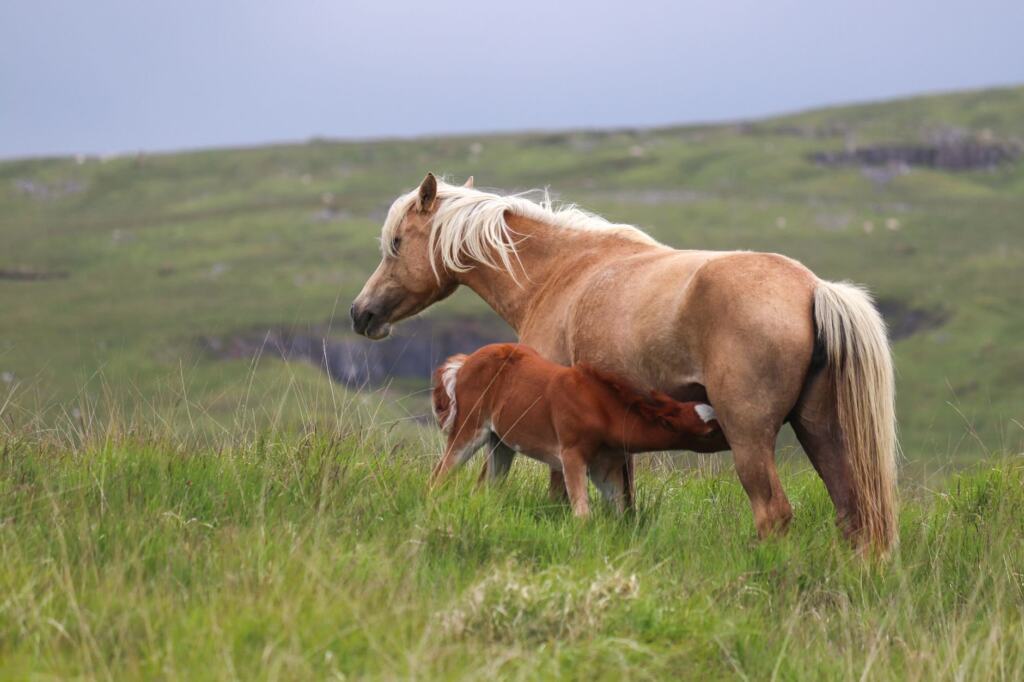
Strength is another surprise. A horse from the Darkhad area of northern Mongolia may weigh only around 250kg, yet it can carry loads of up to 300kg. In Mongolian culture the most desirable horses are those with large heads and barrels, and thick coats and manes. These are practical preferences for animals that live outdoors all year.
Hoof care is also unlike most Western riding. In the Saddle describes the horses as low maintenance, needing no shoes or hoof trimming. Equitours adds that Mongolian horses are usually unshod except in very rocky areas of the country. Shoeing is therefore the exception, not the default.
| Common assumption | What the evidence shows | Planning use |
|---|---|---|
| It is just a pony | Stands 12hh to 14hh, stocky with short legs, and survives 30°C summers to -40°C winters | Judge the breed by hardiness and load capacity, not height |
| It needs shoes and trimming | Low maintenance; no shoes or hoof trimming required in traditional care | Expect unshod horses on most routes |
| Horses are only for riding | They provide transportation, food and drink | Treat a horse as part of a household economy, not only a mount |
| The Gobi is horse country | The Gobi is more camel country, and riders are warned not to go alone | Choose a guided route and check the terrain before booking |
Figures in this table come from In the Saddle and Mongolia Travel Advice.
The table points to the next misunderstanding. If a horse is more than a mount, the question becomes what role it plays in daily life.
Horses are more than transport
Horses are central to the nomadic lifestyle, providing transportation, food and drink, according to In the Saddle. That combination explains why a herder’s relationship with a horse is closer to a partnership than to ownership of a vehicle. The animal carries the family, supplies part of its diet and carries its status.
Wealth and numbers
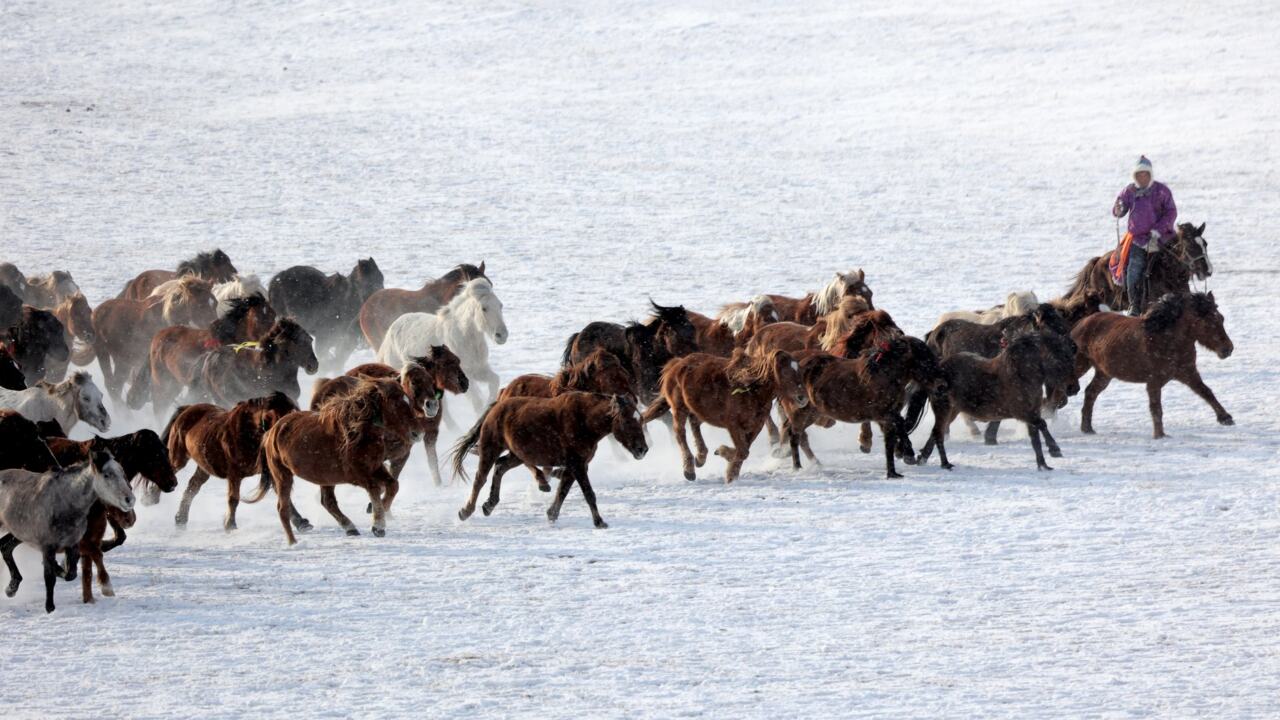
Mongolia has five kinds of herd animal, and horses are highly prized among them. Horses outnumber humans in the country, and nomads living in the traditional way own more than 3,000,000 animals in total. A herd is both a food supply and a form of wealth, which is why the number and quality of horses matter socially as well as practically.
Mare’s milk and airag
The “drink” in that list is mare’s milk, which Mongolians ferment into airag. This is why searches about Mongolian horse milk lead straight into horse culture: the animal that carries a family also feeds it. Airag belongs to the same household economy as the herd, not to a separate food tradition.
Chinggis Khaan and the empire
Horses also shaped Mongolia’s history. By uniting warring tribes of Central Asia in 1206, Chinggis Khaan (Genghis Khan) formed an empire, and In the Saddle credits the Mongolian horse with helping it expand. Mongolia Travel Advice describes the breed as able to ride further, with less food and water, than other horses. That is a military advantage and an everyday one for herders crossing open country.
Why children ride in Mongolian races
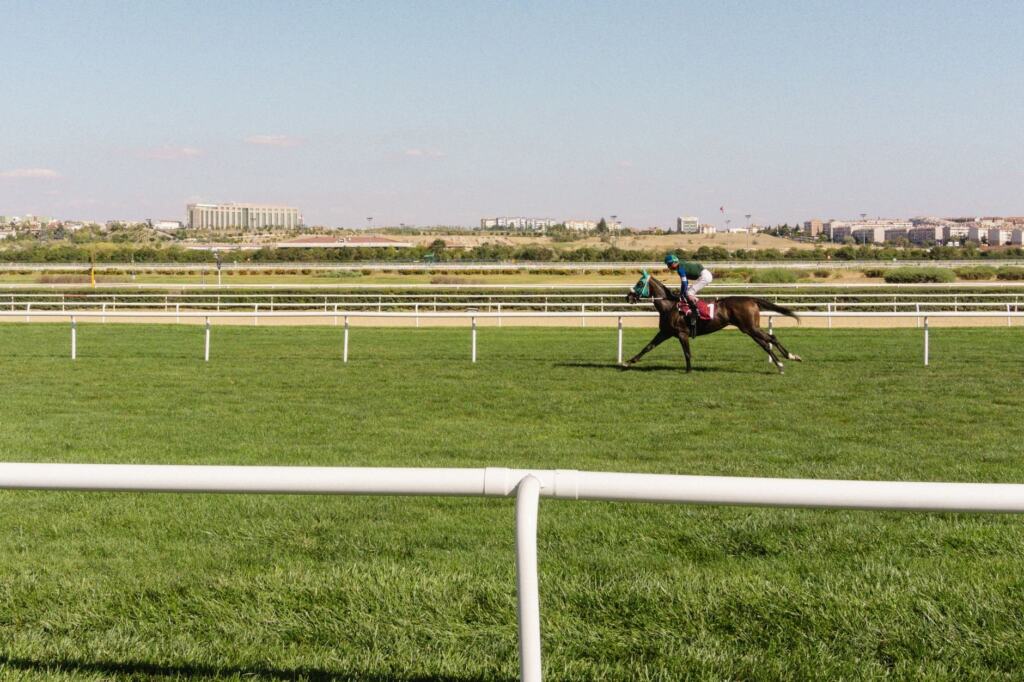
Children ride Mongolian racehorses because they are lighter in the saddle, according to In the Saddle. The same source says children as young as 6 take part. Weight is the stated reason, and it fits the scale of the event: races can be up to 35km and involve thousands of horses.
The sport is not a sideshow. Racing is one of “the three manly arts”, alongside wrestling and archery, which places child jockeys inside a central national tradition. Readers who want the companion event can follow the explanation of mongolian wrestling bokh.
Readers should treat the age range as a description of tradition, not as a set of rules. A formal safety code for young riders is not part of the supplied evidence, so anyone considering the topic for travel or reporting should check current event regulations directly with organisers.
Horse trekking in the Gobi
Visitors can go horse trekking in Mongolia, including on the Gobi Steppe and in Gorkhi-Terelj National Park, according to In the Saddle. The Gobi proper is a different matter. Mongolia Travel Advice calls the Gobi desert more camel country and warns against going it alone there. A guided, planned ride suits the region; an improvised solo trek does not.
What a typical ride involves
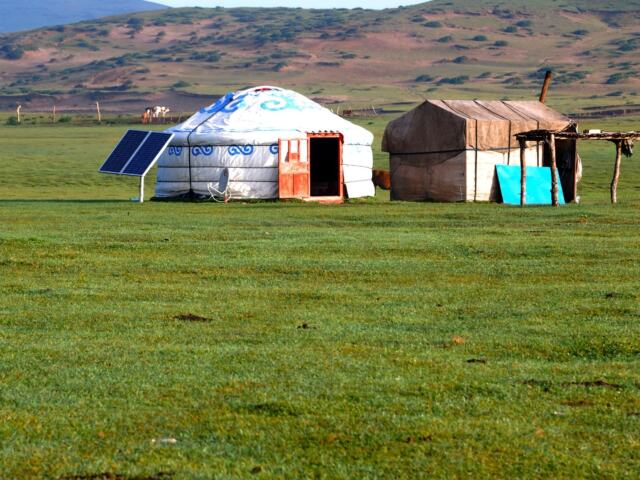
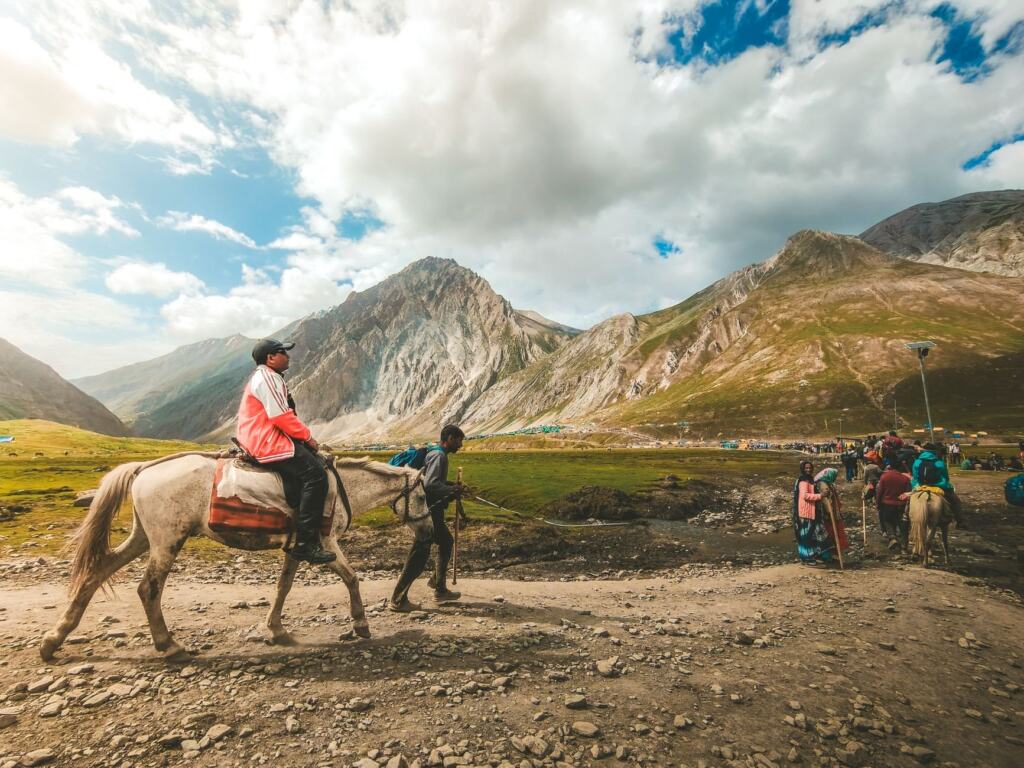
- Length: journeys normally last about 10 nights, with accommodation ranging from tents to tepees and ger camps.
- Daily riding: Equitours expects riders to be capable of riding 5-6 hours per day.
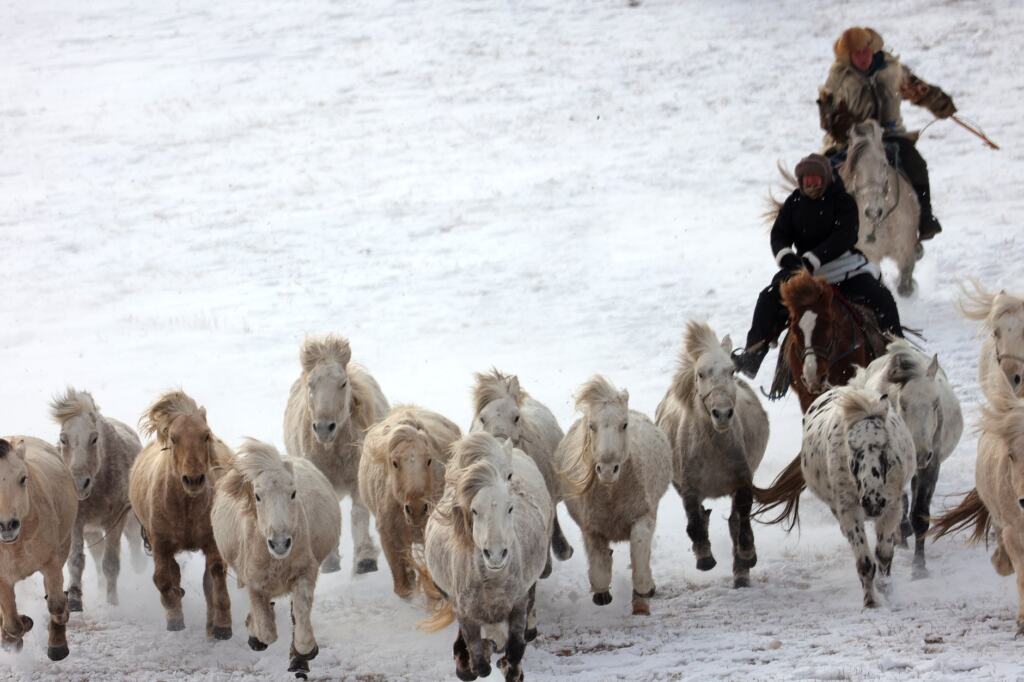
- Terrain: the same operator says the horses are adept at negotiating sand dunes, open steppes and rocky mountains, which is why the breed suits varied ground.
- Season: Stone Horse Mongolia puts the January average in the South Gobi at about -15°C, so winter riding there is a cold-weather undertaking.
Who it suits
Multi-day riding suits people who are comfortable in the saddle for most of a day and who accept basic accommodation. Beginners are better served by a shorter outing than by a full journey. Those drawn mainly by the desert landscape may find that camel trekking in the Gobi fits the terrain better, as the same source suggests.
Related traditions
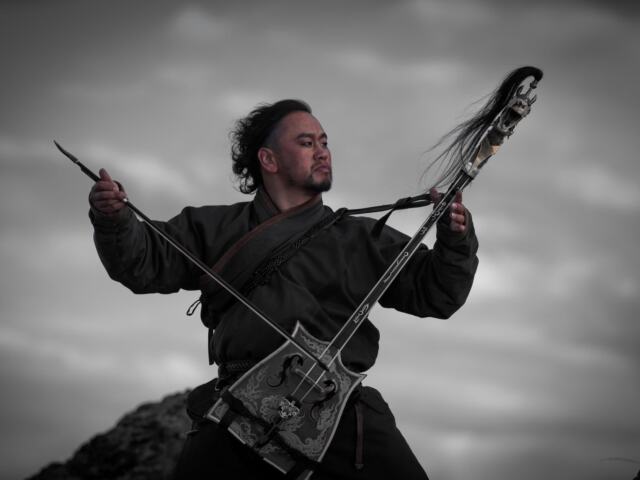
Horse culture links closely to other living traditions. Riding gear, saddlery and decorative objects overlap with traditional mongolian crafts, which suit readers who want to take something home beyond photographs.
Frequently asked questions
| Question | Answer |
|---|---|
| Can children join a horse trek in Mongolia? | Yes, if they are competent riders. Equitours says children are welcome on its Mongolian ride, but they must be competent riders. |
| How much does it cost to rent a horse? | Mongolia Travel Advice says you can typically rent a horse for $20 a day or less. Guided multi-night journeys are priced separately by each operator. |
| How far can a Mongolian horse go without a break? | In the Saddle says Mongolian horses can canter continuously for up to 10km. |
| Which animals make up Mongolia’s five herd animals? | Horses, camels, yaks, sheep and goats, according to In the Saddle. Horses are the most highly prized of the group. |