| Question | What the evidence says | Planning use |
|---|---|---|
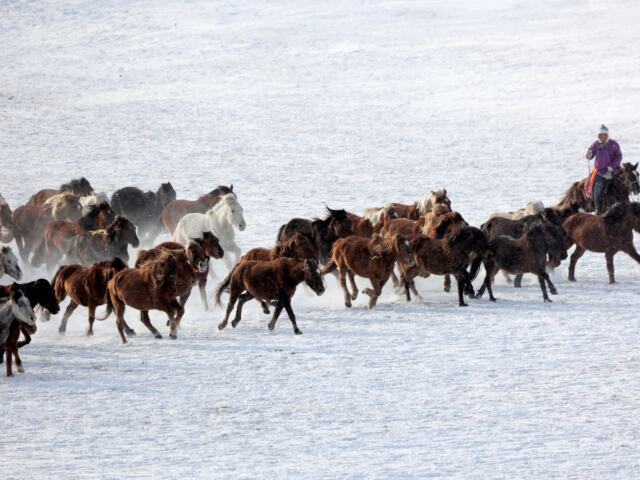
| Season | Mares are milked roughly June to October. Production begins when foals are born in late May or June and ends when mares dry up in October. | Aim to try fresh airag within those months. Outside them, a herder family may have none to offer. |
| Strength | Up to 2% alcohol in one description; typically 1 to 3 percent in another. | Treat it as a mildly alcoholic drink, not plain milk. |
| Taste | Light, slightly effervescent, sour-tangy and a little sparkly. | Expect tang and fizz rather than creamy sweetness. |
| Fermentation | Takes one to two days. The milk is stirred every day or two with a wooden tool. | Explains why a container hangs near the door of a ger and why guests may be asked to stir it. |
| Etiquette | Refusing a bowl is considered rude. Drink from the bowl, but finishing it is not mandatory. | Take the bowl, sip, and hand it back with thanks. |
The figures above come from Unveil Mongolia’s guide to airag and Yogurt at Home’s overview of airag.
What is airag? It is fermented mare’s milk, a lightly alcoholic, tangy drink that Mongolian herders make in the milking season and offer to guests.
Airag is one part of mongolian nomadic culture, where dairy, hospitality and the herding year are closely tied together. This guide covers the drink, its place among the dairy foods, and the manners that go with it.
Timing a visit around airag season
Airag is a seasonal drink because it depends on lactating mares. Unveil Mongolia puts the milking season at roughly June to October, with production starting when foals are born in late May or June and ending when mares dry up in October. A trip outside that window is a poor bet for fresh airag from a herding family.
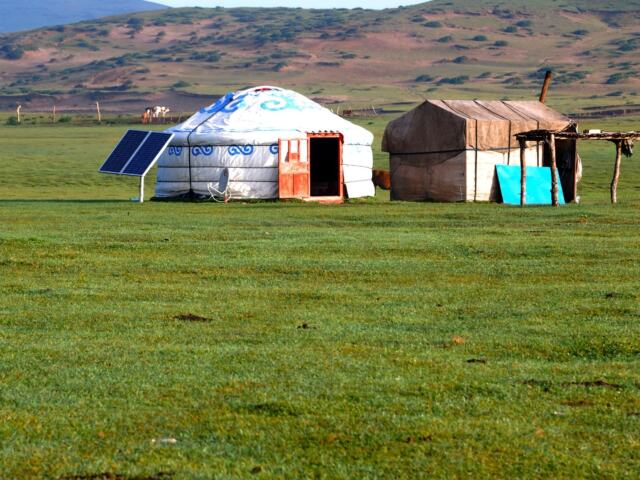
Where a visitor meets airag also shapes the experience. The same source says it is offered in nomadic gers, sold in plastic bottles at roadside stalls and served at Naadam. The choice comes down to what the traveler wants:
- Inside a ger: the best setting for seeing how the drink is served and for observing the etiquette described below.
- Roadside stalls: a convenient way to taste it without a host, though bottled airag skips the ritual of the bowl.
- Festivals such as Naadam: airag is part of the festive offering, so a summer visit can combine tasting with the event itself.
Taste, strength and what first-timers should expect
Airag tastes sour and fizzy rather than sweet. Unveil Mongolia describes a light, slightly effervescent quality with a sour-tangy taste. Yogurt at Home calls it slightly sour, a bit sparkly and very refreshing. A Prezi summary of Mongolian national food adds that it contains a small amount of carbon dioxide.
The alcohol is low. Yogurt at Home says it can reach up to 2% alcohol, while Unveil Mongolia gives a typical range of 1 to 3 percent. That makes it closer to a light fermented drink than to a spirit, but it is not alcohol-free.
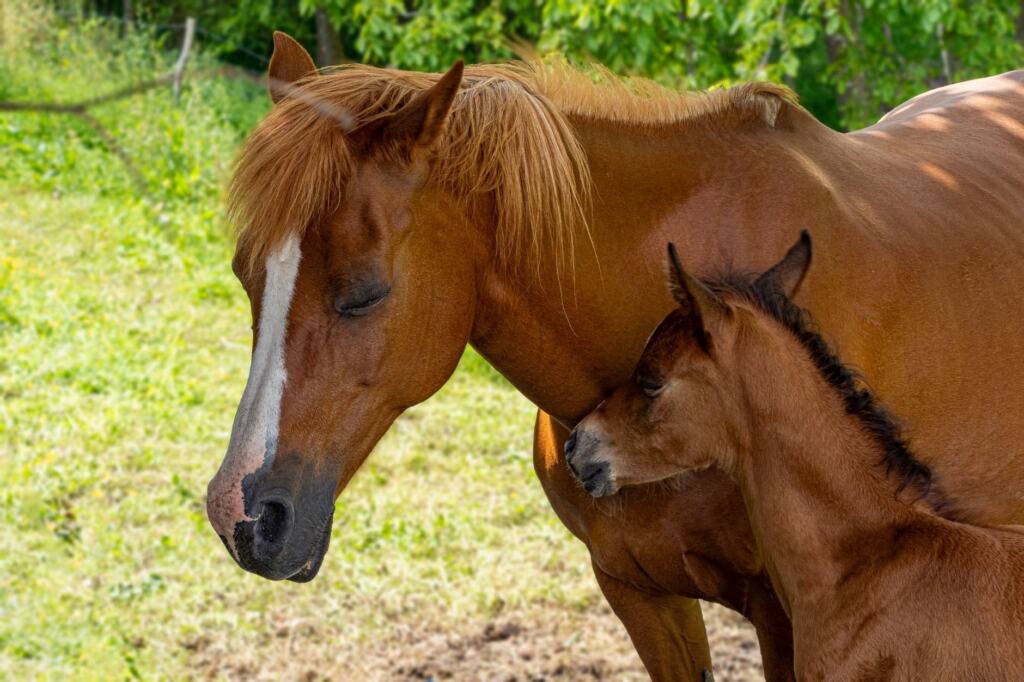
Mare’s milk itself is richer in sugar than cow’s or goat’s milk, according to Yogurt at Home, and the same source notes that raw mare’s milk can act as a mild laxative. Those points are worth keeping in mind before a large first serving. Practical choices for a first-timer:
- Sip rather than gulp. The tang can surprise the palate, and a bowl does not have to be emptied.
- Expect fizz. The sparkle is normal for the drink and not a sign that it has gone off.
- Pace the first taste. With the sugar content and the raw-milk note in mind, a small first portion is the cautious option for a sensitive stomach.
Accepting a bowl of airag politely
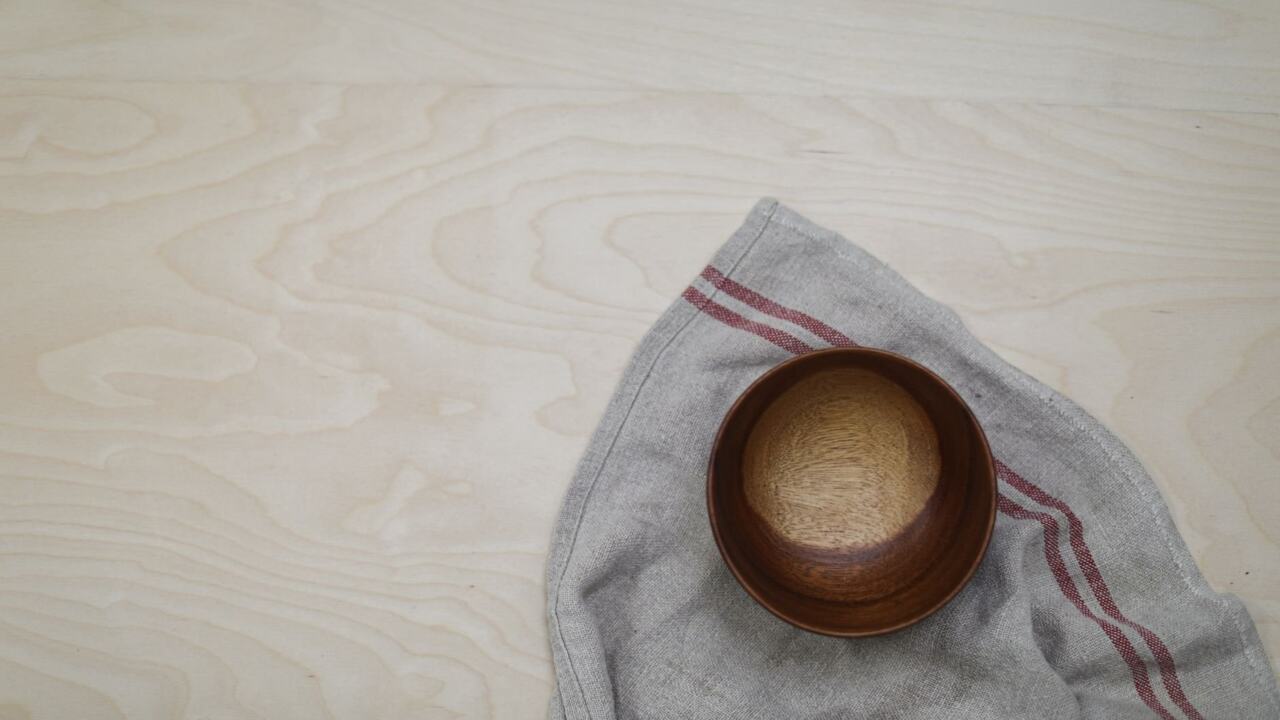
A visitor who is handed a bowl of airag should accept it, taste it and return it graciously. Yogurt at Home states that refusing the bowl is considered rude and impolite, so declining outright is the one move to avoid. The remaining steps are simple:
- Use the right hand. The Prezi summary says to accept the cup with the right hand, and it applies the same rule to milk tea as to airag.
- Offer a small blessing if you wish. Unveil Mongolia describes a small sprinkle from the fingertips toward the sky as a way of acknowledging the drink.
- Drink from the bowl. Yogurt at Home says you should drink from the bowl, but it is not mandatory to finish the contents.
For a traveler who dislikes the taste, the sip is the compromise. Taking the bowl, drinking a little and handing it back respects the host without forcing down a full serving.
White foods: airag, milk tea and dried curds
Airag sits inside a wider dairy tradition. The Prezi summary says meat and dairy form the staple diet of nomadic cuisine, and dairy products are grouped in Mongolian as white foods, or tsagaan idee. Airag is the fermented mare’s-milk member of that family. Other milk products take different forms, such as drinks, curds and dried preparations.
Dried curds called aaruul belong to the same tradition as airag. Where airag is a drink made fresh and stirred over a day or two, aaruul shows milk handled in a solid, dried form.
The everyday dairy drink is milk tea rather than airag. The Prezi summary calls suutei tsai the most consumed drink of Mongolia and describes it as cow milk mixed with water and black tea leaves, lightly salted. Note the difference in animal: airag comes from mares, while this tea is made with cow milk. For a visitor, tea is the easier, milder introduction to Mongolian dairy, and the cup is received the same way as airag.
How airag is made
Airag is made by letting mare’s milk ferment in a container while it is stirred regularly. Yogurt at Home explains that both bacteria and yeast are present in the fermentation, and that the milk is stirred with a wooden tool every day or two. The container is hung above the entrance of the yurt, the traditional name for a ger.
The routine is communal. The same source says each person who enters or leaves the tent would give the container a few strokes. That habit keeps the milk moving without anyone being assigned the task, and it is why a visitor in a ger may be invited to stir.
Unveil Mongolia says the fermentation takes one to two days. It also notes that the traditional leather vessel can hold 40 to 200 liters of fermenting milk, which shows that a household batch can be large.
Airag at ceremonies and festivals
Airag also has a ceremonial role. According to Unveil Mongolia, a bowl of airag is placed on the ceremonial table at Tsagaan Sar, the lunar new year. Readers who want the wider setting for that table can read about tsagaan sar traditions.
Because airag is both an everyday offering in a ger and a festive one, tasting it connects a visitor to two sides of Mongolian hospitality. Travelers drawn to other gatherings and skills can also explore mongolian archery.
Frequently asked questions
Is airag alcoholic?
Yes, mildly. Yogurt at Home says it can have up to 2% alcohol.
Is airag similar to kefir?
Yogurt at Home compares the fermentation to kefir because bacteria and yeast both work on the milk.
Is airag still made in leather bags?
Traditionally it is made in a leather bag called a khokhuur. Unveil Mongolia notes that plastic barrels have increasingly replaced these bags.