Ovoo Mongolia etiquette is simple: stop at the shamanistic cairn, walk around it three times clockwise, and add a stone or a small offering. The custom is meant to bring a safer journey.
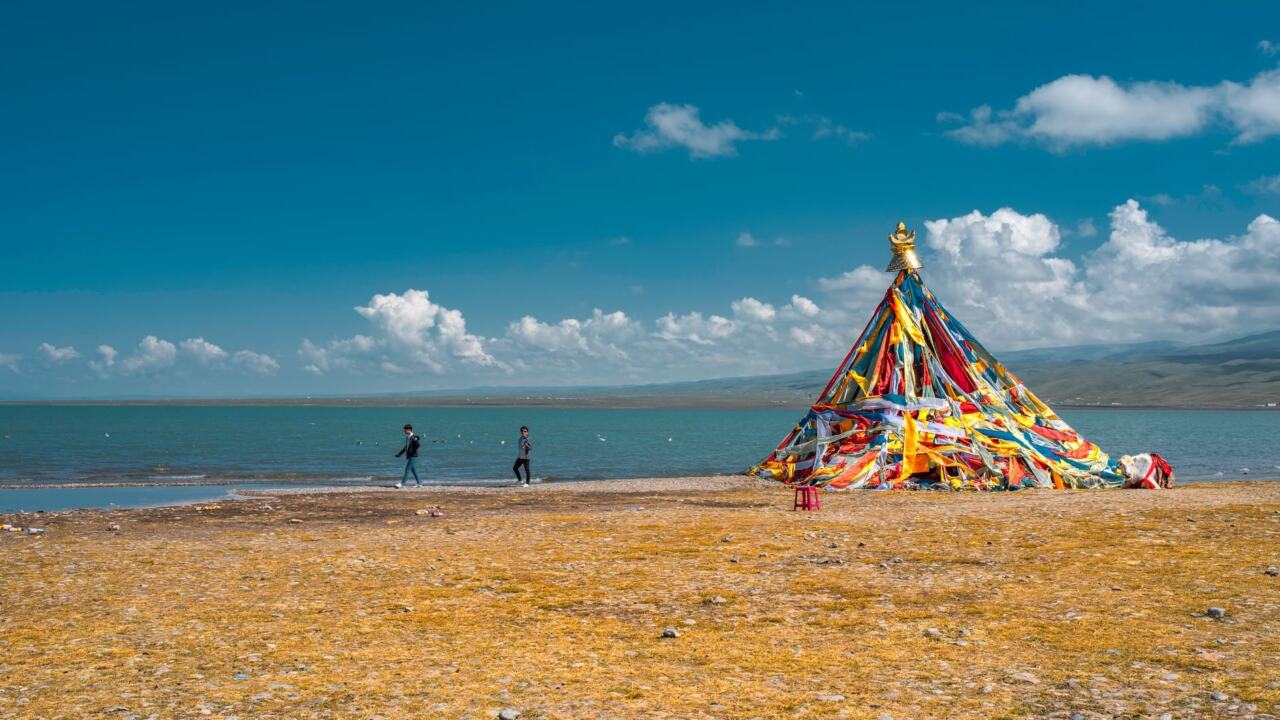
Picture a high pass where a heap of stones, hung with blue scarves, sits beside the road. It is not rubble or a rubbish pile. It is an active sacred site, and a respectful stop takes only a few minutes. For the wider setting, see mongolian nomadic culture.
What an ovoo is and why it is built
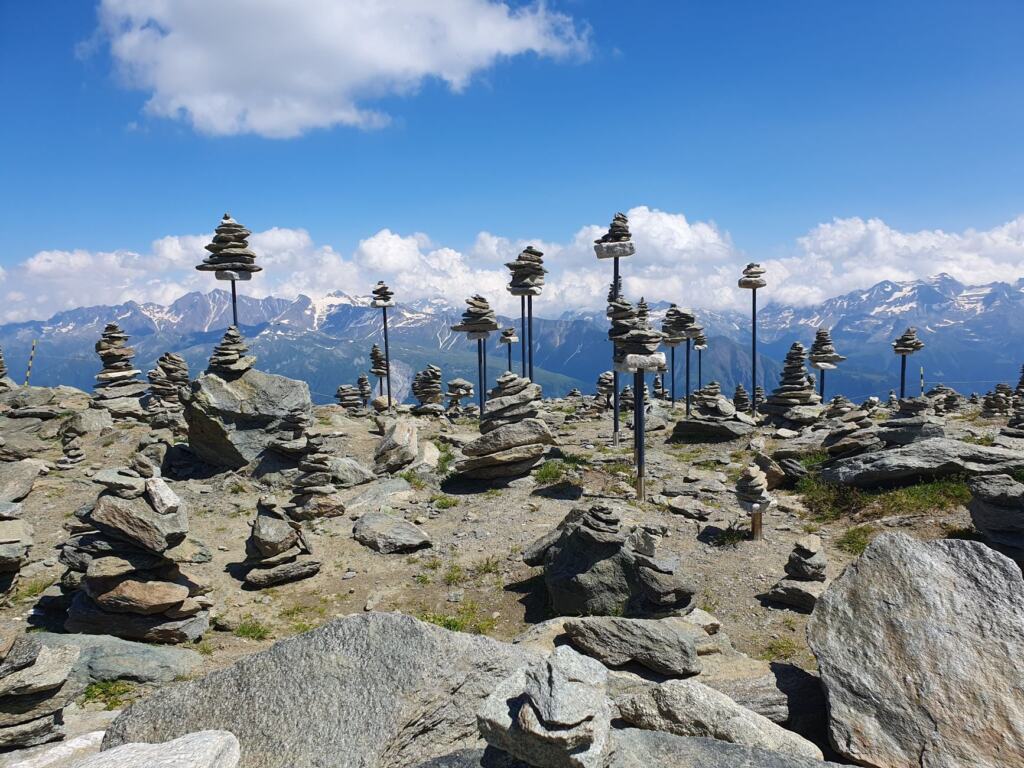
An ovoo is a type of shamanistic cairn found in Mongolia, made of rocks or wood, according to the Tibetan Buddhist Encyclopedia. The Mongolian word means “heap”. Ovoos are built mainly as religious sites, used in worship of the mountains and the sky and in Buddhist ceremonies. They often also work as landmarks, which explains why so many stand on mountain tops and high places such as passes.
Most visitor mistakes come from treating an ovoo as scenery. The table below sets common assumptions against what is supported.
| Common assumption | What is supported | Planning use |
|---|---|---|
| It is just a pile of rocks and a photo stop. | It is a shamanistic cairn of rocks or wood that serves mainly as a religious site, and often as a landmark too. | Treat it as a shrine first. Photograph from a respectful distance and only after the walk-around. |
| It belongs either to shamanism or to Buddhism. | Ovoos are used both for mountain and sky worship and for Buddhist ceremonies. | Do not try to classify the site. The same customs apply whichever tradition is invoked. |
| Offerings need to be elaborate. | Typical offerings are sweets, money, milk or vodka, and rocks are picked up from the ground and added to the pile. | A small, simple gesture fits the custom. |
| It is a relic of the past. | Worship was officially prohibited in the communist period, but people still worshipped clandestinely. | Expect a living practice, not a ruin. |
These points come from the Tibetan Buddhist Encyclopedia entry on ovoo and a Khentii travel guide to the Ovoo of Batnorov.
How to walk around an ovoo
The standard custom for travelers is to stop and circle the ovoo three times in a clockwise direction. The purpose given is a safer journey. The Khentii guide adds that the same three clockwise circuits show respect to the land spirits.
- Stop at the cairn. The custom is to halt on the way, so treat the ovoo as a pause in the journey rather than a drive-past sight.
- Walk clockwise. Keep the cairn on your right as you move around it.
- Complete three circuits. Three is the number given for both the safe-journey custom and the show of respect.
- Add a stone. Pick a rock up from the ground nearby and place it on the pile, as is usual.
- Leave an offering if you wish. The next section covers what is typical.
The best approach for a group is to walk the circuits together at an unhurried pace and keep voices low. That keeps the stop in line with its purpose. Anyone unsure about a gesture can watch what local travelers do and follow them.
Offerings and what to leave behind
Typical offerings are sweets, money, milk or vodka. Small, easily replaced items suit visitors best, because the custom is about a modest gesture and not about value. Rocks added from the ground are the simplest contribution and cost nothing.
- Sweets and money. The easiest options to carry, and both are named among usual offerings.
- Milk or vodka. These are also named as traditional. Choose them only if you already carry them, as nothing suggests a visit requires them.
- Stones. Add rather than rearrange. The custom described is of rocks picked up from the ground and added to the pile.
The sources describe what is traditionally left, not a list of banned items. Beyond that, ordinary courtesy applies: do not climb the cairn, and do not treat the offerings already at its base as free souvenirs. Those are judgements drawn from the cairn’s religious function, not stated rules.
How ovoos are built and where to find well-known ones
Construction varies by region and material. The Khentii guide describes an ovoo built with flat, layered stones native to the Khentii region. The encyclopedia entry notes that ovoos may be made of rocks or of wood, and the pile grows as visitors add stones.
Ovoo of Batnorov, Khentii Province
A well-documented example is the Ovoo of Batnorov, which stands near the Andalaliin Khushuu (Brotherhood Monument) in Khentii Province. The Khentii guide uses it to illustrate the three-circuit custom. Travelers planning a route through the province can use it as a reference point for how a major roadside ovoo looks and is approached.
Ovoo worship, Tengri and local spirits
Ovoo worship links to Tengri through the sky. The encyclopedia entry describes the blue khadag, a ceremonial silk scarf, as symbolic of the open sky and the sky spirit Tengger, or Tengri. The Khentii guide adds that the color blue represents the Eternal Blue Sky, the most sacred element in Mongolian shamanic tradition. A blue scarf on a cairn is therefore a statement about the sky above it, not decoration.
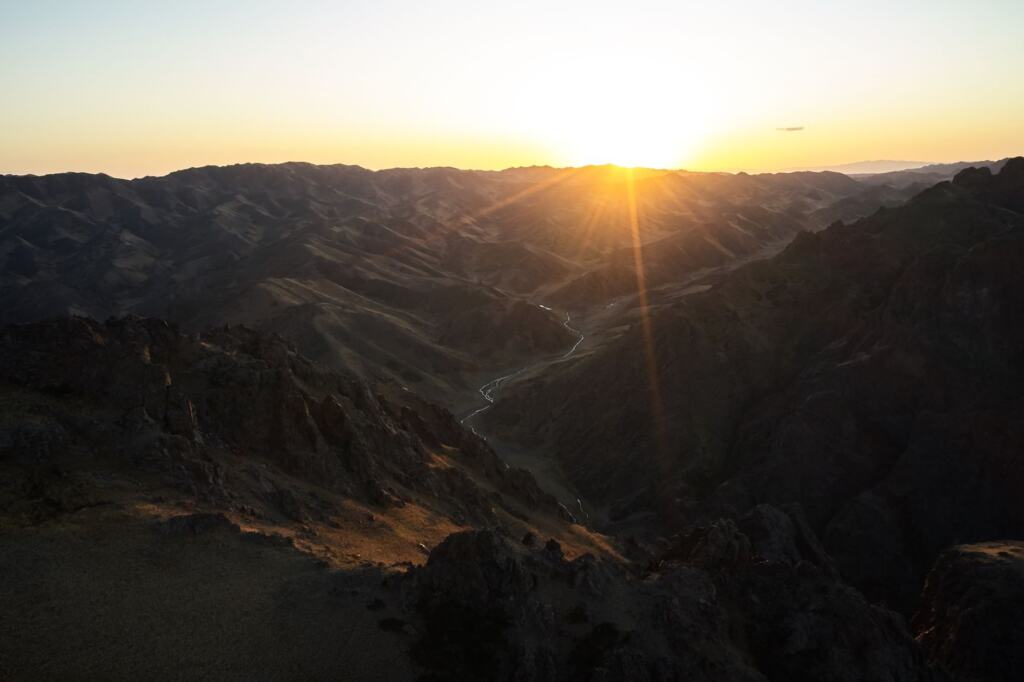
Mountain worship explains the location. Because ovoos are often found at the top of mountains and on passes, the cairn marks the place where land meets sky. The circuits made for a safe journey also show respect to the land spirits who are understood to govern the ground the traveler is crossing. In short, sky, mountain and local spirits all meet at one heap of stones.
Buddhist practice at the ovoo
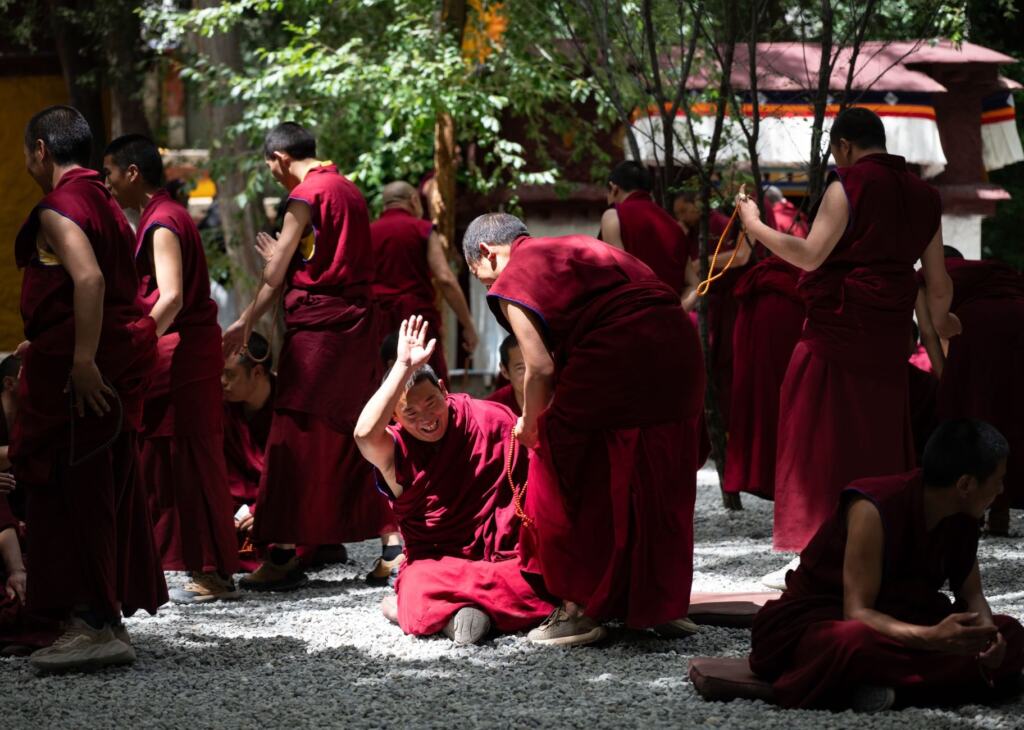
Mongolian Buddhism and older sky-and-mountain worship share the same cairn. The encyclopedia entry states that ovoos are used in worship of mountains and sky as well as in Buddhist ceremonies. For visitors, this means the actions are shared: the circuits, the stone and the offering look the same whichever tradition frames them. Do not assume a cairn belongs to only one belief.
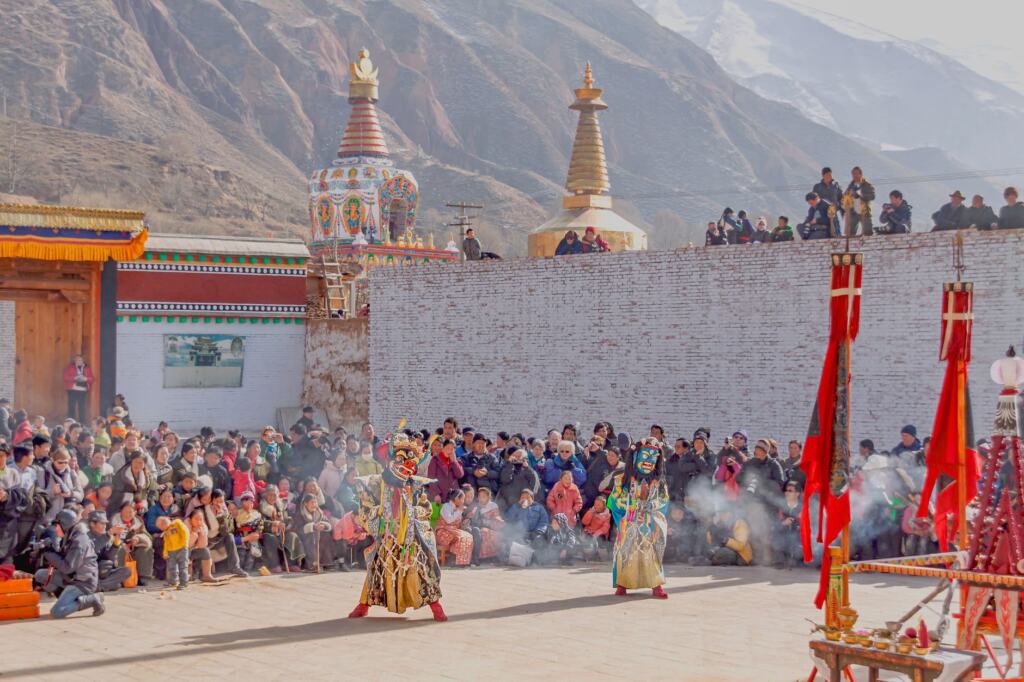
Ritual life in Mongolia runs through a seasonal calendar. Readers who want to compare the end-of-summer cairn rites with the winter-spring festival can start with the tsagaan sar traditions. Another strand of living heritage, the morin khuur horsehead fiddle, shows how Mongolian cultural symbols persist alongside sacred sites such as the ovoo.
The end-of-summer ceremony
Ovoo ceremonies are the mountain- and sky-worshipping rites that typically take place at the end of summer, according to the encyclopedia entry. The sequence it describes includes a branch, a blue khadag, a fire, food offerings, prayers and a feast. Visitors who happen to be nearby at that time of year may see a gathering, but this is a community event, not a tourist performance.
If you come across a ceremony, stay at the edge, do not photograph participants without permission, and join in only if invited. The ordinary walk-around is for the quiet stop. Where a rite is under way, follow the lead of the people conducting it.
Frequently asked questions
| Question | Answer |
|---|---|
| Can I pass an ovoo without stopping? | If there is no time to stop, honking the horn while passing is described as sufficient. Stopping, circling and adding a stone remains the fuller custom. |
| Was ovoo worship ever banned? | Yes. It was officially prohibited, along with other forms of religion, in Mongolia’s communist period, but people continued to worship clandestinely. |
| What does a blue scarf on an ovoo mean? | The blue khadag is symbolic of the open sky and of the sky spirit Tengri. Blue represents the Eternal Blue Sky in Mongolian shamanic tradition. |