Searches such as “#adventuretwo.net blog sites” lead to adventuretwo, a travel and adventure blog. It covers outdoor and water activities, destinations and urban exploration. It is a blog with several categories, not a single-purpose business site.
| Question | Answer |
|---|---|
| What is it? | A travel and adventure blog |
| Main themes | Outdoor and water activities, travel destinations, urban exploration |
| Extra section | Latest Updates/Trends |
| Named category | Underground Exploration |
| Recent topics | Island destinations, UK campervan parks, a beginner surf holiday, catacombs |
| Best for | Readers who want trip ideas and inspiration |
What the adventuretwo.net blog is
The adventuretwo.net blog is a travel and adventure publication built from posts sorted into categories. The navigation lists Home, About, three main categories, a Latest Updates/Trends section and an Underground Exploration category. Each part leads to a set of posts rather than to a single guide, so the site works more like a magazine shelf than a manual.
People type this in many forms. “adventuretwo.net blog”, “adventuretwo.net blog site” and “adventuretwo.net blog website” all point to the same place. So do “#adventuretwo.net blog site”, “#adventuretwo.net blog website” and “#adventuretwo.net blog websites”. The plural wording does not mean there are several sites; it describes one blog with many posts. The hash sign at the start is a habit of social media search and carries no extra meaning for the destination.
How the adventuretwo blog sites its content
The blog organises its writing by activity and place rather than by date alone. That makes it easier to browse for an idea than to follow as a diary. A reader can start from a theme, such as water activities or underground spaces, and move through related posts.

Some posts are self-titled blog-site posts, which describe the blog itself. The rest are travel pieces. A reader who wants a single answer, such as a route or a booking detail, should expect to open individual posts rather than a central guide.
The separate Latest Updates/Trends section sits apart from the three main categories. It is the place to look for newer material, while the categories hold the broader themes. Readers who return often can use it as a quick way to see what has changed.
What recent posts cover
Recent posts range across Europe and beyond. The home page lists pieces on Madeira, Iceland, Montenegro, Lanzarote and the Azores. Most of these are warm or coastal destinations, with Iceland as the cold-weather exception.
- Island and coastal trips: posts on Madeira, Lanzarote and the Azores, alongside Iceland and Montenegro.
- UK road trips: posts on campervan parks.
- Water activities: a beginner surf holiday post.
- Urban exploration: posts on the catacombs of Paris and New Orleans, and a post on the legality of urban exploring.
The urban exploration material is the least common theme among travel blogs. It sets this blog apart from sites that cover only beaches and city breaks.
Who an adventuretwo.net blog reader is
The typical reader is a leisure traveller looking for ideas. The mix suggests people planning a holiday who also enjoy offbeat sites such as underground spaces. Beginners are clearly in view, since a beginner surf holiday is among the recent topics.
Someone planning a Gobi Desert trip will find little directly on that landscape in the topics listed. The value lies in general trip-planning ideas: how a destination post is structured, which activities suit beginners, and what to weigh before an adventurous outing.
What it offers a desert and nature traveller
For readers of a desert and nature site, the blog is a source of adjacent inspiration, not a desert guide. The facts show no Gobi or desert coverage, so nothing here should be read as advice for that region.
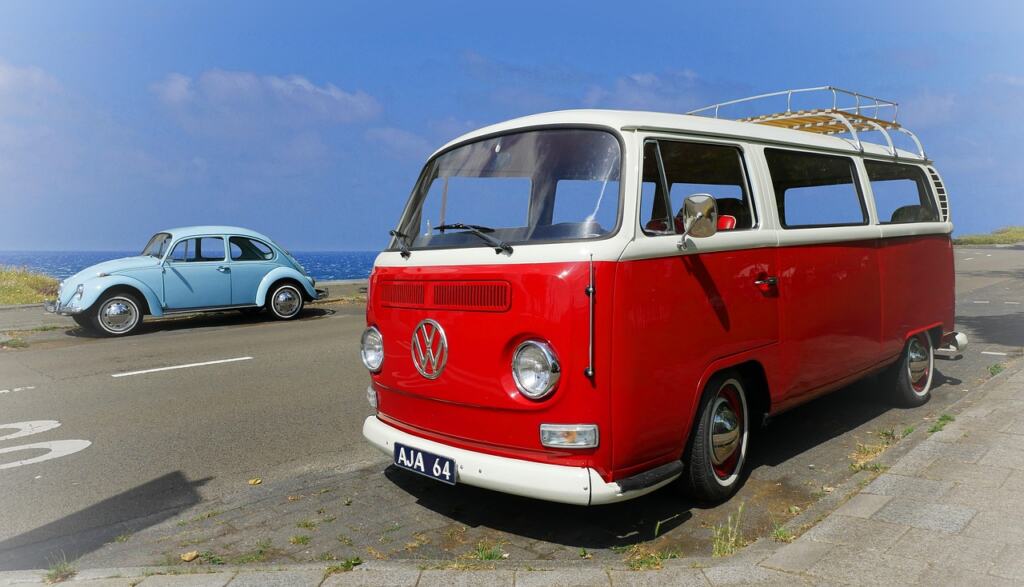
Still, some themes carry over. Campervan posts touch on self-drive logistics, which matter in any remote region where services are far apart. The urban exploration post on legality shows the right habit: check access rules before entering any restricted or fragile place. In desert and wildlife travel, the same habit protects both people and habitats.
Readers of nature and heritage sites may also find the catacomb posts a useful nudge toward culture and heritage travel. Underground sites are historic places, and they raise the same questions about preservation and respectful visiting as ancient desert routes or protected landscapes.
Checklist for judging a travel blog page
A short set of checks works on this blog and on any other. Use it before acting on a post.
- Check the date. Prices, access rules and opening times change, and an old post may no longer apply.
- Look for the author. Named writers are easier to assess than anonymous ones.
- Compare with official sources. Confirm transport, permits and safety notes with the relevant authority.
- Treat bold claims carefully. The About text says the site was established in 1995 and covers water activities, which is the site’s own statement.
- Judge each page alone. The site mixes many unrelated topics, so one good post says little about the next.
- Weigh the risk. For anything physical, such as surfing or entering underground spaces, look for safety guidance and rules before you go.
What the site does not say, and who it suits
The site does not state who owns it or who writes the posts, so readers should weigh it as an anonymous blog.
It suits readers who want travel ideas, beach and surf inspiration, road-trip planning and curiosity about underground sites. Readers who need verified, region-specific desert facts, climate data or wildlife information should look elsewhere, such as national park bodies, scientific institutions and established travel publishers. Use the blog to spark ideas, then confirm the details elsewhere.