| Season | Typical conditions | Camps and crowds | Planning use |
|---|---|---|---|
| Late spring (May) | Mild weather with little rain, and windy conditions in the Gobi | Ger camps usually open some time in May; nearly no tourists | Suits quiet trips if you pack for wind and confirm camp opening dates |
| Summer (June to August) | Temperatures can frequently climb as high as 50 °C in July and August | Flights, hotels and rental cars are always fully booked in the summer months | Worth it only if you accept the heat and book transport early |
| Autumn (September and October) | The milder window recommended for the Gobi | Fewer tourists and pleasant temperatures | The best all-round choice for most travellers |
| Winter | Mongolian temperatures have been known to drop as low as -40 °C | Small-group tours tend to operate between May and September; tailor-made trips outside those months | Only for dedicated cold-weather travellers on a custom itinerary |
Seasonal guidance here comes from a Gobi tour operator’s travel guide and a Mongolia travel guide.
The best time to visit Gobi Desert is September for most travellers, with late spring a quieter alternative if you accept wind. July and August bring peak heat and crowds, and winter is cold with many camps closed.
For wider background, see our gobi desert facts overview, and for temperature and rainfall patterns read the gobi desert climate guide. The sections below run through the year, then match months to travel goals.
Spring: quiet May, strong winds
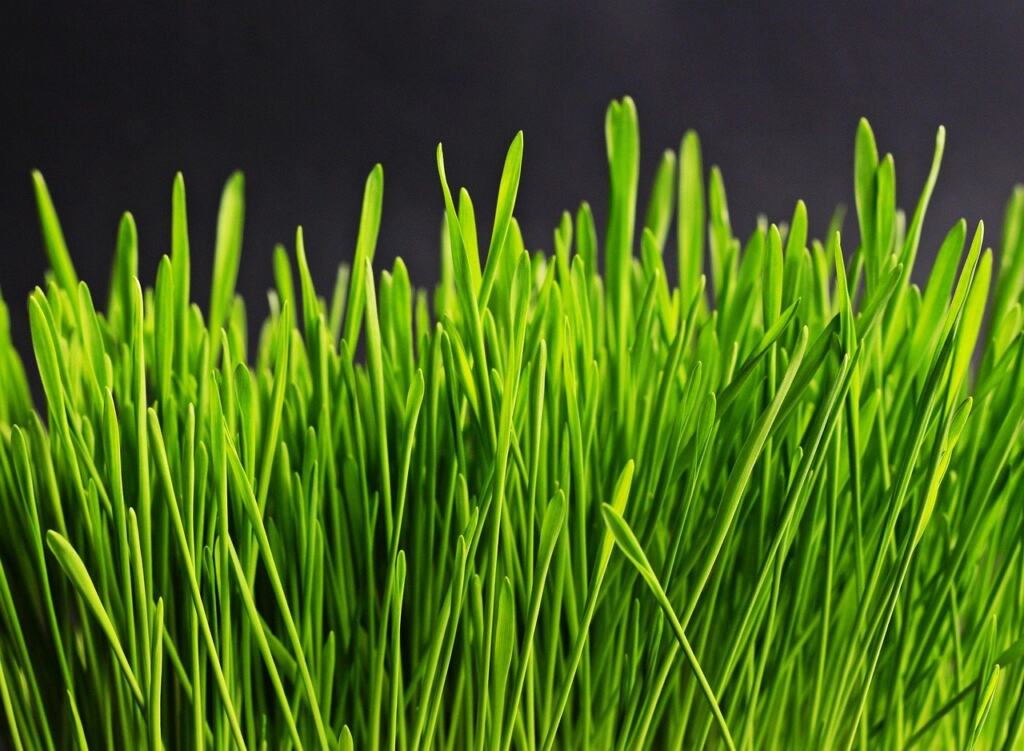
Spring suits travellers who value empty camps over calm weather. A Mongolia travel guide describes May as a mild, little-rain month with nearly no tourists, and ger camps usually open some time in May for the summer season. That wording means early May is not guaranteed, so a camp’s confirmed opening date matters more than the calendar month.
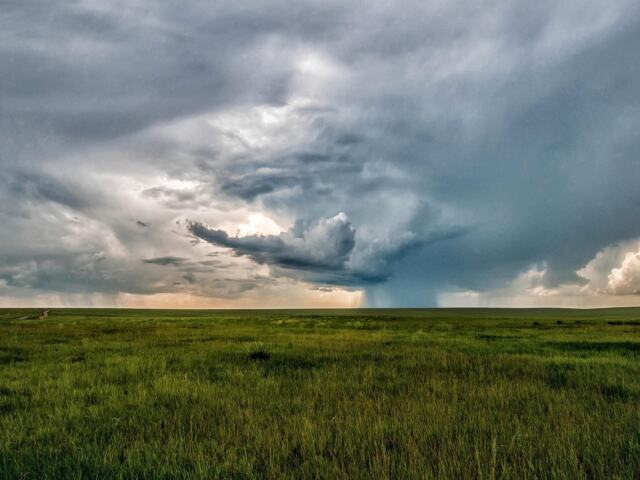
The trade-off is wind. On the plateau, strong winds can blow, especially in spring, and another Mongolia travel guide notes that spring brings strong winds and occasional dust storms. The Gobi tour operator guide still lists late spring as one of the milder windows, so the wind is a condition to plan around rather than a reason to rule the season out.
- Pack wind-resistant camping gear if you plan to sleep outside a ger camp, as the mycar.rent guide advises for the Gobi.
- Keep a flexible day in the itinerary so a windy or dusty spell does not cancel the main excursion.
Summer: heat, Naadam and full bookings
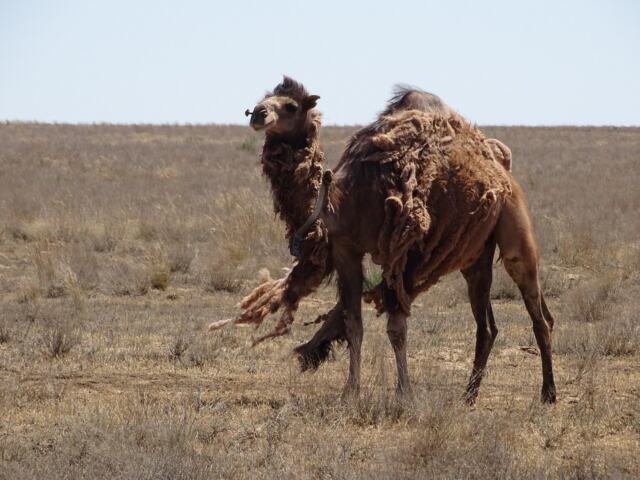
Summer is the busiest and hottest part of the Gobi year. In July and August the temperature can frequently climb as high as 50 °C, and the same guide says small-group tours tend to operate between May and September. Riding camels in the Gobi is presented as a summer activity, which is the main reason to accept the heat.
The festival draw is Naadam. The Naadam Festival is held nationwide every year from July 11 to July 13. Because flights, hotels and rental cars are always fully booked during the summer months, a Naadam trip needs reservations well before departure.
- Book flights, hotels and rental cars before anything else, since they fill first.
- Decide whether Naadam is a goal. If it is not, travel outside the festival dates to ease the demand on transport and rooms.
- Plan strenuous outdoor time for the cooler parts of the day, as heat is the main summer constraint.
Autumn: September and October
Gobi Desert weather in September is the most workable of the year for general travel. The tour operator guide recommends autumn, September and October, and another guide says autumn has fewer tourists and pleasant temperatures. For Ulaanbaatar, the usual starting point for Gobi trips, September lows are around 0 °C and highs around 15 °C, so expect cold mornings and evenings even when days are comfortable. Those are capital figures, useful as a reference for layering rather than as Gobi readings.
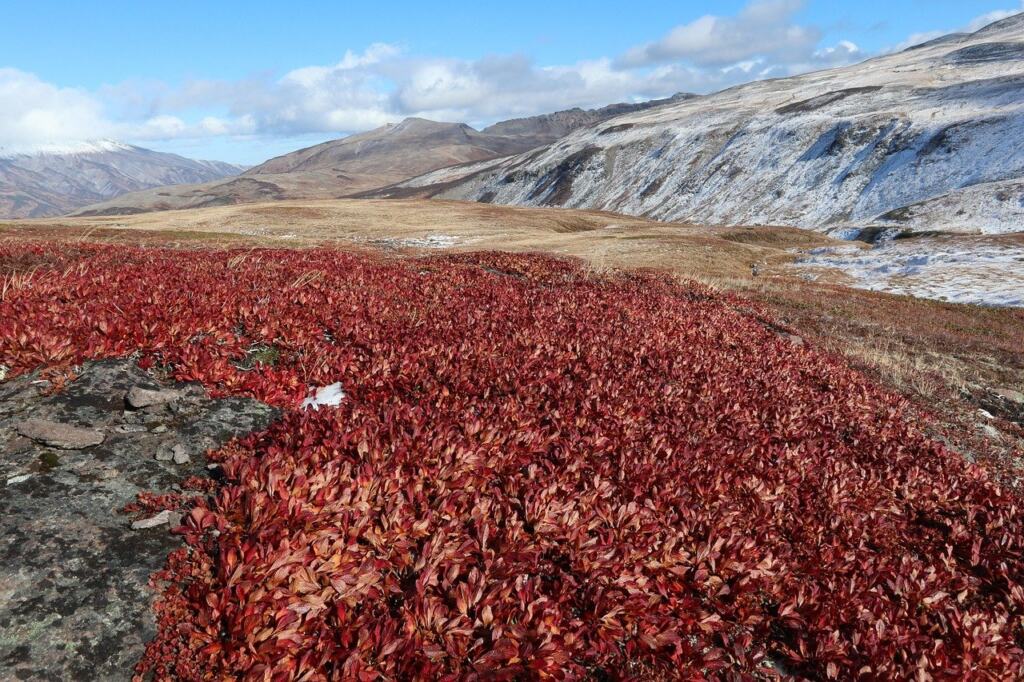
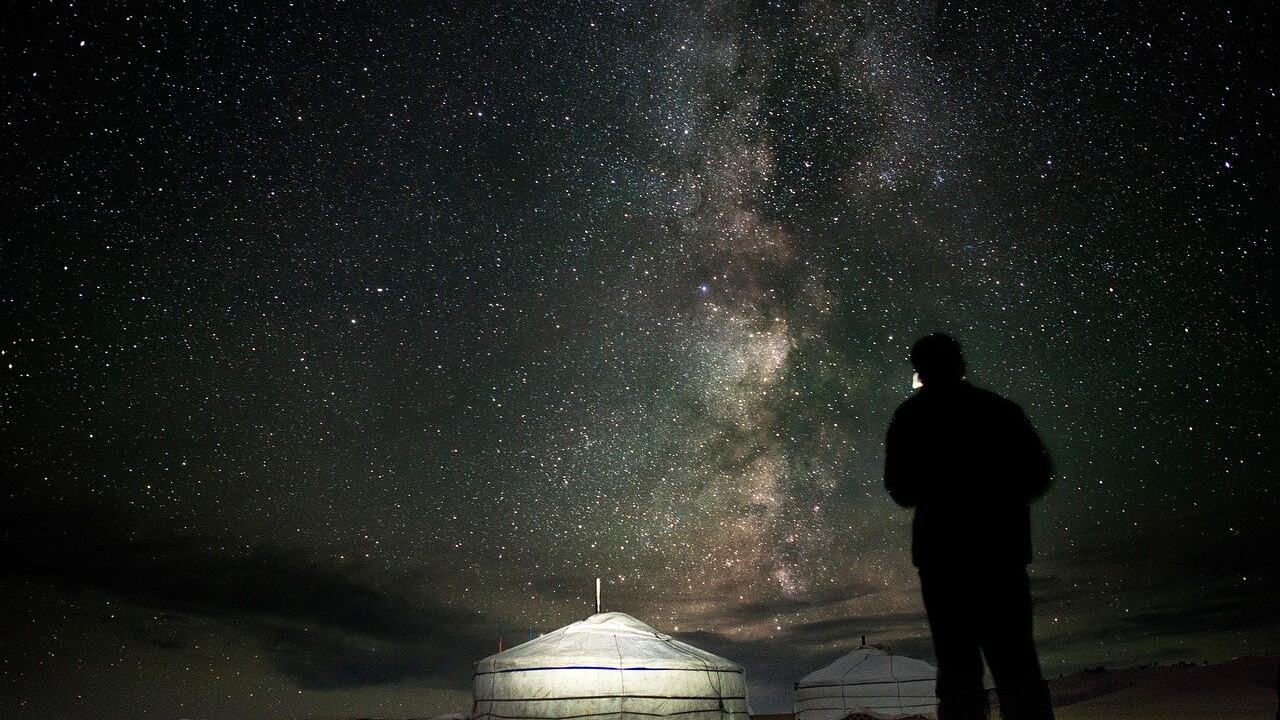
Dry air also helps at night. August to September is described as a dry period with crystal-clear night skies, which makes the start of autumn the better pick for stargazing. October is colder: Ulaanbaatar’s daily average sits around 0 °C, so choose September if you want to camp or spend long hours outdoors.
| Period (Ulaanbaatar) | Reference temperature | Planning use |
|---|---|---|
| April and October | Daily average around 0 °C (32 °F) | Treat as cold; October favours ger stays over camping |
| May and September | Lows around 0 °C (32 °F), highs around 15 °C (59 °F) | Pack layers for cold mornings and evenings |
| July and August | Highs about 25.5 °C (78 °F), nights about 11 °C (52 °F) | Capital figures only; the Gobi runs much hotter |
The temperatures above come from a Mongolia climate overview.
- Pack layers that handle near-freezing starts and mild afternoons.
- Pick September over October if warmth matters, and confirm camp operating dates for the later weeks.
Winter: cold and closed camps
Winter is a poor season for a first Gobi trip. The tour operator guide notes that the temperature has been known to drop as low as -40 °C, and many ger camps close during winter. With small-group tours running mainly from May to September, winter travel means a tailor-made itinerary.
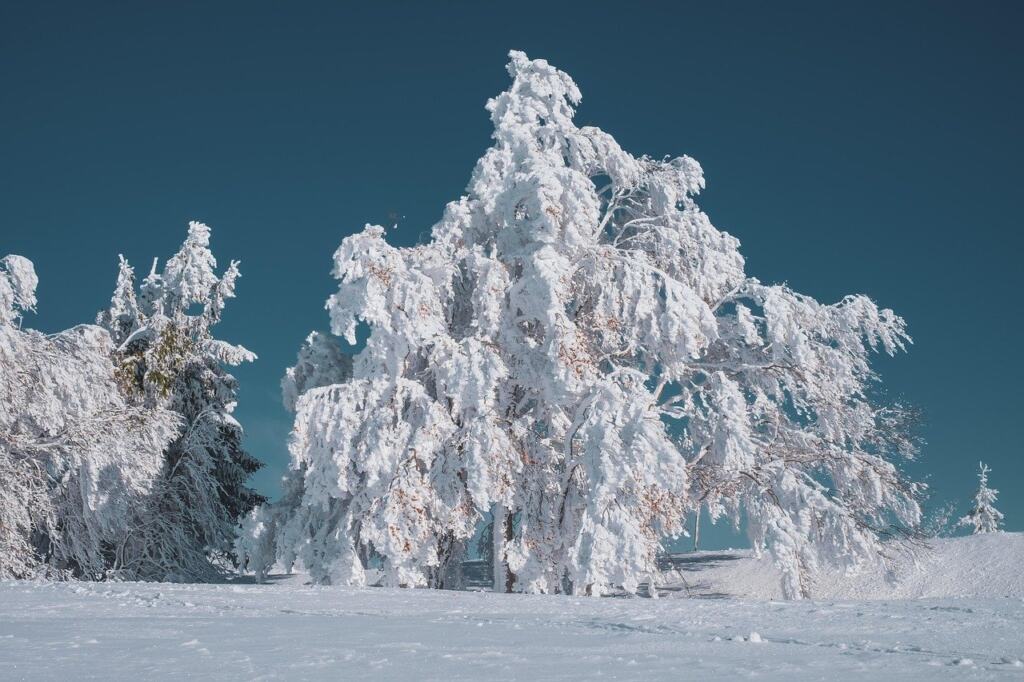
Some operators do sell the season, describing a cosy ger warmed by a wood stove under starry winter skies. That suits travellers who are comfortable with extreme cold and have an operator arranging lodging that is open.
- Ask an operator for a tailor-made itinerary rather than looking for a scheduled group departure.
- Confirm that your lodging is open and heated before you commit to dates.
Matching the month to your goal
- Best all-round trip: September. It combines fewer tourists with pleasant temperatures and avoids the heat of July and August.
- Quietest trip: May or the autumn months. May has nearly no tourists, though wind is the price. Autumn is calmer in crowds and temperature.
- Naadam: July 11 to July 13. Accept the summer heat and the need to book early.
- Stargazing: August to September, when the dry climate gives clear night skies.
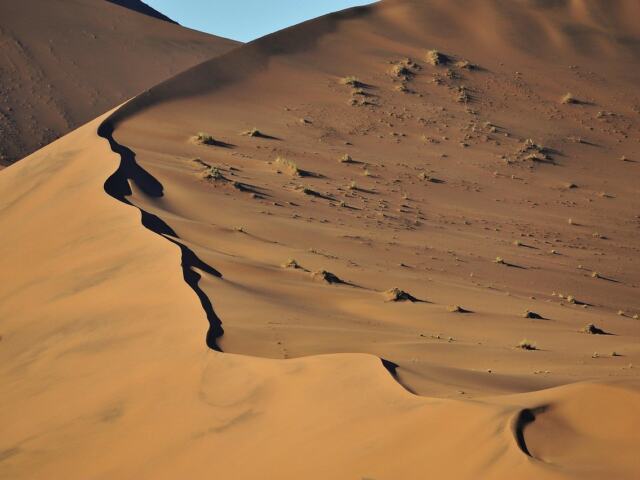
- Camel riding and dune walking: summer is the traditional camel season, and the Khongoryn Els dunes are popular for hiking and camel trekking. With heat that can reach 50 °C in July and August, the milder months make long dune walks easier to manage. The background on gobi desert camels explains the animals you will ride or meet.
- Local stay: the same guide mentions staying with a herder family in a traditional ger, an alternative to a tourist ger camp.
Common seasonal problems
- Camp not open yet: early-season trips are the risk, because camps open at some point in May rather than on a fixed date. Ask for written confirmation, or move the trip into the summer or autumn months when camps are running.
- Wind or dust disrupting a day: treat it as a scheduling issue. Swap the day’s outing with a rest day or a shorter drive instead of pushing on.
- Rooms and vehicles unavailable: this is a summer pattern. Shifting to September usually removes the pressure.
Frequently asked questions
Can I judge Gobi temperatures from Ulaanbaatar weather?
Not for summer. Ulaanbaatar’s July and August highs are about 25.5 °C with nights about 11 °C, according to a Mongolia climate overview, while the Gobi can frequently climb as high as 50 °C in those months.
How much rain falls in the Gobi?
Very little. Annual rainfall is 150 to 200 mm (6 to 8 in) in the eastern Gobi and below 100 mm (4 in) in the south-west. Sainshand, in the south-east, records 30 mm (1.2 in) in each of July and August, on 5 and 4 days respectively, according to the same overview.
How often do dust storms happen?
They are more frequent in the south of Mongolia, at more than 30 days per year, than in the centre, at 15 to 30 days per year, per that climate overview. Travellers to the South Gobi should expect the dustier end of that range.
Is Naadam held only in Ulaanbaatar?
No. The largest celebration takes place in Ulaanbaatar’s National Sports Stadium, but the provincial Naadam is held on different dates in each province, so check the date for any area you plan to visit.