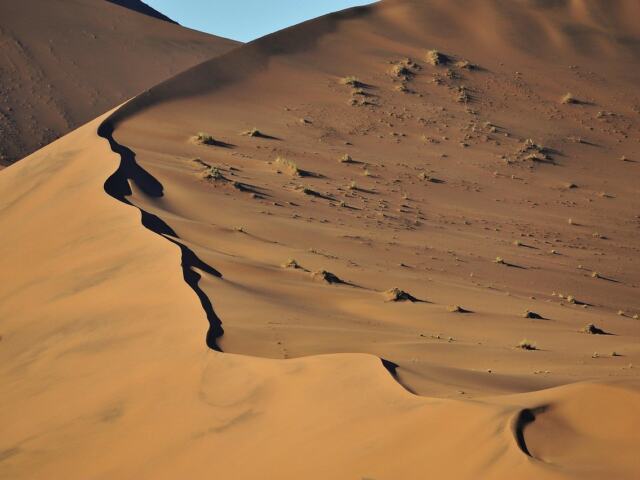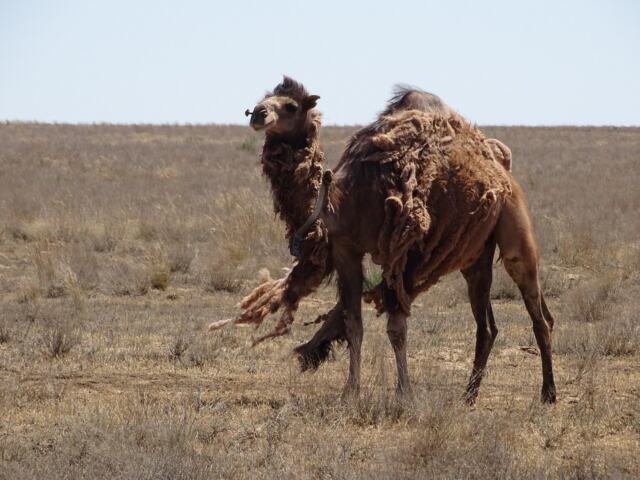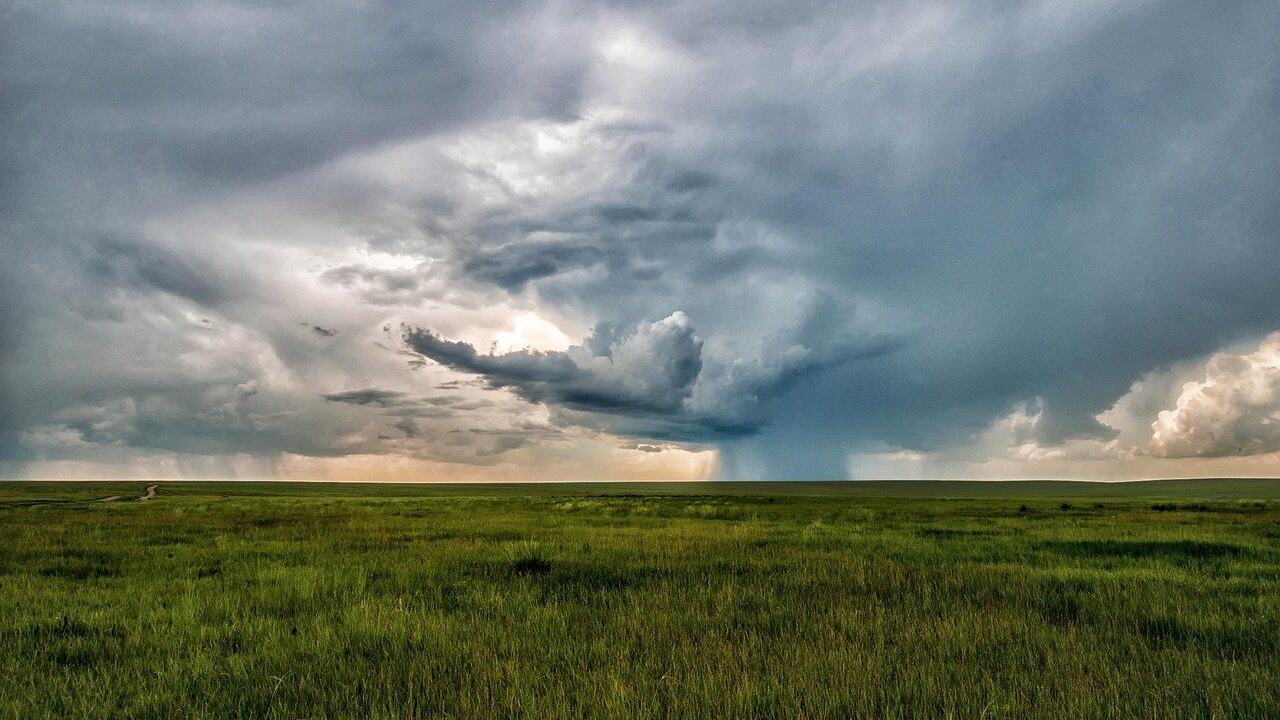
A traveller sees dunes beside a dry pasture and assumes the Gobi is swallowing China. The picture is mixed: gobi desert desertification is a real concern, but reported national results show restoration alongside continuing pressure.
For the desert’s geography and basic profile, start with our gobi desert facts guide. This article separates the causes of land degradation and weighs the evidence on tree planting, so desertification is not treated as one story.
Expansion claims against measured trends
The available figures are national and global rather than Gobi-specific, and they point in different directions. China has one of the world’s largest affected areas, according to an official Qiushi article carried by China Daily. That puts the Gobi region inside a national problem, but it does not give a rate for the desert’s edge.
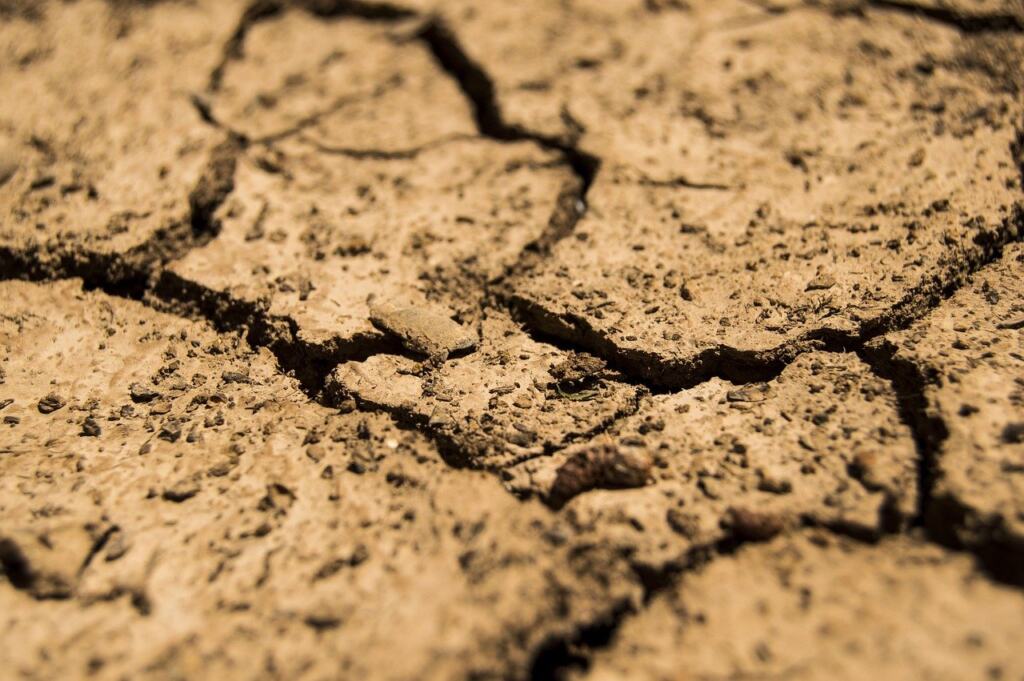
At global scale the trend is not simple growth. A Landsat analysis covering 1984-2024, summarised by Wódne Sprawy, reports an average annual decrease of nearly 23,000 km2 in desert area. The same summary notes that deserts in the Americas, northern Africa and the Middle East continue to expand. A falling global total therefore says little about any one district, and the Chinese stretch of the desert, covered in our guide to the gobi desert in china, needs local evidence.
| Common assumption | What the reported evidence shows | How to read it |
|---|---|---|
| The Gobi is steadily swallowing farmland | Global desert area shows an average annual decrease of nearly 23,000 km2 over 1984-2024, while some other regions keep expanding. | Treat any single rate as global, not as a Gobi figure. |
| Tree planting has solved the problem | Official data report 53 percent of treatable desertified land restored, yet forests deplete groundwater more strongly than steppes. | Judge schemes on water use as well as area planted. |
| Climate alone explains the damage | Intensified farming on land uprooted from steppe is leading to water shortages. | Look for local land-use causes before generalising. |
The figures come from Qiushi via China Daily for the restoration share and from Wódne Sprawy for the Landsat and water findings.
What drives grassland degradation around the Gobi
Grassland degradation around the Gobi has no single driver, and the reported evidence points first to water and land use. Two supported pressures stand out.
- Land-cover change and water. The same Wódne Sprawy summary reports that available water, as a result of land-cover changes, is decreasing over most of China. Some regions around the Gobi desert are among those showing a decline. Water is the constraint that shapes what vegetation a dry area can hold.
- Farming on former steppe. The intensification of agriculture in areas uprooted from the steppe is leading to water shortages. Turning grassland over to more intensive crops can therefore undermine the water supply that the land depends on.
Grazing pressure
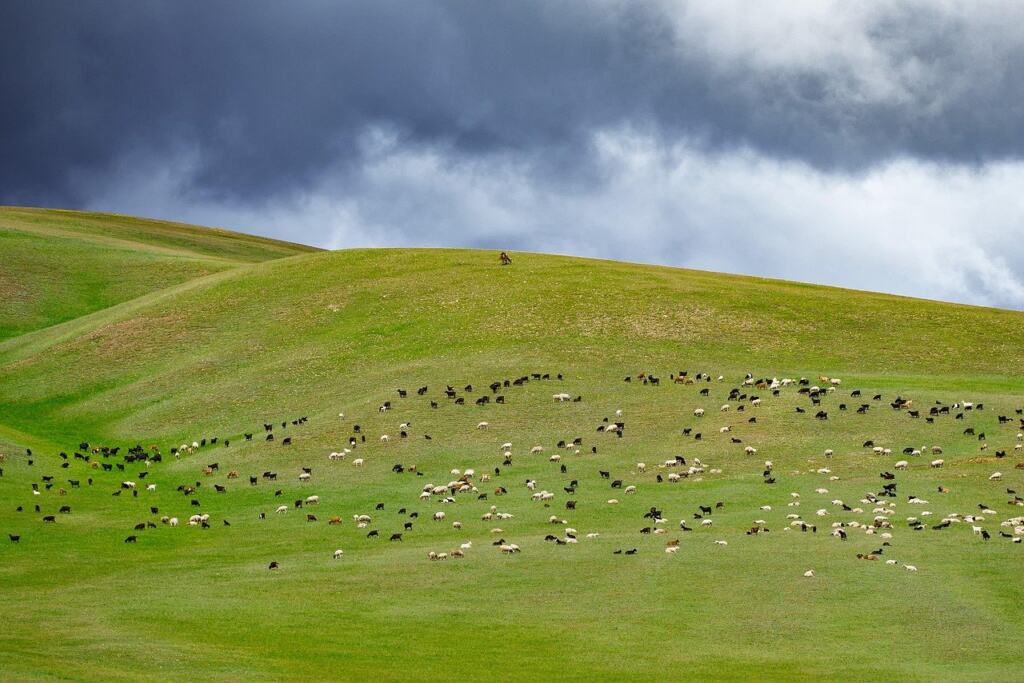
Grazing is the other land use that acts directly on steppe vegetation. Its effect depends on how many animals use a pasture and how well that pasture can recover. For that reason a photograph of a herd on a healthy-looking slope tells you little about degradation on its own.
Mining and local land disturbance
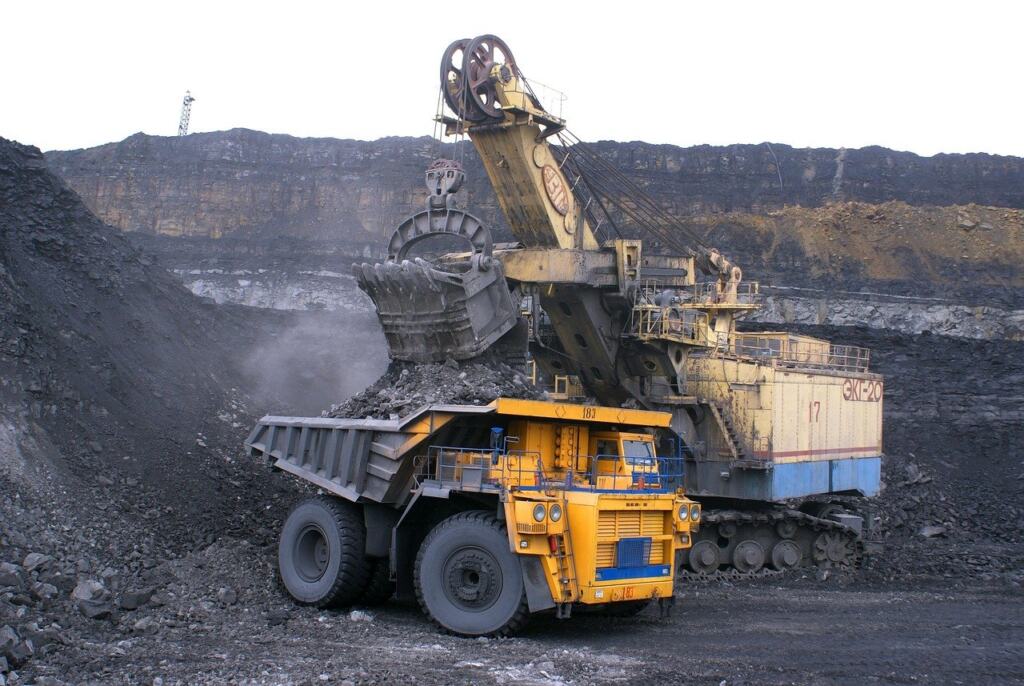
Open-pit mining strips surface cover where it operates, so its footprint is local and site-specific rather than regional. That makes it a different kind of pressure from shifting water availability or farming on former steppe.
When you read claims about the impact of mining in the Gobi, ask for the size of the mine footprint and for any rehabilitation plans. A broad statement about regional desertification does not establish what one pit has done to the ground around it. Mining also tends to be judged separately from the tree-planting figures below, which report on large treated areas of grassland and desertified land.
Tree-planting results: what the evidence supports
Official figures for the Three-North Shelterbelt Program
The Three-North Shelterbelt Program is China’s large-scale planting effort across its dry north. According to the Qiushi article on China Daily, the project has added 32 million hectares to afforestation areas since 1978. It also reports that the program treated 85.3 million hectares of degraded grassland and 33.3 million hectares of desertified land.
The same article gives official outcome data. It states that 53 percent of China’s treatable desertified land has been restored, leading to a net reduction of approximately 4.33 million hectares of degraded land. Treat the net figure as the more demanding test, because it reflects degradation as well as recovery. Planted area alone does not show that land has recovered.
The water caveat
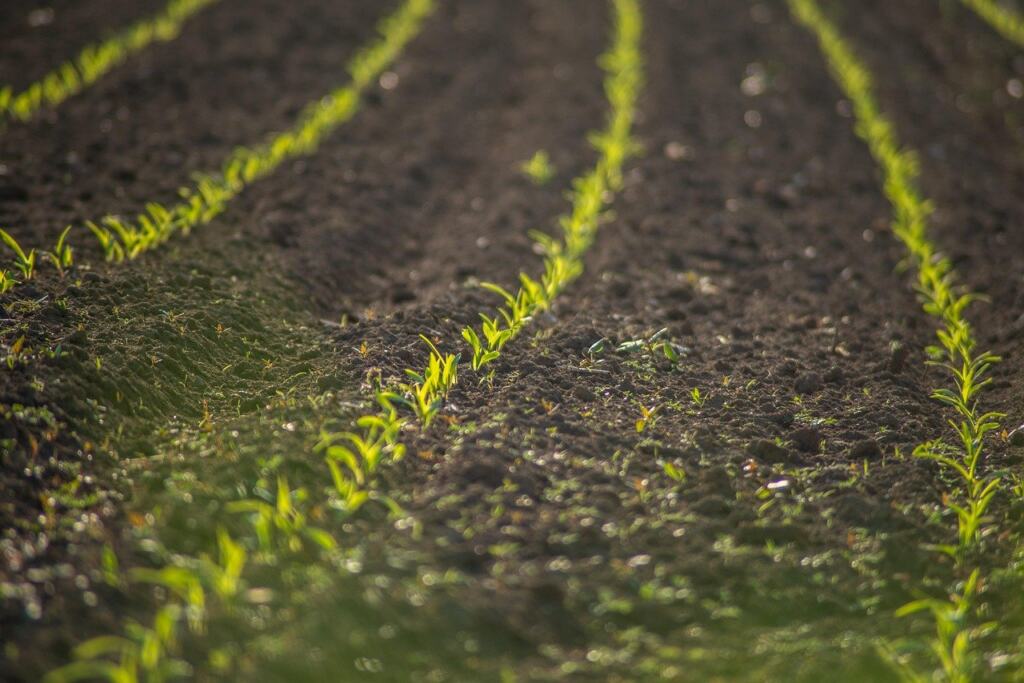
The weakest point in the success story is water. The Wódne Sprawy summary states that forests deplete groundwater more strongly than steppes, let alone deserts. It adds that available water is decreasing over most of China as a result of land-cover changes.
These findings do not cancel the official restoration data. They do mean that replacing grass with trees should be tested site by site in a dry region. A planting scheme can look successful on area measures while placing more demand on groundwater. For that reason, restoring native grassland and planting trees are different choices, not interchangeable ones.
The program has also produced showpieces, including what the article calls the world’s largest man-made forest at Saihanba in Hebei Province. Such results show what planting can achieve where conditions allow, but they are not a template for every dry site.
Dust storms and what they affect
Dust storms are one of the reported consequences of desertification. The UNCCD-based coverage in the Qiushi article says desertification leads to more sand and dust storms, jeopardizes food security and displaces communities.
That puts the reach of Gobi dust beyond weather alone. It touches the food supply and where people can live. These effects are described for desertification in general, so they are best read as the cost of land degradation across the region and not as a measurement of any single storm. When land is restored, the benefit is therefore not only greener ground but also less of the dust and displacement that degradation brings.
Reading desertification claims sensibly
- Net against gross. Prefer figures that report net change in degraded land over figures that only list area treated or planted.
- Water as the test. A restoration claim is stronger when it addresses groundwater, since water is the shared constraint across farming, planting and grassland.
- Local against regional. Grazing and mining act site by site, so one district’s story should not be stretched across the whole desert.
People have moved through and used this land for centuries, and our guide to the silk road gobi desert region gives useful background on that long human use.
Frequently asked questions
| Question | Answer |
|---|---|
| How many people does desertification affect in China? | A BBC report reproduced on a desertification blog says more than 400 million people are affected by problems that include desertification. |
| How much land does the world lose to desertification each year? | The same BBC report gives an estimate of an area three times the size of Switzerland lost each year worldwide. It is a global estimate, not a Gobi figure. |
| Where is the world’s largest man-made forest? | The Qiushi article credits the Three-North program with creating it at Saihanba, in Hebei Province. |