Gobi desert animals include the Gobi bear, the only bear adapted to true desert, snow leopards in the mountain ranges, goitered gazelles on open ground and lammergeiers at Yolyn Am gorge. This directory sorts them by group.
Picture a first Gobi trip with limited days: long drives, a gorge, a mountain range and a protected area on the map. Not every species can be on the itinerary, so the useful question is which animals deserve planning and which are a bonus. For the wider regional background, start with gobi desert facts.
Choosing between the headline species
Five species account for most reader questions, and they reward very different levels of effort. The table turns each defining fact into a planning decision.
| Species | Group | Defining fact | Planning use |
|---|---|---|---|
| Gobi bear | Mammal | Only bear adapted to true desert | Treat as a bonus, not a trip goal |
| Snow leopard | Mammal | Lives in mountain ranges rising from the desert, including the Gobi Altai | Needs mountain access, not desert driving |
| Goitered gazelle | Mammal | Sprints up to 60 km/h to outrun wolves and eagles | Expect watchful animals at a distance |
| Argali | Mammal | Protected under Mongolian law; hunting prohibited | Look in the same mountains as the snow leopard |
| Lammergeier | Bird | Yolyn Am gorge is among the best places to spot it | The most plannable target on this list |
Species details come from WorldAtlas and Three Camel Lodge.
The pattern is clear: species with a named place, such as the lammergeier at its gorge, are the ones worth building a day around. Species tied to broad mountain or desert habitat are better treated as a chance encounter.
Gobi bear: the only desert bear
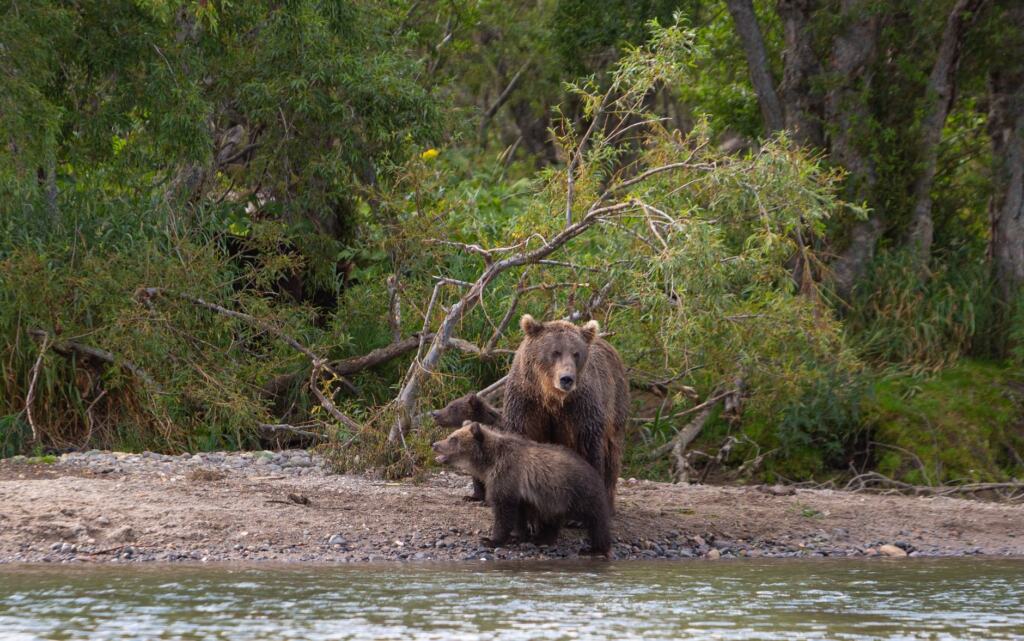
The Gobi bear is described as the only bear on Earth adapted to true desert. That distinction separates it from every other bear and is why it earns a place at the top of any Gobi species list.
Its conservation story centres on the Great Gobi Strictly Protected Area. Illegal mining activities within the Great Gobi A pose a significant concern for the bear there, so protection on paper does not remove pressure on the ground.
This entry suits readers who care about conservation more than photography. If you are choosing a route, do not build it around a bear sighting. Plan around species with named viewing places and treat any bear encounter as a bonus.
Snow leopard in the Gobi Altai
Yes, snow leopards live in the Gobi region, but in the mountains rather than on the desert floor. They haunt the mountain ranges that rise from the desert such as the Tian Shan and the Gobi Altai.
That habitat is the key planning fact. A desert crossing by vehicle will not put you in snow leopard country, while time in a high range will. This entry suits travellers already heading to the Gobi Altai who want to know what else shares those slopes.
Its limit is certainty: the cat is a mountain predator, so even in the right range a sighting should be treated as a privilege. Current range maps and population estimates for Mongolia are best taken from the IUCN Red List and the Mongolian Ministry of Environment rather than from travel summaries.
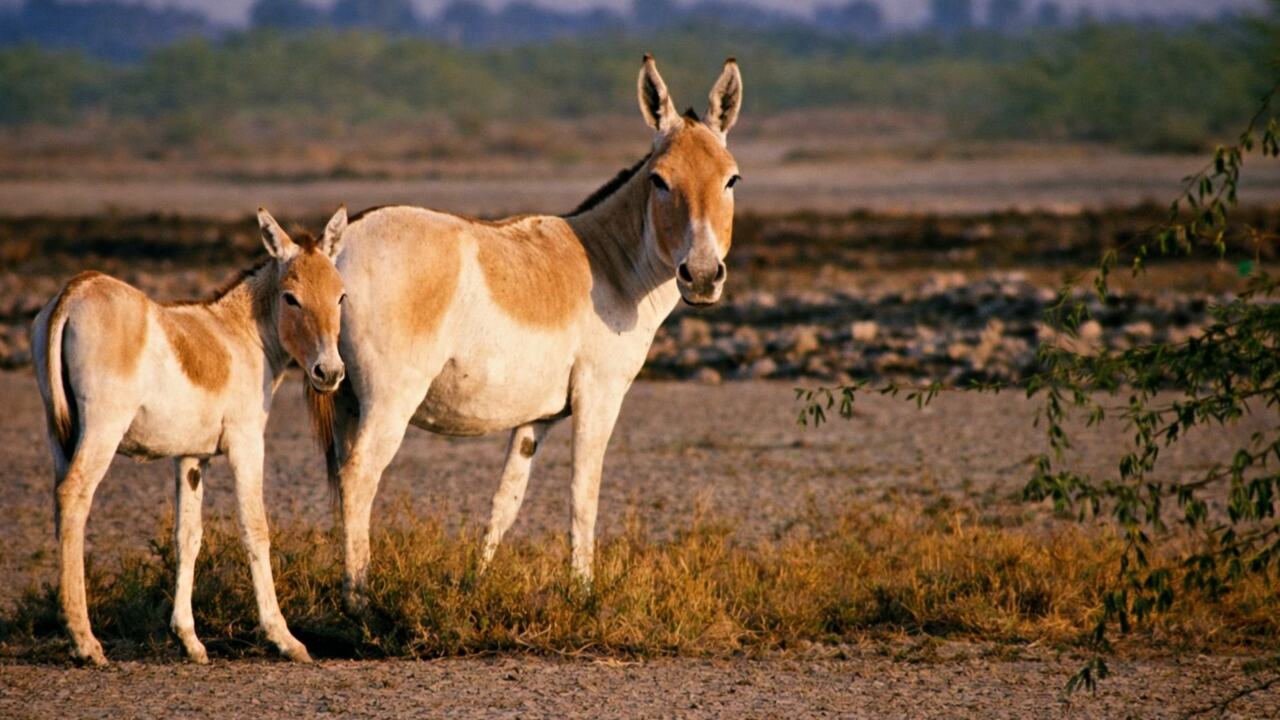
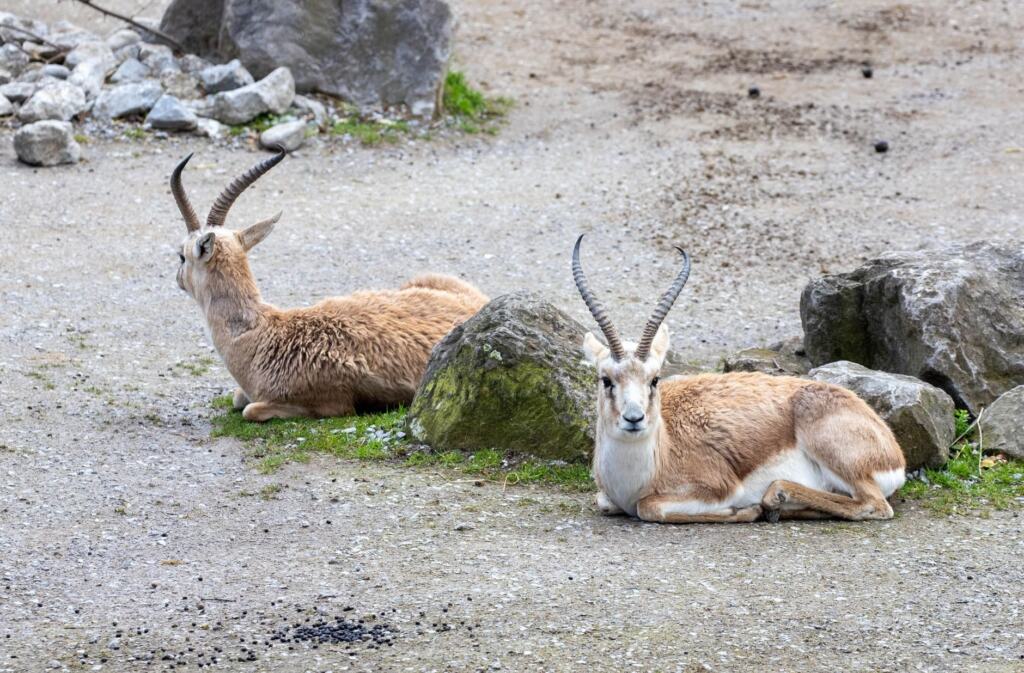
Goitered gazelle and other grazers
The goitered gazelle is built for escape. It sprints up to 60 kilometers per hour to outrun wolves and eagles, which is a ceiling for short bursts, not a cruising pace.
For visitors this matters because a fast, wary grazer is usually watched from a distance. Bring binoculars and stay in the vehicle or well back, and the animals are more likely to keep feeding. It is the most realistic large-mammal sighting in this directory for travellers who stay on open ground.
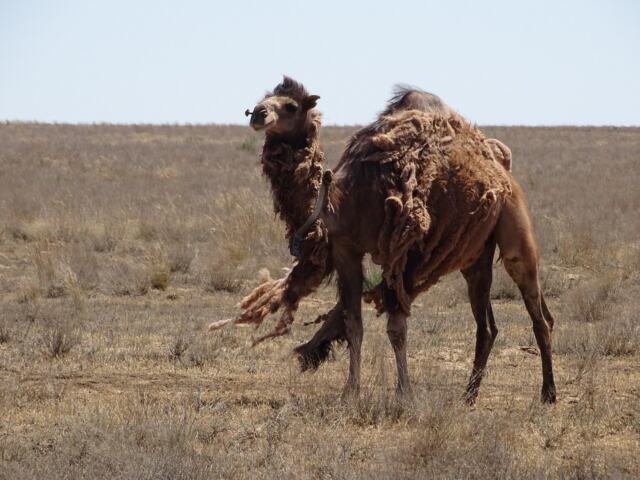
Camels belong in any conversation about large Gobi animals, and they have a dedicated guide to gobi desert camels.
Argali and Siberian ibex
Argali and Siberian ibex share the high ground with the snow leopard, which hunts ibex and argali across near-vertical terrain. Seeing either one tells you that you are in the right kind of terrain for the cat.
Both are protected by law. Argali are protected under Mongolian law, and hunting them is strictly prohibited, and ibex are likewise legally protected with hunting prohibited. For a visitor, that means watching and photographing are the only acceptable ways to take part.
Gobi reptiles
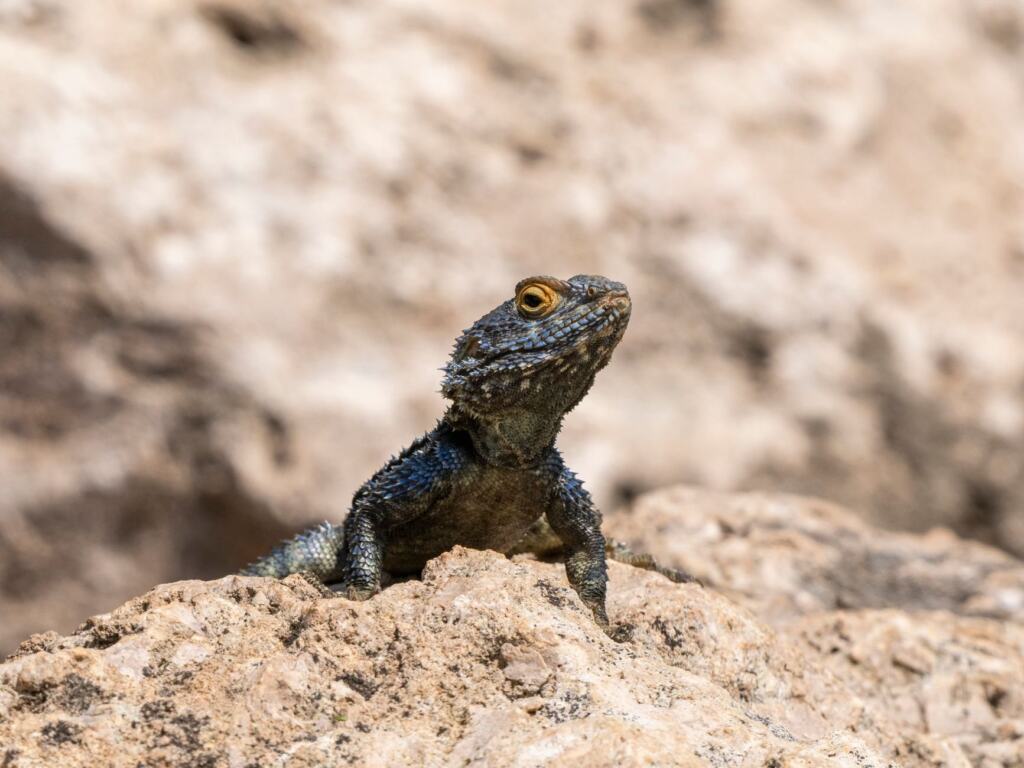
Reptiles are the hardest group to plan for, so treat lizards and snakes as incidental sightings rather than a goal. The one species with a safety implication is the Gobi pit viper, whose venom is neurotoxic.
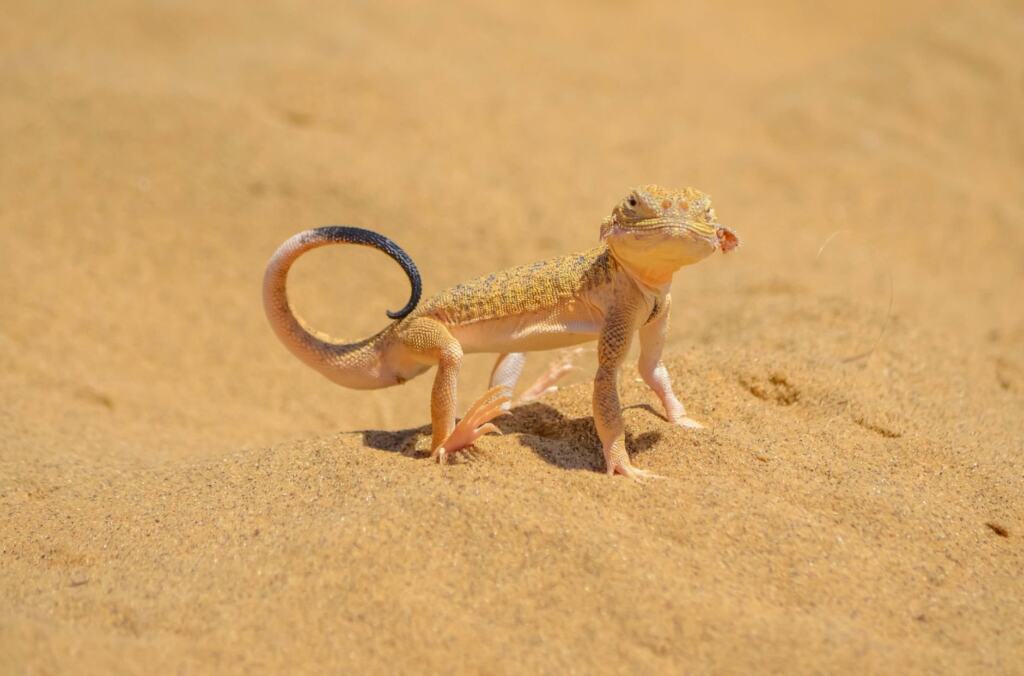
Lizards such as agamids are the reptiles most likely to turn up on rocks and open ground. Look at sun-warmed stone and keep your distance from anything you cannot identify, particularly around crevices and low scrub.
Fossil animals from long before any of these species are a separate subject, covered in gobi desert dinosaurs.
Gobi birds
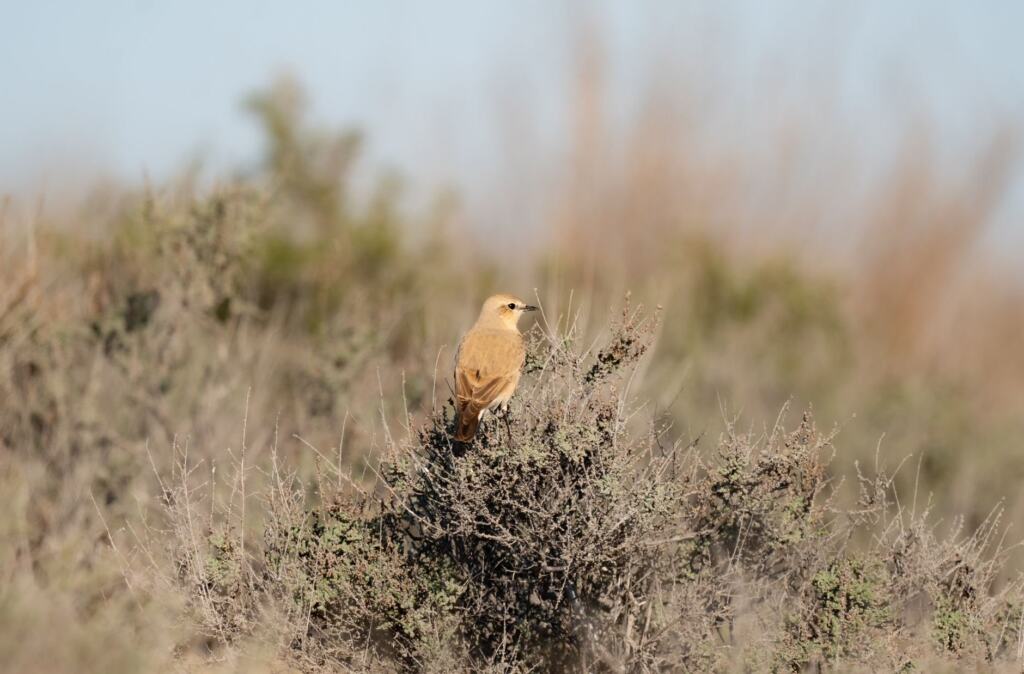
The lammergeier is the bird to plan around, because Yolyn Am gorge is one of the best places to spot lammergeiers. A named place makes this the most practical wildlife target in the Gobi, and it suits visitors who want one reliable stop rather than a long search.
Pallas’s sandgrouse is the other bird worth knowing, for an unusual survival habit covered in the questions below. Beyond these two, treat desert birds as part of the scenery: look for them around gorges, shrubs and any patch of water.
Endangered and protected animals
Two kinds of protection appear in this directory. Argali and ibex are legally protected in Mongolia, with hunting prohibited, while the Gobi bear faces a different threat, illegal mining inside the Great Gobi Strictly Protected Area.
Legal protection and global conservation status are not the same thing. For the current category of any species, such as vulnerable or endangered, check the IUCN Red List directly before quoting a status, because categories are revised over time. In the field, the most useful response is simple: keep distance, stay on tracks and do not buy or collect animal parts.
Decision checklist
- Start with the lammergeier. Yolyn Am gorge gives a named place and the best odds of a rewarding sighting.
- Add the mountains for snow leopard country. Include the Gobi Altai only if you are willing to spend time on high ground.
- Carry binoculars for gazelles. Wary, fast grazers are watched from afar.
- Treat the Gobi bear as a bonus. Do not choose a route for it.
- Respect snakes and protected species. Give the pit viper space and never disturb argali or ibex.
Frequently asked questions
What do Gobi bears eat?
According to WorldAtlas, the Gobi bear survives on roots, wild rhubarb, berries, rodents and the occasional carcass.
Is there an antivenom for the Gobi pit viper?
No antivenom is known, according to Mongolia Tour, so the safest approach is to avoid contact with any snake.
How do sandgrouse carry water to their chicks?
Male Pallas’s sandgrouse soak water into their belly feathers to carry it to their chicks.