Quick answer: Khongoryn Els suits a sunset climb, provided you arrive by 4×4 with energy to spare and stay off the slope at midday. The face is steep and the sand is strenuous underfoot, so choose your hour before your route.
This dune field is one of the headline stops in our gobi desert facts overview. It sits inside gobi gurvansaikhan national park, and the decisions below follow the order most visitors face: when to go, how to get there, how to climb, and what to expect from the sand itself.
Choosing your hour on the dunes
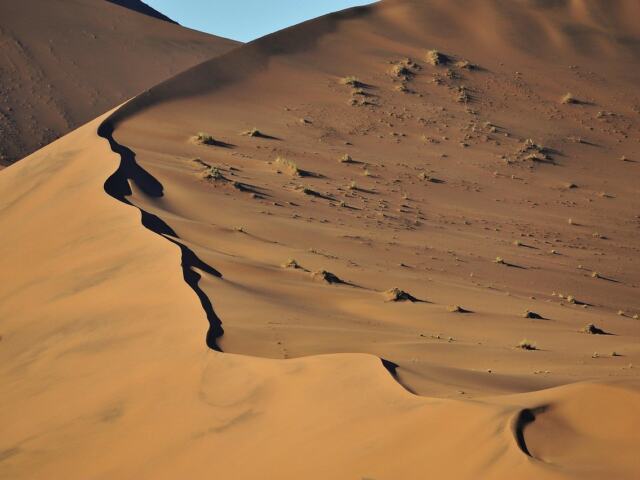
The time of day matters more here than almost anything else, because the climb is demanding and the dunes look different from the summit than from the desert floor. Sunset is the slot most guides recommend for climbing, while sunrise suits people who want to watch the dunes light up without making the ascent.
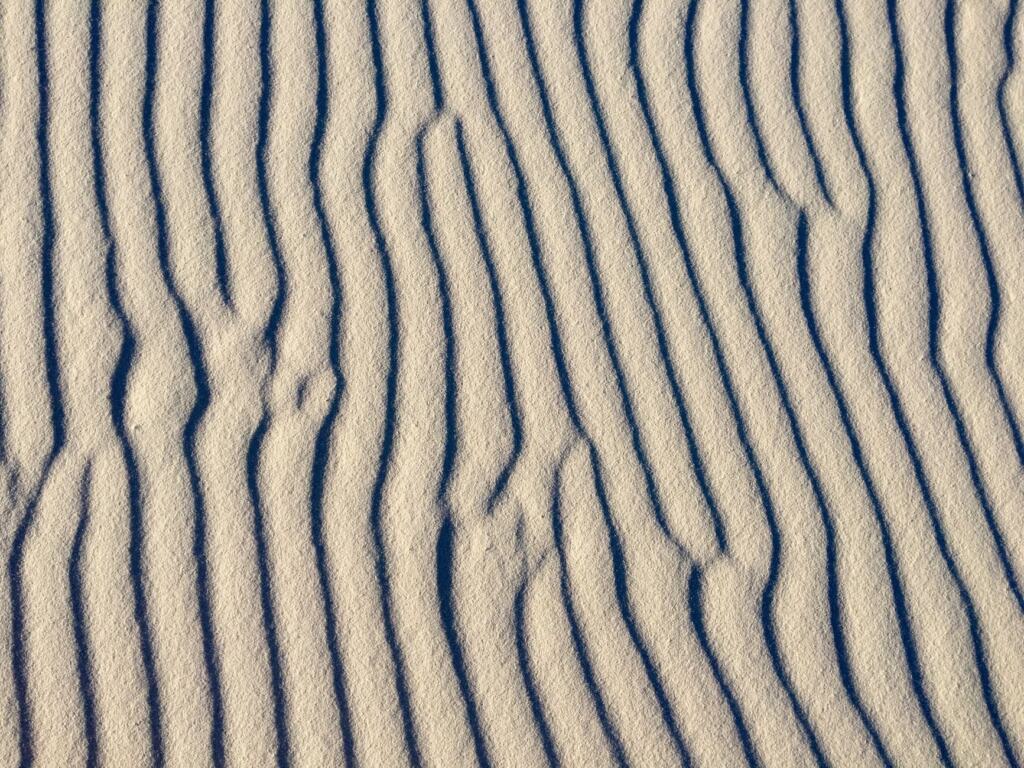
| Time of day | What it suits | Planning use |
|---|---|---|
| Sunset | Climbing the dunes | Make this your main slot if the summit effort is the point of the visit. |
| Sunrise | Watching the dunes light up from the desert floor | Choose it if you would rather view the slope than climb it. |
| Early morning and late evening | Climbing the sand | A flexible alternative if sunset does not fit your driving day. |
| Midday | Not advised for climbing | Use the middle of the day to rest, because the climb is steep and strenuous. |
Timing advice here comes from Beyond the Bucket List and View Mongolia.
Sunset or sunrise
Pick sunset if you want both the physical challenge and the evening view in a single outing. Pick sunrise if you are travelling with people who will not enjoy the climb, since the dunes can be watched lighting up from the desert floor. If you can only manage one, sunset is the better choice for active travellers because it combines the climb with the colour of the evening.
The exact clock time of sunset shifts through the season, so check the local time for your date. Begin the ascent with a generous margin, because progress on sand is slow and you will want to be settled near the top before the light changes.
Reaching the dunes from Dalanzadgad
The one firm route requirement is vehicle type: the approach from Ulaanbaatar via Bulgan to Khongor needs a 4×4, according to Birding Places. Confirm the current route locally before you set out.
Khongoryn Els is in Gobi Gurvansaikhan National Park, in Umnugovi Province, southern Mongolia. Travellers who build a longer itinerary around the park can find the surrounding sights in our guide to gobi gurvansaikhan national park.
- Vehicle: a 4×4 is the supported baseline, so a hired or arranged 4×4 is worth the cost.
- Arrival time: aim to reach the dunes with enough daylight left to rest before a sunset climb, instead of arriving and climbing straight away.
- Fallback: if you reach the area at midday, treat it as a rest period and plan to climb later in the day.
Climbing the dune face
What the climb is like
The climb is steep and strenuous, and walking in the sand is quite difficult, as Beyond the Bucket List describes it. Another traveller account on Travel Buddies compares the experience to one step forward and two steps back on sand. That image is useful for planning: the summit takes longer than the slope looks, because loose sand gives way with each step.
Pacing the ascent
The climb suits people with reasonable fitness and no urgent deadline. If you are unsure, go partway, stop where the view opens up and come back down before the light fades. Early morning and late evening are the recommended climbing windows, and the midday sun is the main thing to avoid because the slope is already hard work without it.
Turn back sooner rather than later if the group has split in pace. A slower climber can enjoy the lower slopes and the view from the base, which is where sunrise watchers are best placed anyway.
The dune base: rivers, pasture and camels
The dunes are not an isolated sea of sand. Narrow rivers called the Khongor river and Seruun Bulag run right at the foot of Khongoryn Els, according to Travel Buddies. The contrast between sand and water makes the edge of the dune field worth a slow walk before or after the climb.
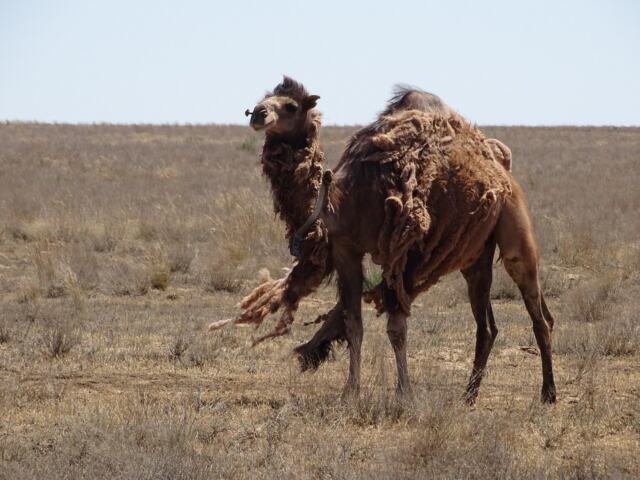
Camel riding is the other base-level activity, and it works well as a gentler alternative for anyone who does not want the ascent. Camels also give a sense of the scale of the dunes when seen against the slope.
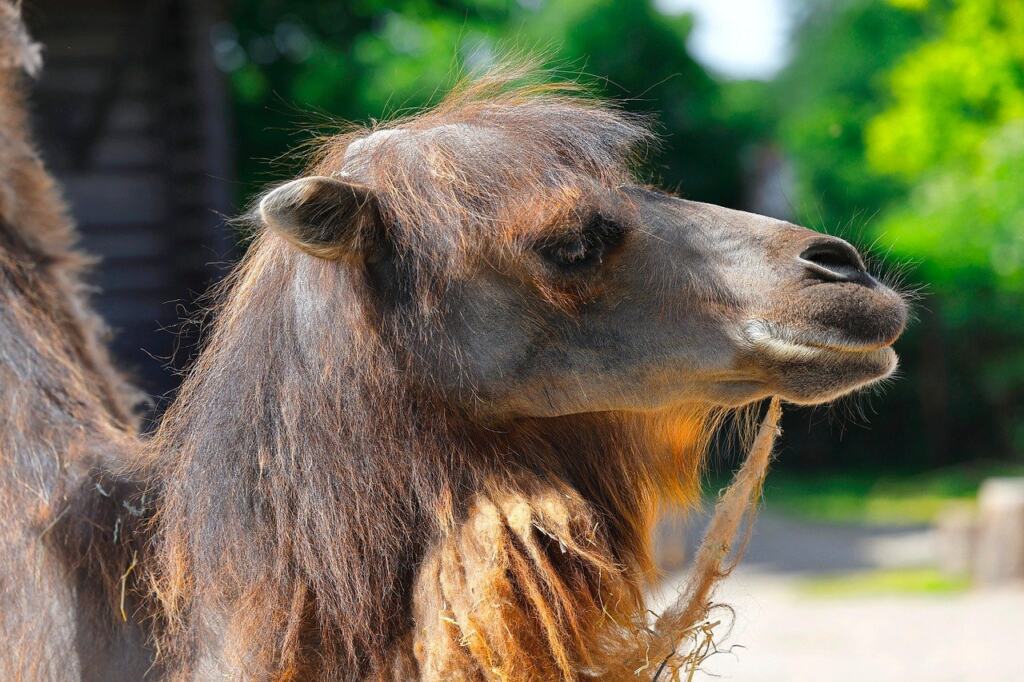
The Bactrian camel is the animal associated with riding here. Treat a ride as a distinct activity from the climb and give it its own slot in the day rather than squeezing it in before dusk.
Singing sand and the sound of the dunes
The dunes are known for singing sand, and the sound is the reason local people call them Duut Mankhan, which means singing dunes, according to Travel Buddies. That answers why the dunes are said to make a booming or singing sound: the sand itself is the source, and the name is the local record of it.
Treat the sound as a bonus rather than a reason to choose a date. Whether it is audible on a particular visit depends on the sand and the day, so plan the trip around timing and the climb, and listen as you go.
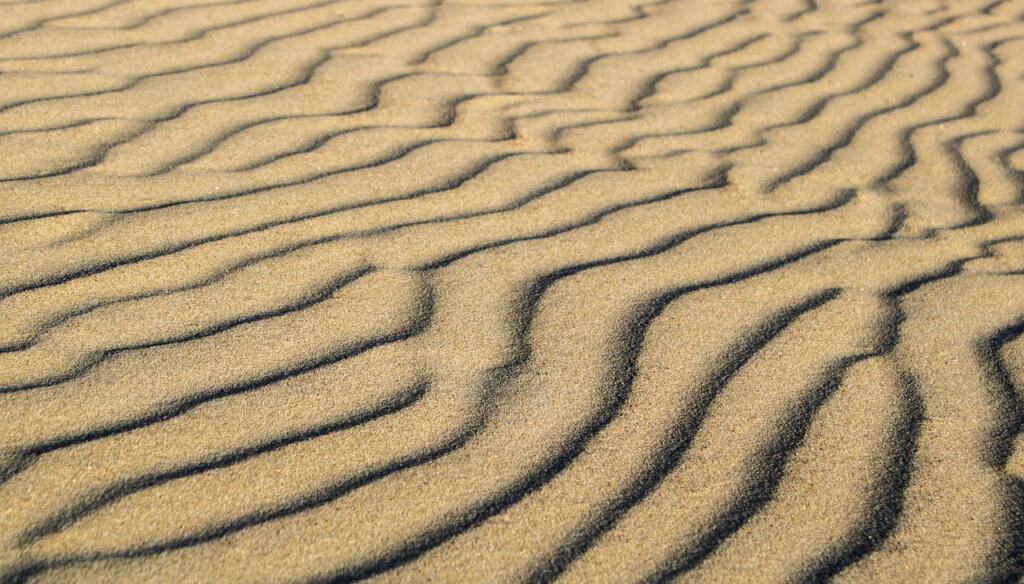
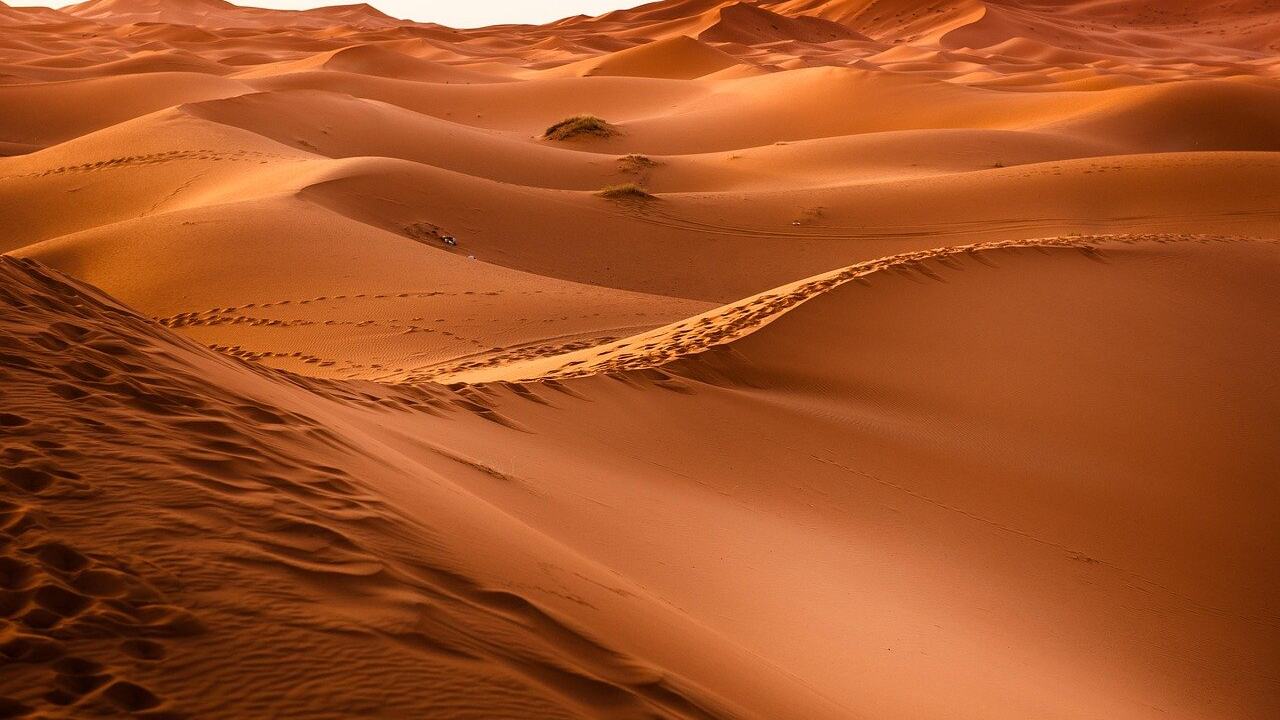
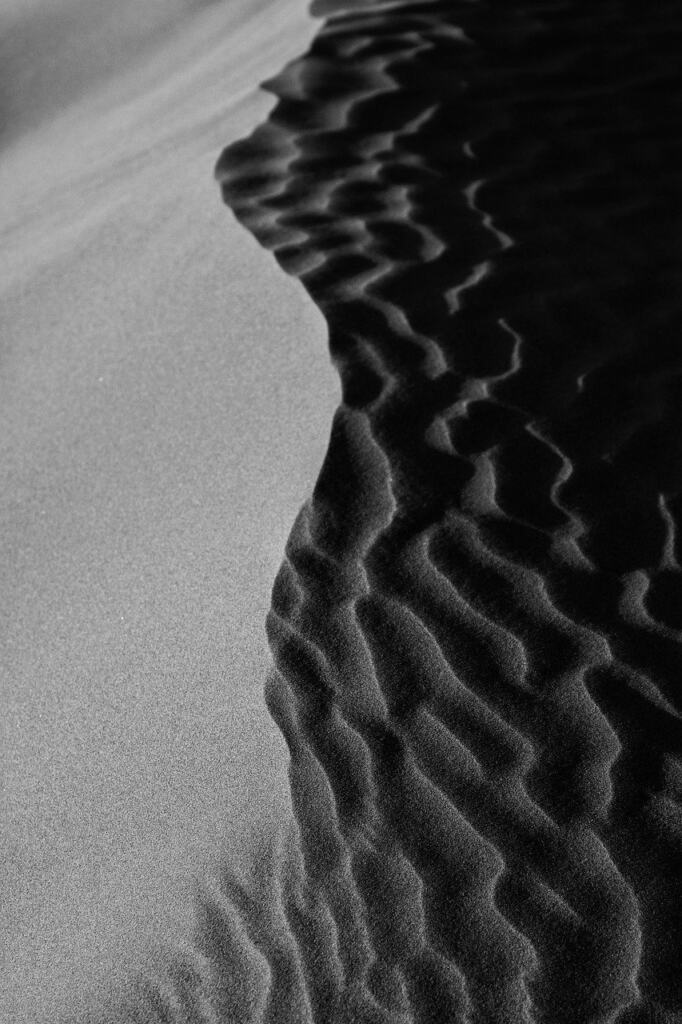
A close look at the sand surface is a good use of a pause on the way up. Wind-shaped ripples are easy to see and photograph at low angles of light, which makes the evening and early-morning windows the best for that as well.
Season, wind and temperature
Peak season runs from May to October, according to Beyond the Bucket List, so those are the months with the most visitors and the most established routines for drivers and camps. September is singled out by Travel Buddies as a good month, with nice and warm autumn days.
Wind is the condition most likely to change your plans. During high winds, the dunes almost disappear in a slew of freshly stirred-up sand, which removes the view you came for and makes the climb unpleasant. If the forecast or the morning looks windy, shift the climb to the next available sunrise or sunset rather than forcing it.
Troubleshooting on the day
- Wind is stirring up sand: wait for calmer air, because the dunes can almost vanish from view in high winds.
- You arrive at midday: rest and hold the climb for early evening, since midday climbing is not advised.
- The climb stalls: stop and enjoy the view from where you are, as progress on loose sand can feel like one step forward and two steps back.
- Someone in the group does not want to climb: send them to the dune base for the rivers or a camel ride, then regroup afterwards.
Visitors who are comparing Mongolian dunes with the Chinese side of the desert can read about the gobi desert in china to see how the landscape changes across the border.
Frequently asked questions
Where are the Khongoryn Els dunes?
They are in Gobi Gurvansaikhan National Park, in Umnugovi Province, southern Mongolia.
Can I climb in the morning instead of the evening?
Yes. Early morning and late evening are both recommended climbing windows, and midday is the period to avoid.
How long does a camel ride at the dunes take?
A camel ride usually takes about one hour, according to Travel Buddies.