Gobi desert wildlife is easiest to plan by choosing a species first, because each lives in a different place. Przewalski’s horses are the easiest to see, at Khustai National Park; Gobi bears and wild camels are rare.
The first decision is how far from Ulaanbaatar to travel. A day trip reaches reintroduced horses, while the Gobi’s rarest animals sit further south and ask for longer, less predictable journeys. This guide ties each species to the place that protects it, its conservation status and the practical limits on seeing it. Habitat context sits in the gobi desert ecosystem guide, which covers the ecoregions that shape where each animal lives.
Choosing where to start
Choose by criteria rather than by a species checklist. A few questions sort most trips: how much time you have, how much uncertainty you will accept, and whether you want to see an animal or simply travel through its habitat.
- You have a short window near Ulaanbaatar. Go to Khustai National Park for Przewalski’s horse, known in Mongolian as takhi. A Mongolian travel guide calls it the easiest place to see them, a day trip from the capital. Nothing else in this guide is as simple to reach.
- You can travel south and accept some misses. Southern Mongolia is the better choice for wild ass, gazelles and mountain wildlife. The IUCN contribution for the Gobi describes the desert as an important stronghold of the Asiatic wild ass, and notes that its large mammal fauna includes several rare or globally threatened species.
- You want the rarest animals. The wild Bactrian camel and the Gobi bear are the headline species, and both are scarce. Treat them as reasons to visit a protected landscape, not as sightings to count on.
- You care most about conservation context. Read each species alongside its status and the pressures on its range. The sections below give that for every animal in turn, and the final table pulls the choices together.
IUCN lists the wild Bactrian camel, Gobi bear, snow leopard, argali and Asiatic wild ass among the rare or globally threatened large mammals of the Gobi. Those species anchor the sections that follow, starting with the one that is hardest to see and easiest to misidentify.
Wild Bactrian camel
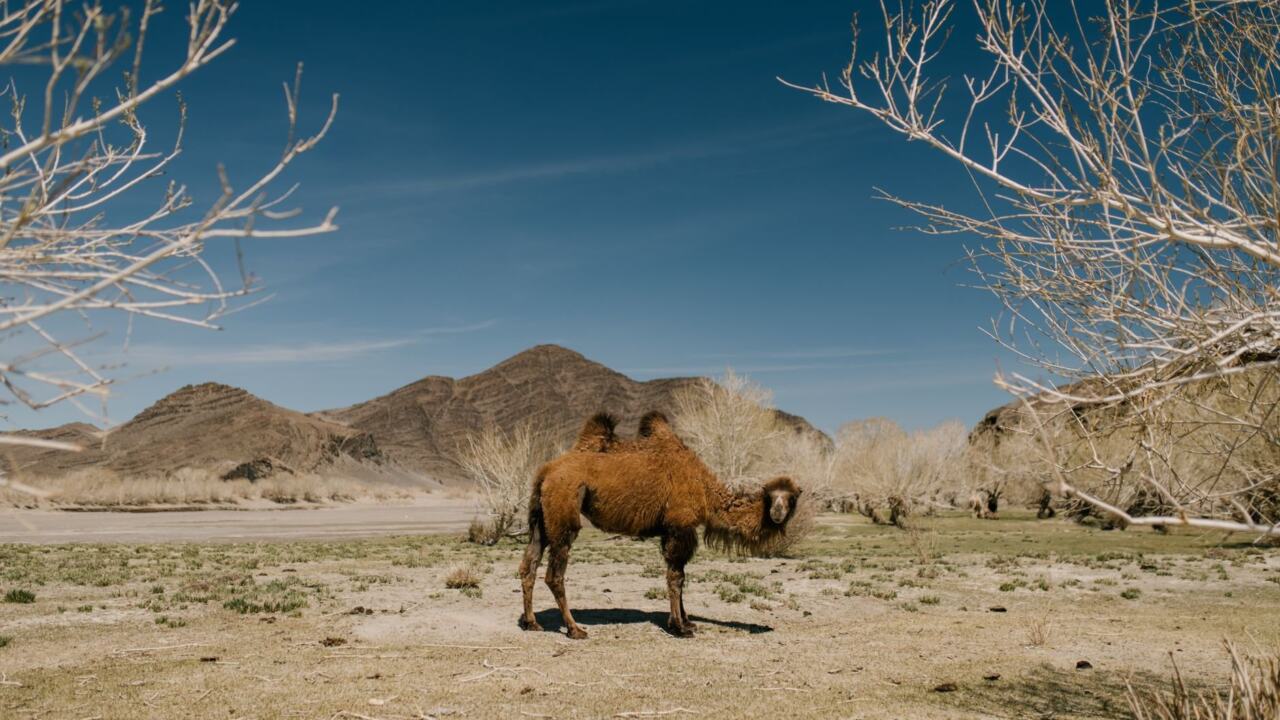
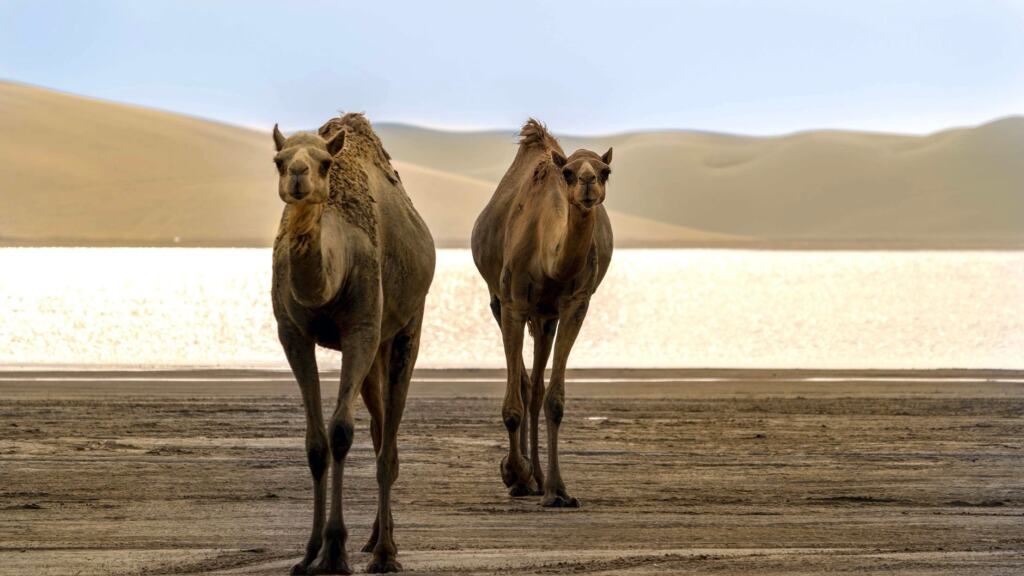
Yes, there are wild camels in the Gobi, but very few. The wild Bactrian camel was placed on the critically endangered species list in October 2002, when an estimated 950 remained in the wild across northwest China and Mongolia, according to the Mongolian travel guide summary of its status. That figure is a snapshot from the listing, so read it as an order of magnitude rather than a current count.
The practical lesson is to separate the species from the camels you meet on the road. A two-humped camel in a photograph or beside a track is not automatically a wild one, and a trip that promises wild camels needs a guide or park staff who can say which animals are which. If wild camels are your main goal, plan to travel in the Gobi’s protected areas with specialist support. If they are a bonus, enjoy the landscape and keep expectations modest.
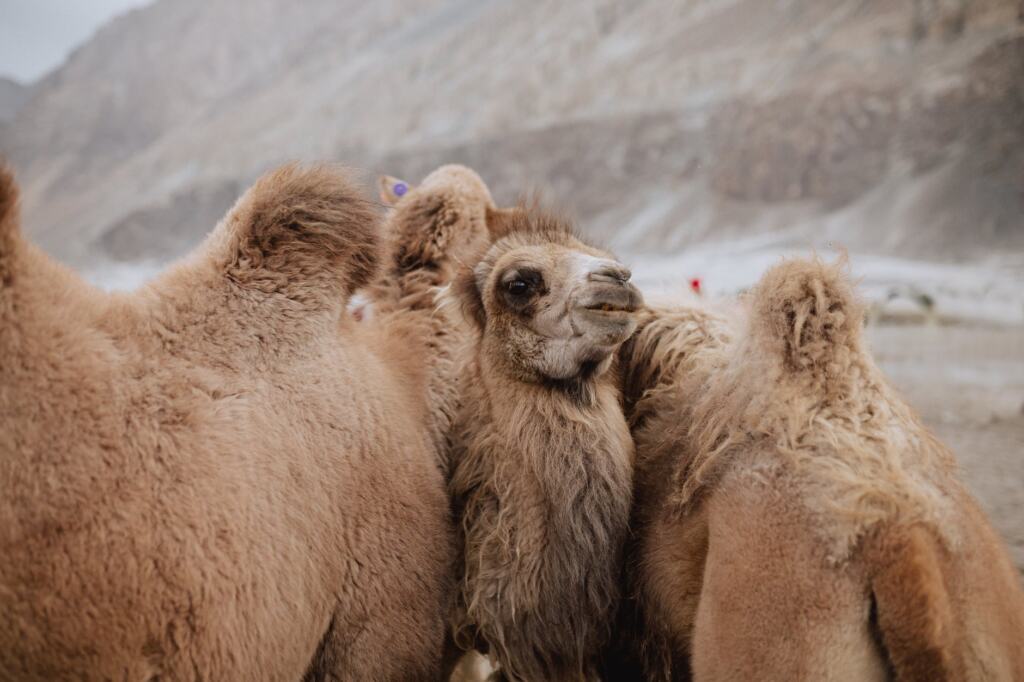
For deeper background on the animal itself, the IUCN library catalogues a 2002 monograph from the Wild Camel Protection Foundation, The king of the Gobi: the story of the wild Bactrian camel. The bactrian camel gobi desert guide takes the species further than this overview does.
Przewalski’s horse: where to see takhi
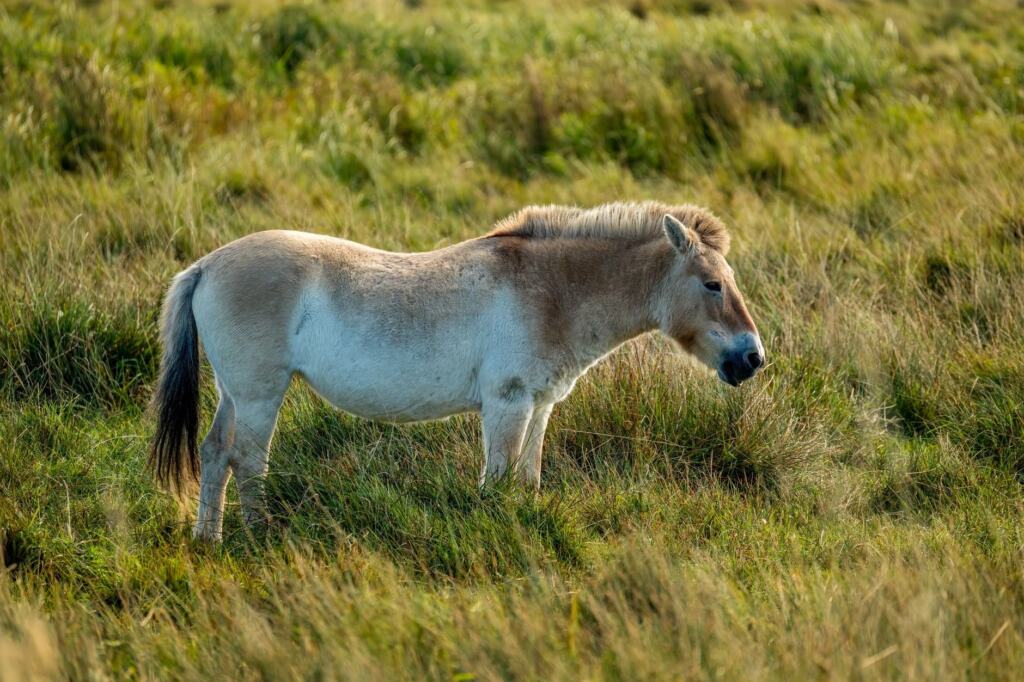
Przewalski’s horses live at reintroduction sites in Mongolia, and the practical answer to where you can see them is Khustai National Park. The same travel guide lists the sites where takhi live as Khustai National Park, Great Gobi B and Khomiin Tal, and singles out Khustai as the easiest, a day trip from Ulaanbaatar.
That gives a clear way to choose between the sites:
- Khustai National Park. Best for travellers with limited time, or for anyone who wants a dependable wildlife experience before heading further afield.
- Great Gobi B. A section of the great gobi strictly protected area. It suits a longer Gobi itinerary where horses are one stop among several species.
- Khomiin Tal. The third named reintroduction site. It is worth asking an operator about if your route passes near it.
Because these horses are reintroduced rather than continuously wild, the horses you see tell a conservation story. They are the result of a recovery programme, and the przewalski’s horse mongolia guide covers that history and what separates the sites.
Gobi bear (mazaalai)
The Gobi bear is Mongolia’s rarest animal, and it is found in the southwestern part of the Gobi, according to the travel guide. It is the species where planning around a sighting makes least sense. An Asia Society article from 2013 reported that the extant population was most recently numbered at 22.
What sets the Gobi bear apart
The same article gives several details that explain both the animal’s appeal and the difficulty of seeing it:
- Size. Mazaalai are smaller than their forest relatives, weighing 70-140 kg.
- Range. Habitat for a Gobi bear ranges between 650-1200 km2, against 12-15 km2 for forest bears. A range that wide spreads a very small population thinly.
- Diet. Less than ten percent of the diet is insects and reptiles. The rest is plants, roots and berries.
- Winter behaviour. Gobi bears hibernate in winter, so winter is not a time to look for them.
Conservation funding
Roughly US$200,000 was allocated by the government in 2013, compared with approximately US$140,000 in 2005. Read these as figures from that period, not as current budgets. They still show a species where a small amount of money and a small number of animals make the margin for error thin.
For most travellers the sensible plan is to learn about the bear rather than hunt for it. The gobi bear guide covers the species in depth, and a trip to the southwestern Gobi should be justified by the landscape and its other animals.
Snow leopard, argali and the mountain wildlife
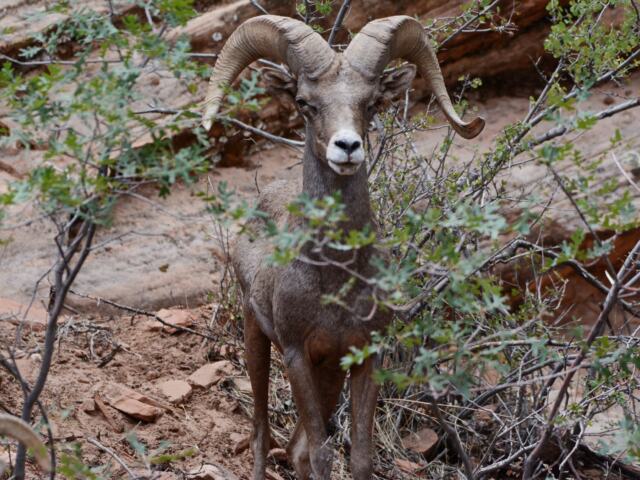
The snow leopard and argali are on IUCN’s list of rare or globally threatened Gobi large mammals, and the South Gobi has a named protected landscape for the mountain end of this fauna. Tost Toson Bumbiin Nuruu, home to snow leopards, ibex and gazelles, was named a UNESCO Biosphere Reserve in 2026, according to the travel guide.
For planning, this belongs in the group of destinations for patient travellers. Snow leopards are not a species to promise on an itinerary, and a visit to this landscape is best framed around its mountains and wider wildlife. The snow leopard mongolia guide covers the cat, while argali sheep mongolia looks at the wild sheep and ibex that share its terrain. For the animals that hunt across the region, gobi desert predators places the leopard alongside other carnivores.
The IUCN contribution adds a warning that applies here. Rapid expansion of mining, coupled with extensive national road construction plans, could drastically affect Gobi biodiversity. IUCN gives no quantified figure for that impact, so treat it as a stated risk and not a forecast.
Khulan, gazelles and the open-plain grazers
The Asiatic wild ass, called khulan in Mongolian, is the open-plain animal with the strongest Gobi claim. IUCN calls the Gobi an important stronghold of the species. The travel guide reports that a 2003 survey found approximately 20,000 individuals over an area of 177,563 km2 in southern Mongolia, and that the earlier 1994-1997 survey gave 33,000-63,000. Its conservation status is evaluated as vulnerable.
Those two counts should be read together with care. They come from separate surveys, so they show a range of estimates rather than a measured decline, and neither is a current census. What they do establish is scale: khulan range across a very large area of the south, which makes a route through southern Mongolia the practical way to look for them. The asiatic wild ass mongolia guide covers the species in more detail.
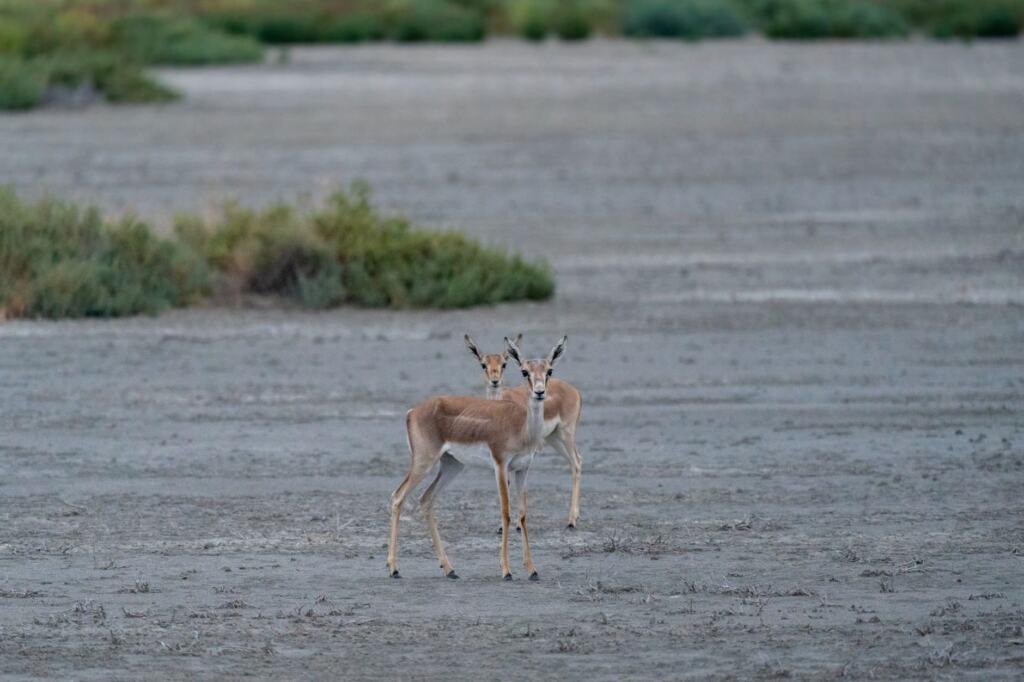
Gazelles are the other open-plain grazers on the route, and the South Gobi mountain landscape above names them among its wildlife. The mongolian gazelle guide separates the gazelle species and shows how to tell them apart. Choose grazers if you want likelier sightings than the bear or leopard offer, but accept that they still depend on route, ground and luck.
How desert animals survive with little water
Desert animals survive by combining body features, behaviour and range, and the Bactrian camel shows the clearest example. The travel guide describes it as capable of drinking up to 120 litres (32 US gallons) of water at a time. That is a ceiling for one drinking session and not a daily need, so it should not be read as a typical figure.
The camel’s other features suit hard, dry ground. It has wide, padded feet, thick leathery pads on the knees and chest, and closable nostrils. Each answers a separate problem: broad feet spread weight across loose or rough ground, pads protect where the body meets the ground, and closable nostrils help with blowing sand.
Other Gobi animals manage the same conditions differently. The Gobi bear hibernates in winter, and it covers a very large range, as the Asia Society article describes. The broader survival picture is covered in the gobi desert animal adaptations guide. For viewing, the useful takeaway is that dry-country animals are often tied to the few places that hold water or food, so observation points matter more than distance covered.
Plants, birds, reptiles and small animals
The Gobi’s plants matter for wildlife viewing because the largest and most visible animals depend on them. The Gobi bear’s diet is mostly plants, roots and berries, with less than ten percent insects and reptiles, according to the Asia Society article. That makes vegetation a central part of the animal’s survival, not just scenery. For the woody plants that shape desert habitat, the saxaul tree guide is the place to start.
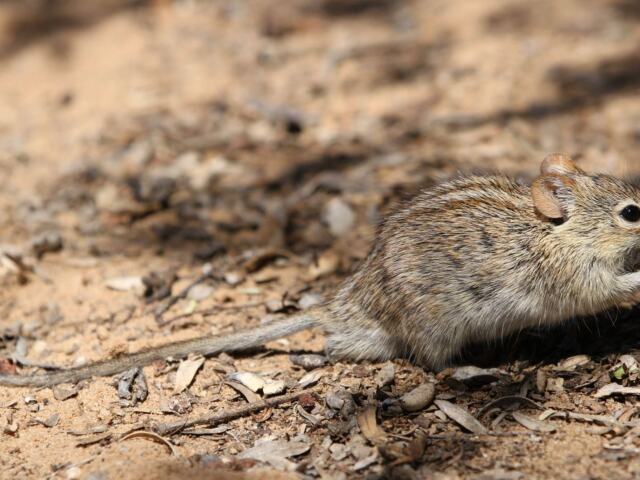
Smaller animals fill out the picture. Mongolia is home to 136 mammal species and nearly 400 kinds of birds, which means the bird list is large by comparison with the headline mammals. If you enjoy birding, the birds of the gobi desert guide is the better starting point than a list of large mammals. Reptiles also feature in the Gobi food web, and the reptiles of the gobi desert guide covers them. For the smaller mammals that feed larger predators and shape the ground, gobi desert rodents is the relevant guide.
Protected areas and the pressures on them
Protection in the Gobi is real but patchy. In IUCN’s mapped Gobi contribution area, Key Biodiversity Areas make up 3.1% of the area, according to the IUCN contribution. That figure is a measure of how much of the mapped area carries that designation, not a count of parks, and it shows why species-specific sites matter so much.
The named places in this guide each protect or host a specific animal:
- Khustai National Park. The easiest takhi site, a day trip from Ulaanbaatar.
- Great Gobi B and Khomiin Tal. Further takhi reintroduction sites.
- Tost Toson Bumbiin Nuruu. The South Gobi UNESCO Biosphere Reserve for snow leopards, ibex and gazelles.
- Southwestern Gobi. The range of the Gobi bear.
IUCN identifies rapid mining expansion and extensive national road construction plans as potentially drastic for Gobi biodiversity. Take that as a reason to see these animals responsibly: stay with licensed operators, keep to tracks, and keep distance from animals that are already under pressure.
Seasons and viewing practicalities
Season changes what you can expect, but it changes it differently for each animal. The clearest supported case is the Gobi bear, which hibernates in winter, so winter is the wrong time to look for it. For the other species, timing varies by park and by animal, so confirm it with the park or operator before you book, and do not assume one season suits everything.
A few practical choices follow from the species rather than the calendar:
- Start with Khustai if time is short. A day trip from Ulaanbaatar makes it the lowest-risk way to see a reintroduced species.
- Build a longer itinerary around several animals. Pairing khulan, gazelles and mountain wildlife gives more chances than betting on one rare species.
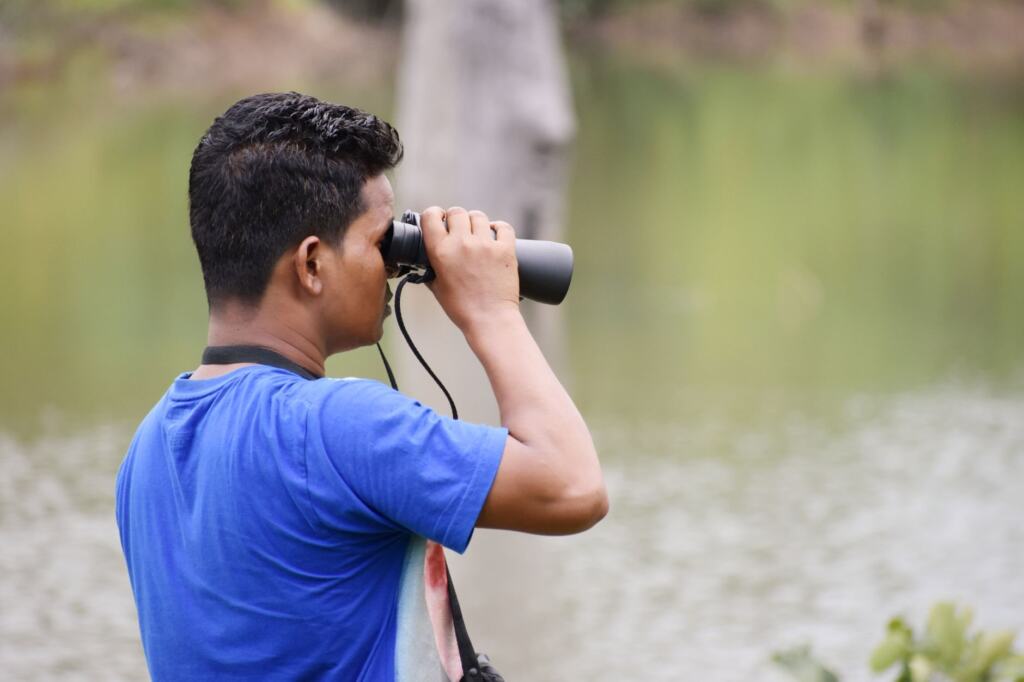
- Bring binoculars. Grazers on open ground and animals in mountain terrain are often distant, so good optics improve the experience more than extra mileage does.
- Match the guide to the goal. Birders, camel enthusiasts and snow leopard hopefuls each need different expertise.
Overview: matching species, place and status
The table below turns the decisions above into a single comparison. Use it to match your time, patience and goals to a place.
| Species | Place | Status or numbers | Planning use |
|---|---|---|---|
| Przewalski’s horse (takhi) | Khustai National Park | Reintroduction site; easiest to see, a day trip from Ulaanbaatar | Best first choice for a short trip |
| Przewalski’s horse (takhi) | Great Gobi B and Khomiin Tal | Further reintroduction sites | Add to a longer Gobi itinerary |
| Gobi bear | Southwestern Gobi | Mongolia’s rarest animal; population most recently numbered at 22 (2013 article) | Do not plan a trip around a sighting |
| Asiatic wild ass (khulan) | Southern Mongolia | Vulnerable; about 20,000 individuals over 177,563 km2 (2003 survey) | Travel through the south and scan open ground |
| Snow leopard, ibex, gazelles | Tost Toson Bumbiin Nuruu, South Gobi | UNESCO Biosphere Reserve, named in 2026 | The name to research for mountain wildlife |
| Wild Bactrian camel | Northwest China and Mongolia | Critically endangered; estimated 950 in the wild at the October 2002 listing | Treat as a rare bonus, not a target |
Figures in the table come from the Mongolian travel guide and the Asia Society article, and the dates shown mark when each figure was reported.
Frequently asked questions
How many mammal and bird species does Mongolia have?
Mongolia is home to 136 mammal species and nearly 400 kinds of birds, according to a Mongolian travel guide.
How tall is a wild Bactrian camel?
Bactrian camels stand over 2 m (7 ft) tall at the hump, as the same travel guide notes.
Is Gobi bear hunting banned?
Yes. An Asia Society article reports that Mongolia prohibited Gobi bear hunting as far back as 1953.
How close did Przewalski’s horse come to disappearing?
The Asia Society article says only around 12 were left in European zoos in the 1960s, which is why today’s Mongolian herds are reintroductions.
Where can I read more about the wild camel?
The IUCN library catalogues a 2002 Wild Camel Protection Foundation monograph, The king of the Gobi, which tells the story of the wild Bactrian camel.