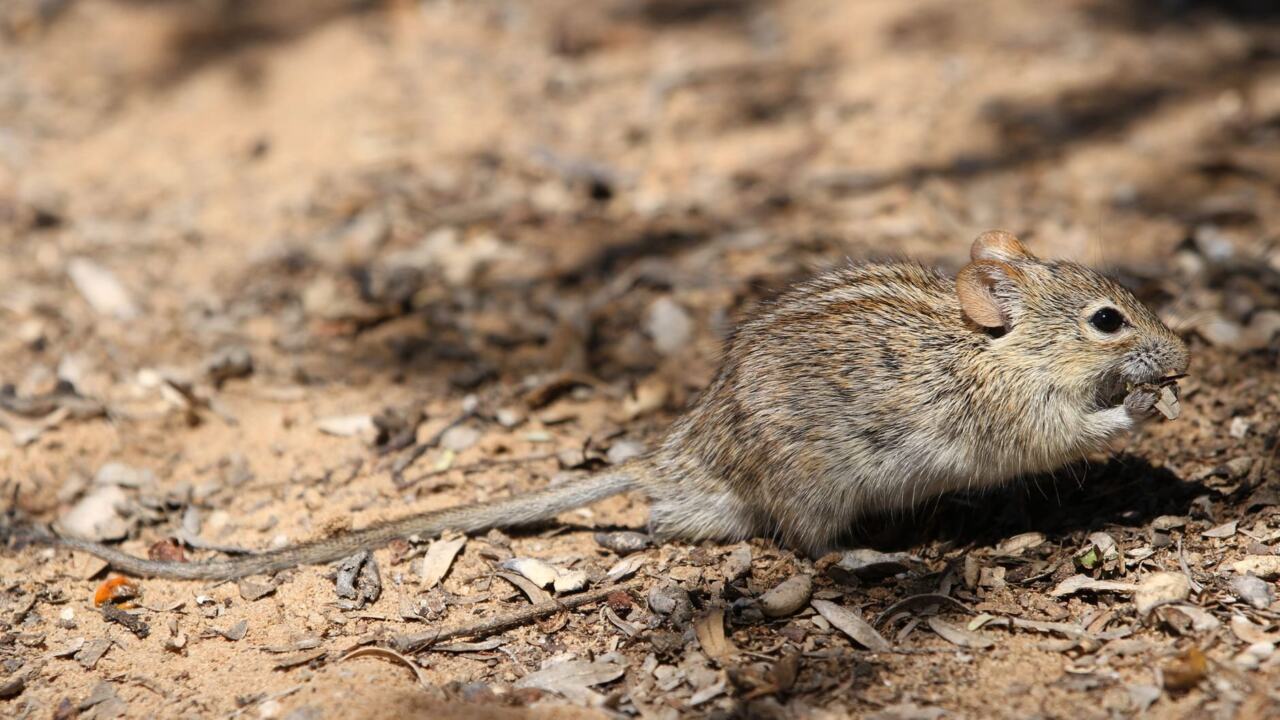
On a night in the Gobi, a small shape on the sand may be a jerboa, one of the gobi desert rodents: a nocturnal, mouse-sized species that spends the day resting in burrows.
The jerboa is the small mammal to plan around, because it is the one with a clear activity pattern, habitat and status. This guide belongs with the wider gobi desert wildlife coverage. For the larger hunters in the same landscape, see gobi desert predators.
Shortlist: which small mammals to look for
One recorded tally puts the Gobi’s mammals at 49 species, alongside 15 reptiles and 160 bird species, according to a Mongolian Gobi animal overview. Small mammals make up only part of that list, and the animals travellers ask about most are jerboas, hedgehogs, pikas and gerbils. They suit different kinds of outing.
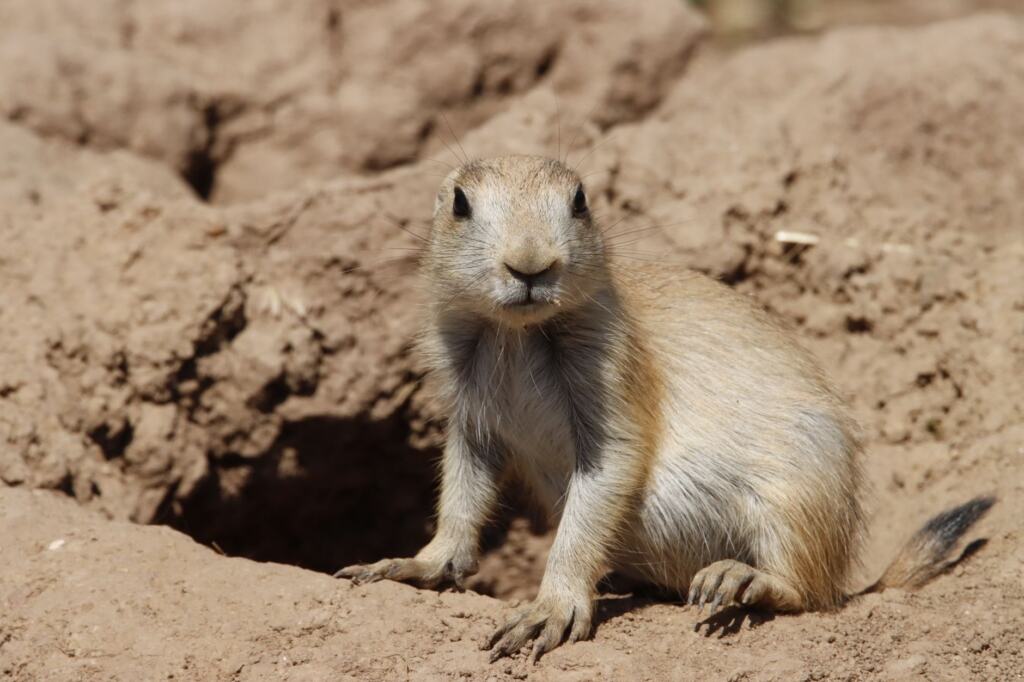
- Jerboa: the best first target for an evening or night outing on sandy ground, because its night-time habits are well described.
- Desert hedgehog: suits visitors who want a distinctive silhouette and are happy to scan open, pale ground.
- Pika: suits visitors who will stop at rocky ground and watch patiently from a distance.
- Gerbils: suit visitors who focus on burrows and ground-level signs rather than a single sighting.
If time allows only one target, choose the jerboa. The sections below give identification cues and the limits of each choice.
Jerboa
The jerboa is a small desert rodent of Mongolia, northern China and a wide band of Central Asia. It is the clearest example of a small Gobi mammal built around the night. It comes out after dark to look for seeds, and rests in burrows by day.
It also eats grasses, shoots, leaves, bulbs, roots and insects, so it is not tied to a single food. It suits visitors who can be out after dark and who accept that a sighting is brief. It does not suit anyone planning a daytime walk, because the animal is underground then. In the north of its range it hibernates from about November to March, so winter outings should not count on seeing one. Breeding is in summer, with two or three litters a year of about three or four young each.
A Gobi jerboa species profile supplies the measurements below.
| Attribute | Value | Planning use |
|---|---|---|
| Body size | Head and body 10–15.5 cm; tail 14.5–19 cm; weight 56–117 g | Mouse-sized, so look for a small animal with a long tail that ends in a black tassel. |
| Activity | Nocturnal; rests in burrows by day | Plan sightings after dark, not at midday. |
| Habitat | Sandy deserts and semi-deserts; sometimes sandy ground in pine forests | Choose sandy ground over bare rock. |
| Elevation | Mostly about 1,000–1,300 m; up to 3,000 m in the Altai | Lower sandy basins are the usual setting; higher ground is the exception. |
| Main burrow | Up to 2.5 m long and 1.5 m deep | The burrow is the daytime refuge, so a sighting needs the animal to emerge. |
| Winter | Hibernates underground in the north of its range, about November to March | Avoid depending on sightings in those months. |
| IUCN status | Least Concern; described as common | Not a rarity, but still easy to miss because of its habits. |
These figures come from the same species profile, which also reports the IUCN rating.
The tail is the most useful cue in poor light. A tasselled tail of 14.5 to 19 centimetres is longer than the head and body of the animal, which makes the silhouette distinctive even when the animal is only briefly visible.
Desert hedgehog
The Gobi desert hedgehog is the easiest small mammal to separate from the rodents, because a spiny back looks nothing like fur. In the photo below, the spines run across the back and the face is pale, set against open, gravelly ground.
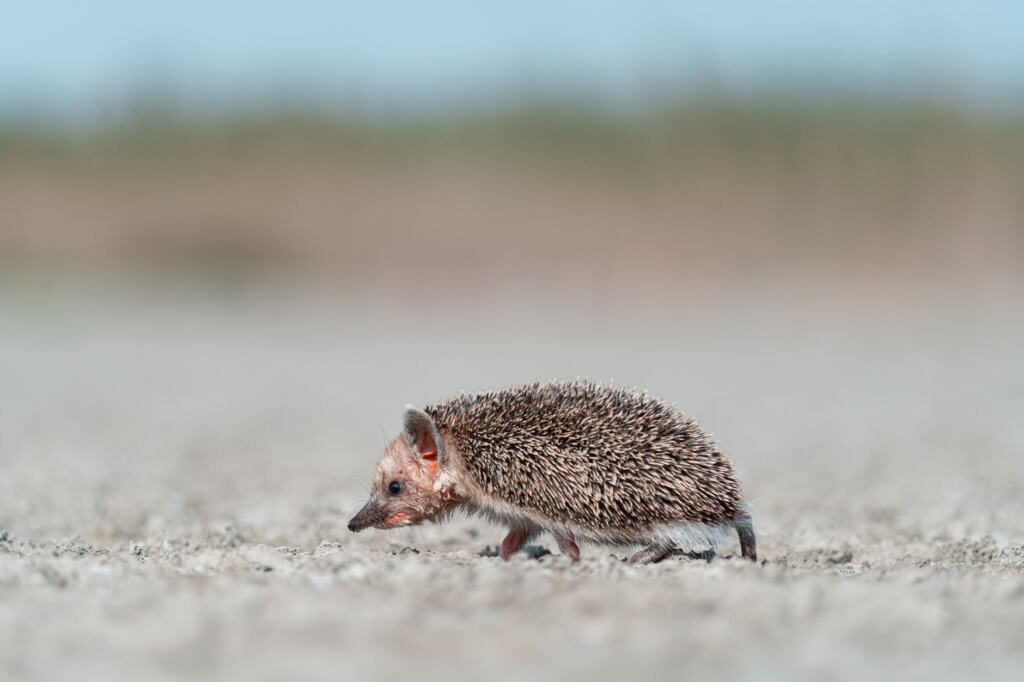
This option suits visitors who prefer scanning open ground to staring into burrows. Its limit is identification: several hedgehog species exist, so a regional field guide or a local guide should confirm which one has been seen before it goes in a notebook. Do not assume a species from a photograph alone.
Pika
Searching for a pika in Mongolia is a task of watching rock, not sand. Pikas are small, rounded mammals with short ears, and the animal in the photo sits upright on a lichen-covered rock.
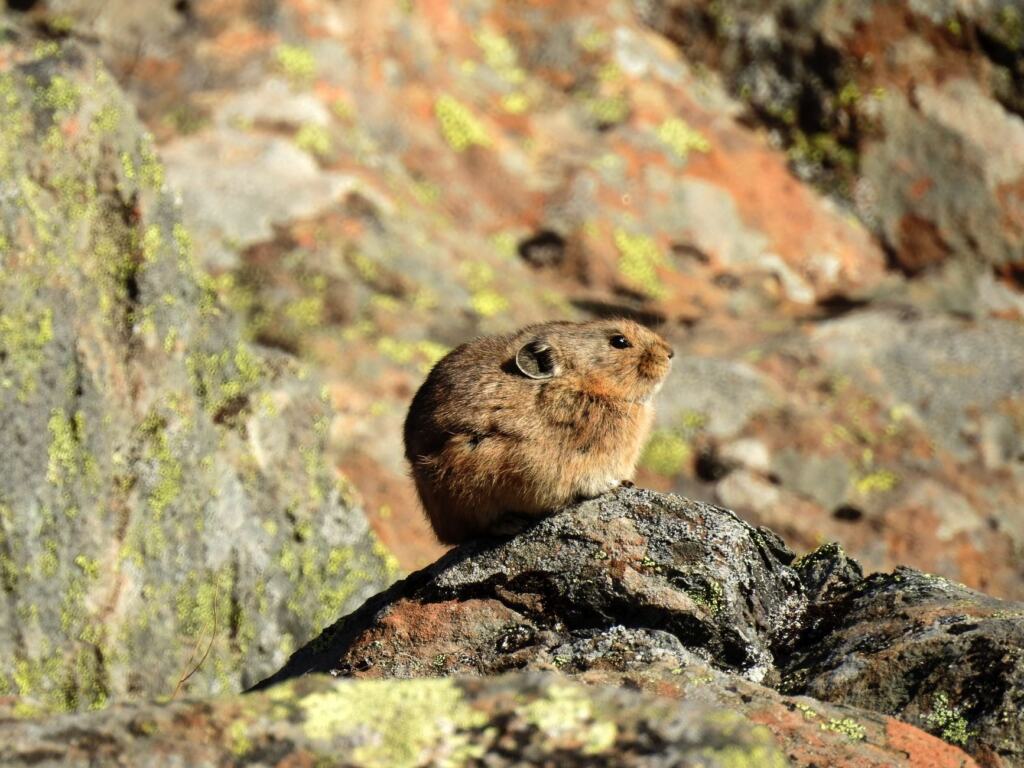
This choice suits patient observers who will sit still at a distance and let an animal settle. It is a weaker choice than the jerboa for a short trip, because an outing built around rocky ground gives no guarantee of a sighting. Match any animal to a species account for Mongolia before naming it.
Gerbils
Gerbils in Mongolia are the group most likely to be confused with jerboas, since both are small, burrowing desert rodents. The jerboa’s tail is the cue to use: a long, tasselled tail points to a jerboa, while a different tail and build point elsewhere.
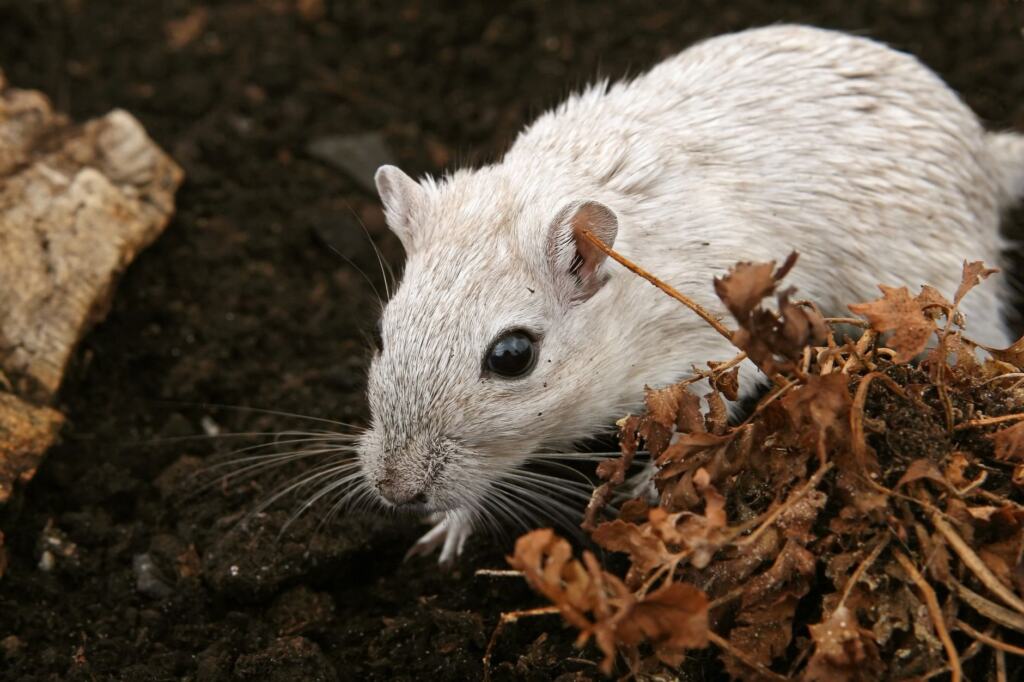
Gerbils suit visitors who are happy to spend time at ground level, noting size, tail and where the animal was standing. Their limit is the same as the hedgehog’s: species differ, so a checklist or local guide settles the name. A photograph taken at distance and in poor light rarely settles it.
Reading burrows and ground signs
Burrows are the most dependable evidence of small mammals, because the animals themselves are mostly out of sight by day. A jerboa’s main burrow can reach 2.5 metres in length and 1.5 metres in depth, according to the jerboa species profile. That is a large structure for a mouse-sized animal, and it explains why a quiet patch of ground can hold more animals than it shows.
Treat a burrow as a clue rather than a promise. Note whether the ground is sandy, since the jerboa favours sandy deserts and semi-deserts, and return after dark instead of waiting at the entrance in daylight. Keep a respectful distance from any burrow and do not disturb the ground around it.
How small mammals cope with little water
The Gobi gives little to work with. A Mongolian Gobi animal overview adds that decent rain falls only every two or three years, with summer heat well over 40°C and winter cold below −40°C.
The jerboa’s documented routine fits that setting. It stays in its burrow by day and forages after dark for seeds, grasses, shoots, leaves, bulbs, roots and insects. In the north of its range it hibernates underground from about November to March. Timing, shelter and a varied plant and insect diet are the strategies the evidence supports for jerboas.
For gerbils, the practical point is that species differ, so a species account is the right place to check how a particular animal manages. The same logic applies when comparing a gerbil to a jerboa: a shared habitat does not mean a shared water strategy.
Decision checklist for a small-mammal outing
- Choose the target first. Pick the jerboa if the outing is after dark on sandy ground.
- Check the season. Avoid winter, about November to March, if the aim is a northern jerboa.
- Match the ground to the animal. Sand suits jerboas; pale, open gravel suits a hedgehog search; rocky ground suits a pika search.
- Look for burrows by day, then return after dark.
- Note size, tail and ground type, and confirm the species with a field guide or local guide.
Frequently asked questions
Which small mammals live in the Gobi Desert?
Rodents are among the Gobi’s recorded wildlife, and the jerboa is the best documented, living in sandy deserts and semi-deserts across Mongolia and northern China. Hedgehogs, pikas and gerbils are other small mammals travellers ask about.
How do jerboas and gerbils survive without much water?
Jerboas rest in burrows by day, forage at night for seeds and other plant and insect food, and hibernate in the north of their range from about November to March. Gerbil species differ, so check a species account for specifics.
When is the best time to see a jerboa?
After dark. The jerboa is nocturnal and rests in its burrow by day, so evening and night outings on sandy ground suit it better than daytime walks.
Are jerboas endangered?
No. The IUCN rates the jerboa as Least Concern, and it is described as common.