| Reader situation | Predators to look at | Planning use |
|---|---|---|
| Starting with the smallest hunters | Corsac fox and other Gobi desert foxes; manul (Pallas’s cat) | Start here if the aim is to recognise small carnivores. Check each species’ current IUCN category before quoting it. |
| Comparing larger cats | Eurasian lynx | Suits readers who want a mid-sized predator profile. Treat any claim about its Gobi range as something to confirm locally. |
| Worried about livestock | Grey wolf, plus herder animals such as goats and camels | Use for questions about herders and predator conflict. The risk depends on the herd and the place, so verify locally. |
| Looking for field evidence | Fox and wolf tracks | Read tracks as clues, not proof of species. Context and a second sign matter. |
Category wording follows the Red List’s nine categories as explained by Animal Unseen, and the Red List dates from 1964.
Gobi desert predators run from the corsac fox and manul up to the Eurasian lynx and grey wolf, and each is best judged by size group and its current IUCN category.
This page is ordered from smallest to largest, then adds the herder and field-sign angles that wider gobi desert wildlife overviews tend to skip.
For readers who want the smallest hunters
Small foxes and cats make the best starting point because the Gobi’s food web is built on small animals. This group suits readers who want to learn what a Gobi carnivore looks like before moving to the larger, more contested species. The small-mammal side of that food web is covered in gobi desert rodents, which is the natural companion read for this section.
Corsac fox and other Gobi desert foxes
The corsac fox is the most searched small carnivore in this list, and it is the one most people mean when they ask about Gobi desert foxes. It is a fox, so it belongs to the dog family and is built for open ground rather than rock. It suits readers who want a recognisable, approachable first species.
Its limits are practical. Searching for “foxes” in general mixes several species, so check that a field guide, report or sighting names the species before relying on it. When a status is quoted, look for the category itself rather than a vague phrase such as “common” or “rare”.
Manul (Pallas’s cat)
The manul is the Gobi’s small wild cat and is usually searched under “manul Gobi”. It is a cat rather than a fox, so its hunting style, shelter needs and visibility differ from the corsac fox’s. It suits readers who enjoy camouflage and rocky-terrain species, and it is a poor choice for anyone expecting an easy sighting.
Treat any statement about how many manuls live in a particular Gobi area with caution. A species can sit in one IUCN category globally while local pressures differ. Read the species’ Red List entry for the category and the cited assessment year, then compare it with Mongolian national listings.
For readers comparing larger cats
The Eurasian lynx is the larger cat in this ranking and sits between the small foxes and the wolf. Searches for the Eurasian lynx in Mongolia usually come from readers who want to know whether it belongs on a Gobi list at all. The honest answer is to treat it as a mountain and rocky-terrain predator whose presence in any given Gobi location should be checked against a current regional source.
Eurasian lynx
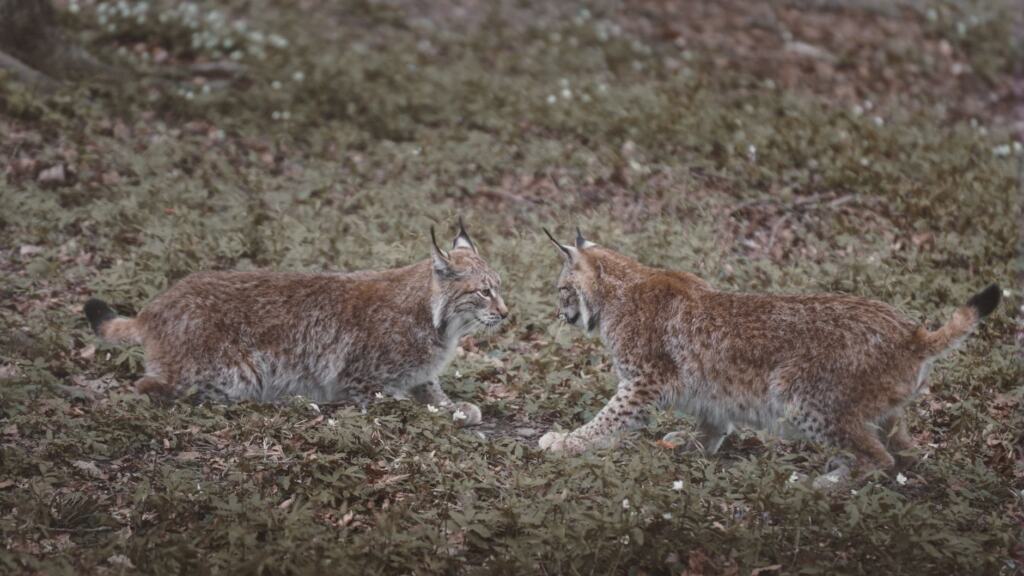
The lynx suits readers interested in cats that favour broken, rocky ground rather than open desert. It is a better fit for a mountain-focused itinerary or reading list than for a flat-plain one. The photograph below is an illustration of the species, not evidence of where it lives.
Its limits matter when planning. Lynx are secretive, so an absence of sightings tells a reader little. Choose the lynx section of a guide for background, and do not build a trip around expecting to see one.
For readers worried about livestock
Predator questions in the Gobi often come from herding rather than wildlife interest. The animals involved are the herder animals of Mongolia, among them goats kept for cashmere and camels kept for milk. Which predator matters depends on the herd, the season and the place, so general advice has to stay conditional.
Grey wolf
The grey wolf is the largest predator on this list and the one most often linked to livestock concerns. It suits readers who want the top of the carnivore ranking. Its limit is that a wolf’s presence in a region is not the same as constant loss for every household, so avoid treating one as a forecast of the other.
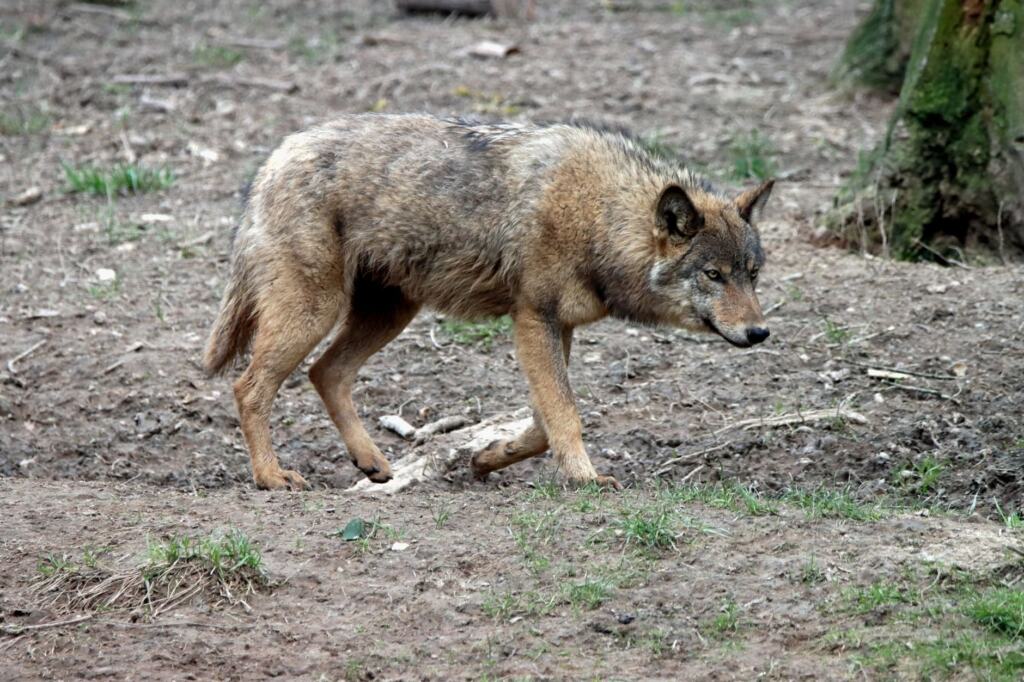
For readers weighing wildlife against herding, the practical question is what each animal is worth to a household. Goats are tied to the cashmere trade, and camels are tied to camel milk in Mongolia. A predator that can reach either animal is a livelihood issue and a conservation issue at once, and the two should not be collapsed into a single verdict.
Herder animals and the dogs that guard them
Herding camps keep dogs alongside people and livestock, and the yard of a ger is often where these animals and people meet. Dogs are a practical part of the picture for anyone reading about predator and livestock interaction, since they sit between wild carnivores and the herd.
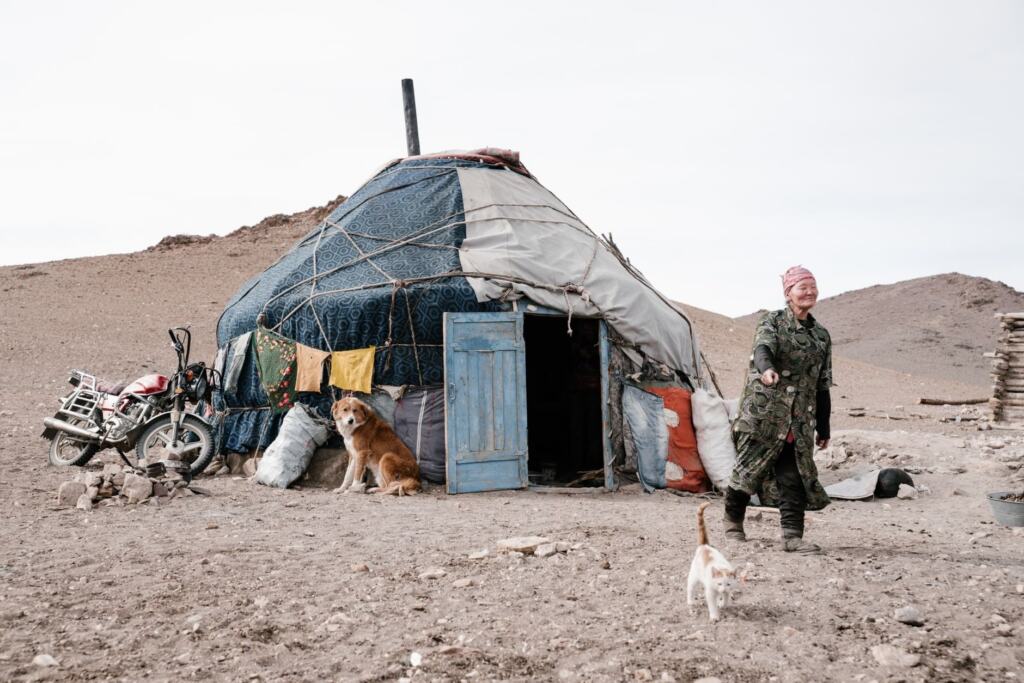
Wild hoofed animals share the same range, and these are covered separately in argali sheep mongolia. Read that page alongside this one when comparing wild and domestic animals as possible prey, since the pressures on each are different.
- Match the predator to the herd. A small fox and a wolf raise very different concerns, so avoid one blanket rule for all predators.
- Separate local reports from general claims. A household account describes one place and season, and a Red List entry describes a species as a whole.
- Prefer current sources. Predator numbers and attitudes change, so older figures should be treated as history rather than a forecast.
For readers looking for field evidence
Tracks are the usual way people notice predators that are rarely seen. They suit readers who want evidence without needing a sighting, and they work best as a prompt for further checking rather than a verdict.
Reading tracks in sand and dust
A print in sand or dust shows that an animal passed, and a clear one can help narrow down a fox, wolf or other carnivore. The image below shows faint impressions, which is typical of what readers find: many marks are too shallow to name.
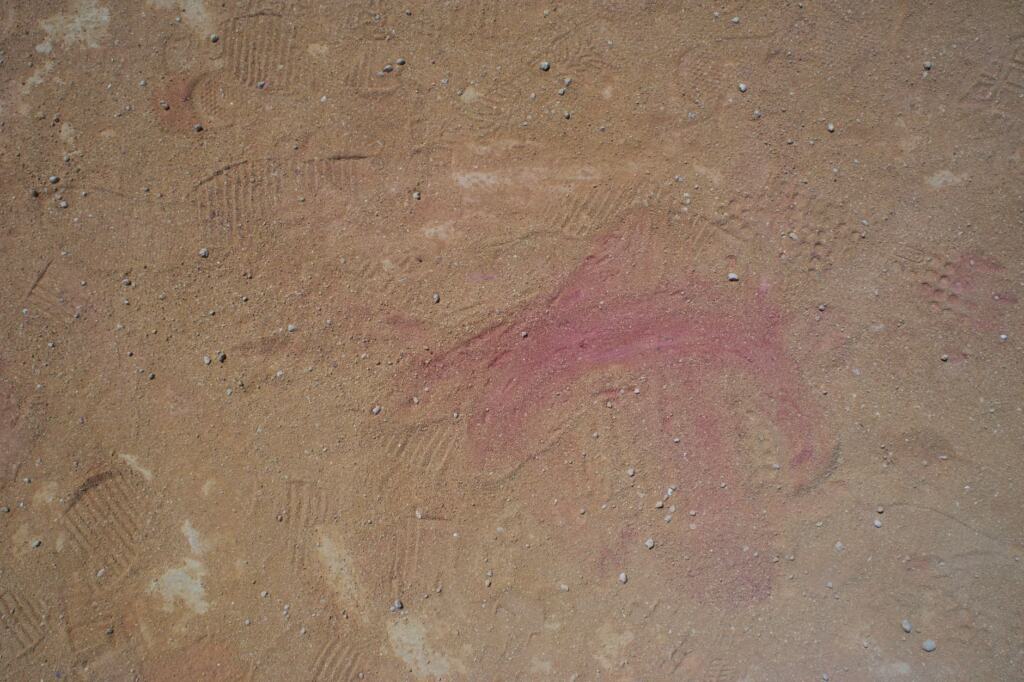
The sensible approach is to treat a single print as one clue. Look for a second sign nearby, compare the track with a regional field guide, and avoid naming a species from one blurred impression. If a track seems tied to livestock loss, local herders and wildlife officials are better judges than a general guide.
How to read IUCN status for each predator
IUCN categories are the quickest shorthand for a species’ conservation standing, but they need careful reading. The Red List uses nine global categories, and Vulnerable, Endangered and Critically Endangered are the three called threatened. Near Threatened is not counted as threatened under IUCN usage.
- Look up each species separately. The corsac fox, manul, Eurasian lynx and grey wolf each have their own entry, and one category cannot be assumed from another.
- Do not read absence of data as safety. Not Evaluated and Data Deficient do not establish that a species is safe.
- Keep global and national status apart. A global Red List category describes the species worldwide, while a Mongolian listing speaks to national conditions.
Compare the category with the assessment year in the entry, since a status reflects the evidence at the time it was written. A predator’s category should shape how cautiously a reader treats claims about its numbers, though it does not by itself settle questions about a particular Gobi area.
Choosing where to begin
Pick the section that matches the question. Readers new to the subject should start with the corsac fox and manul, readers interested in rugged terrain with the lynx, and readers with herding concerns with the wolf and the herder animals discussion. Everyone benefits from checking the current IUCN category before repeating a status.
Frequently asked questions
| Question | Answer |
|---|---|
| How many categories does the IUCN Red List use? | The Red List uses nine global categories, according to Animal Unseen. |
| Which IUCN categories count as threatened? | Vulnerable, Endangered and Critically Endangered are the three categories collectively called threatened. Near Threatened is not counted among them. |
| Does Data Deficient mean a predator is safe? | No. Not Evaluated and Data Deficient do not establish that a species is safe, so they should not be read as good news. |
| When was the IUCN Red List established? | The Red List is described as established in 1964. |