| Milestone | What is recorded | Planning use |
|---|---|---|
| Captive breeding base | 13 founder animals kept the species alive in captivity | Explains why every wild takhi today descends from a small zoo-bred stock |
| Mid-1980s | Captive population grew to over 1,000 | Shows why release became realistic |
| 1992 to 2000 | 84 takhi flown to Mongolia in five biennial transports | Dates the start of the return |
| 1998 | Hustain Nuruu upgraded to National Park status | Marks the legal protection behind the main steppe site |
| 2008 and 2011 | Critically Endangered in 2008, Endangered in 2011 on the IUCN Red List | Shows the species is recovering but still at risk |
| Today | Some 350 wild individuals in Mongolia | Sets realistic expectations for sightings |
The timeline draws on the What Is Missing? account of the takhi and the Przewalski Horse Foundation’s reintroduction history.
Przewalski’s horse Mongolia is known locally as takhi and lives free again after reintroduction. Khustai National Park offers the steppe setting and Great Gobi B the desert one. Choose by landscape, not by expected sightings.
This guide follows the horse through its decline, its rescue and its return, then compares the two sites. It belongs to our wider coverage of gobi desert wildlife.
The 1960s: extinction in the wild
The Przewalski’s horse is a small, stocky wild horse that was last known to survive in the wild in south-western Mongolia and China. In Mongolia it is called takhi, the Mongolian name for the animal, according to What Is Missing?.
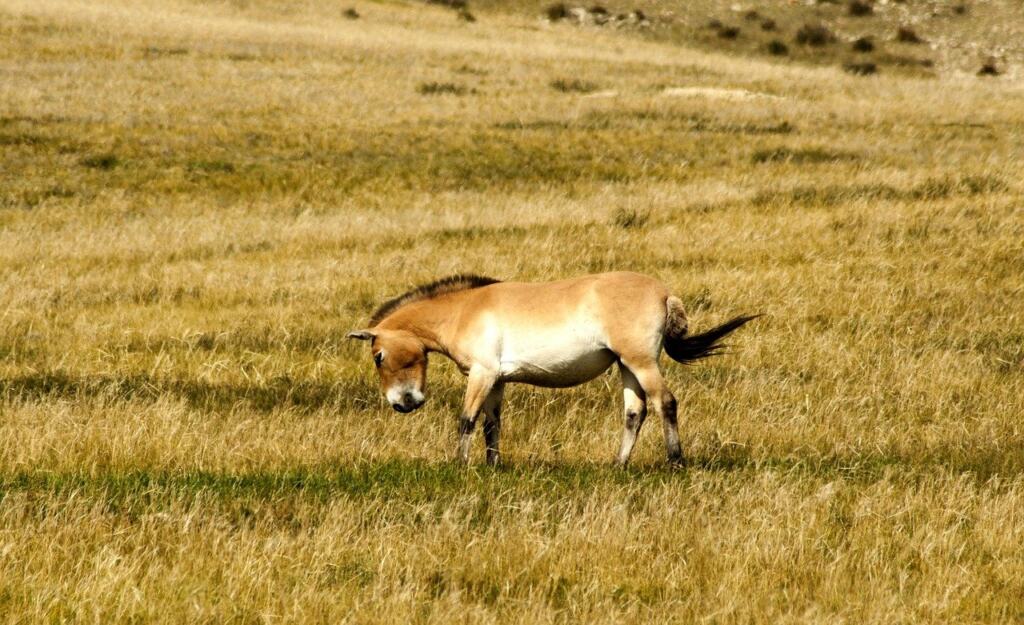
According to Mongolian Ways, takhi went extinct in the wild in the 1960s. A string of harsh winters, drought and hunting by locals drove the loss. That mix of climate stress and human pressure matters for visitors today. The animals now living in Mongolia are returnees, and they depend on protected land, not on a surviving wild remnant.
The species survived only because zoos kept breeding it, which is the next phase of the story.
Captive breeding: from 13 founders to over 1,000 animals
The species survived solely in captivity, with breeding based on 13 founder animals, according to What Is Missing?. Studbook-managed breeding programmes then expanded the captive population to over 1,000 individuals by the mid-1980s.
Dutch conservationists turned that zoo population into a release plan. Mongolian Ways records that in 1977 they established the Foundation for the Preservation and Protection of the Przewalski Horse in Rotterdam. The animals sent to Mongolia came from European zoos.
Because the whole population traces to so few ancestors, conservation managers still treat each new foal as significant. Even so, takhi are the product of a successful captive-breeding rescue rather than an unbroken wild lineage.
1992 to 2000: the return to Mongolia
The first reintroduction arrivals reached Mongolia in 1992. From then until May and June 2000, the Foundation brought 84 takhi to the country, as its own reintroduction history describes. The shipments came in five biennial transports.
The horses were not released at a single spot. Mongolian Ways reports that they were transferred to three breeding centres: Western Mongolia, the southern Gobi Desert and Khustai. Spreading the animals across different landscapes reduced the risk of losing everything at one site, and it is why visitors today can choose between steppe and desert.
At Khustai, a reserve of 50,000 hectares was chosen for the reintroduction. The Mongolian government charged MACNE with everyday management of the park, and Hustain Nuruu was upgraded to National Park status in 1998, per the Foundation.
Khustai or Great Gobi B: comparing the two sites
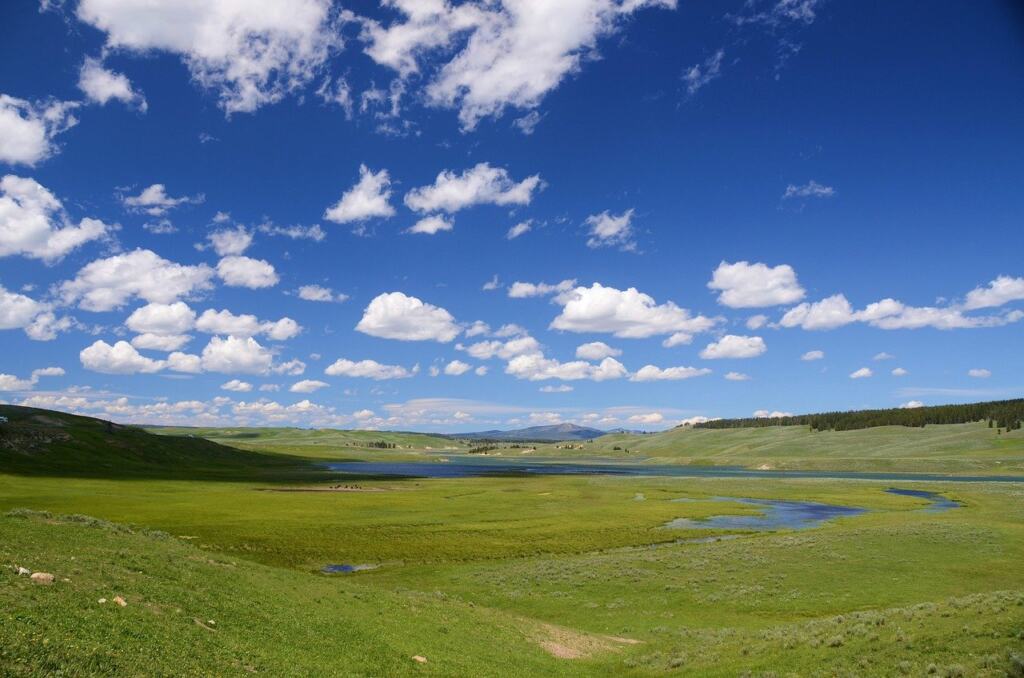
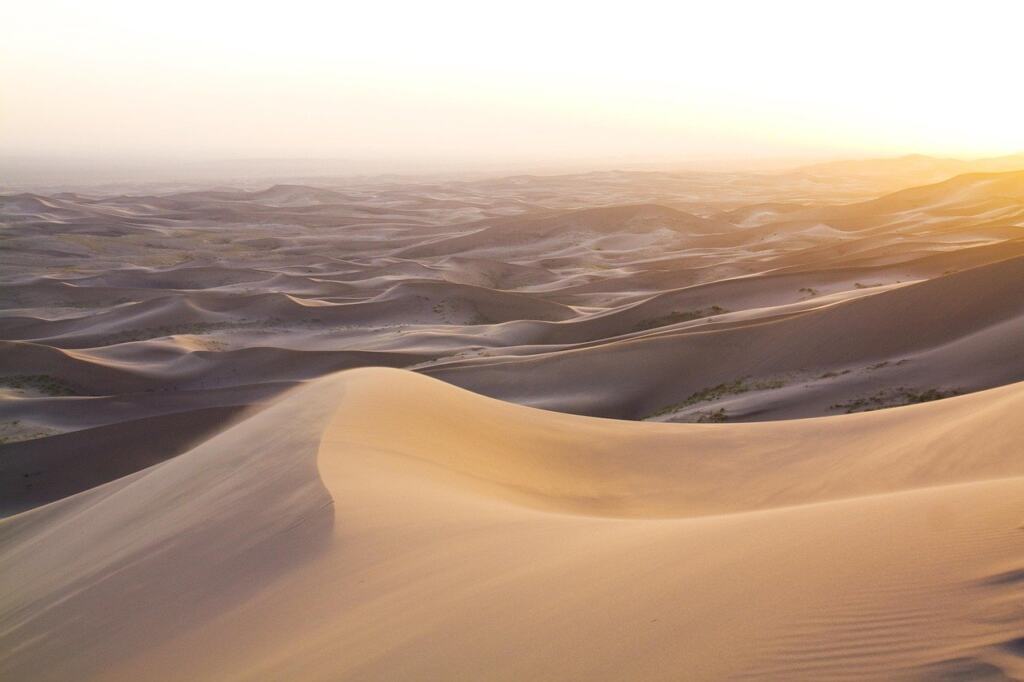
Khustai and Great Gobi B Strictly Protected Area are the two places this guide compares. Khustai is steppe grassland and Gobi B is the desert site. The table sets out what is documented for each.
| Feature | Khustai National Park | Great Gobi B (southern Gobi) | Planning use |
|---|---|---|---|
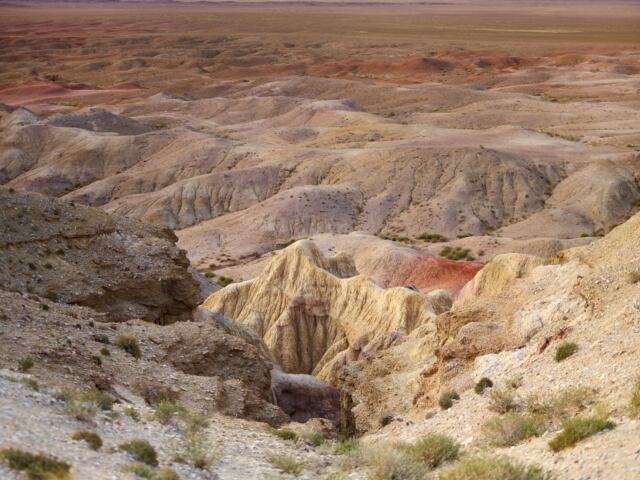
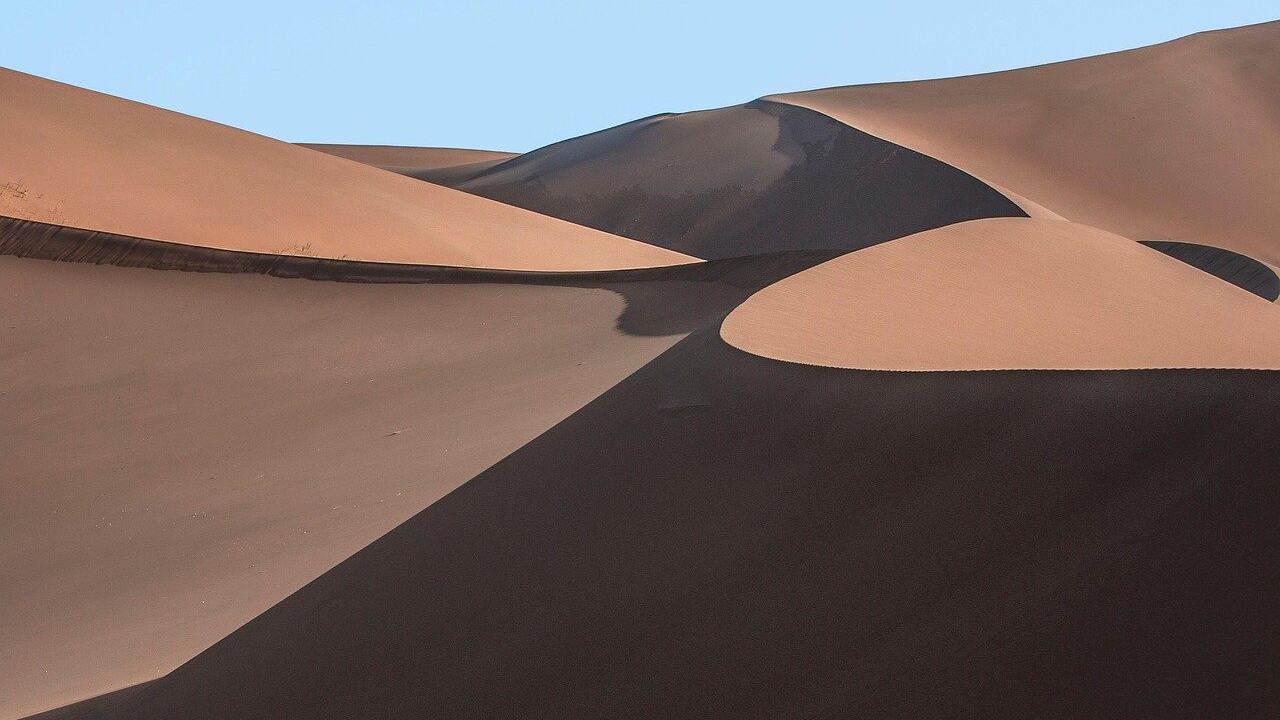
| Landscape | Steppe grassland | Gobi Desert | Pick the setting you want behind the horses |
| Role in reintroduction | Reserve of 50,000 hectares chosen for release; National Park since 1998 | One of three breeding centres alongside Western Mongolia and Khustai | Both are genuine reintroduction sites, not exhibits |
| Population detail | More than 350 takhi about 25 years after the first arrival; target of at least 500 | No separate headcount quoted here | Khustai is the better-documented herd |
| Other wildlife | Mongolian gazelle and argali sheep followed the takhi | Desert setting, suited to a wider Gobi itinerary | Khustai suits a steppe wildlife trip; Gobi B suits a desert one |
The comparison combines the Foundation’s Khustai figures with the breeding-centre overview from Mongolian Ways.
Choose Khustai if you want a documented, protected steppe landscape with other grazing animals around the horses. Choose Great Gobi B if the desert itself is the point of your trip and you are prepared to confirm access and viewing arrangements locally before committing. If the desert is your focus, the saxaul tree guide covers the plant life of that landscape. A different species suits a different trip, such as the snow leopard mongolia guide.
Is the horse truly wild?
Takhi are a distinct wild species, not feral domestic horses. They carry 66 chromosomes, while the domestic horse has 64, according to Mongolian Ways.
The qualification is that today’s herds descend from captive stock. The Foundation describes the Khustai animals as enjoying a life of freedom, living in a protected national park rather than on a farm. So the fair description is a wild species living free again after captive breeding. The founders were few, and the animals now range at liberty in managed reserves.
How many remain and what the IUCN says
The Mongolian population again consists of some 350 wild individuals, according to What Is Missing?. The IUCN Red List moved the species to Critically Endangered in 2008 and to Endangered in 2011.
The national figure of some 350 wild individuals and the Khustai figure of more than 350 takhi are headcounts reported at different times by different bodies, so treat them as indications rather than a precise census. The Foundation’s target for Khustai is 500. An Endangered listing still means real risk, so the horse’s recovery depends on continued protection of its reserves.
Planning a visit
- Pick the landscape first. Use the comparison table to choose between Khustai’s steppe and the southern Gobi desert site.
- Match the site to your route. Khustai suits a steppe-focused trip with other grazing wildlife. A desert itinerary points toward Great Gobi B.
- Confirm access locally. Check access and viewing arrangements with a Mongolian operator or park office before you commit, especially for the desert site.
- Allow flexibility. The horses live free, so treat a sighting as a wild-animal encounter that may not happen on a fixed schedule.
Frequently asked questions
Is takhi a different animal from the Przewalski’s horse?
No. Takhi is simply the Mongolian name for Przewalski’s horse.
Why is it named after Przewalski?
Colonel Nikolay Przewalski gave the species its name in 1878, according to Mongolian Ways.
Who manages Khustai National Park day to day?
The Mongolian government charged MACNE with everyday management, as part of a partnership with the Foundation that began in 1990.